Art Deco
Features

-

Art Deco: René Jules Lalique
René Jules Lalique was an exceptional artist, astute industrialist, and a driving force of the Art Deco style
-

Art Deco: Clarice Cliff
Discover how Clarice Cliff's bold, Art Deco ceramics brought modernity to the kitchen sink
-

Art Deco in the home
From luxury handcrafted writing desks to affordable factory-made tea services, discover Art Deco in the home
-

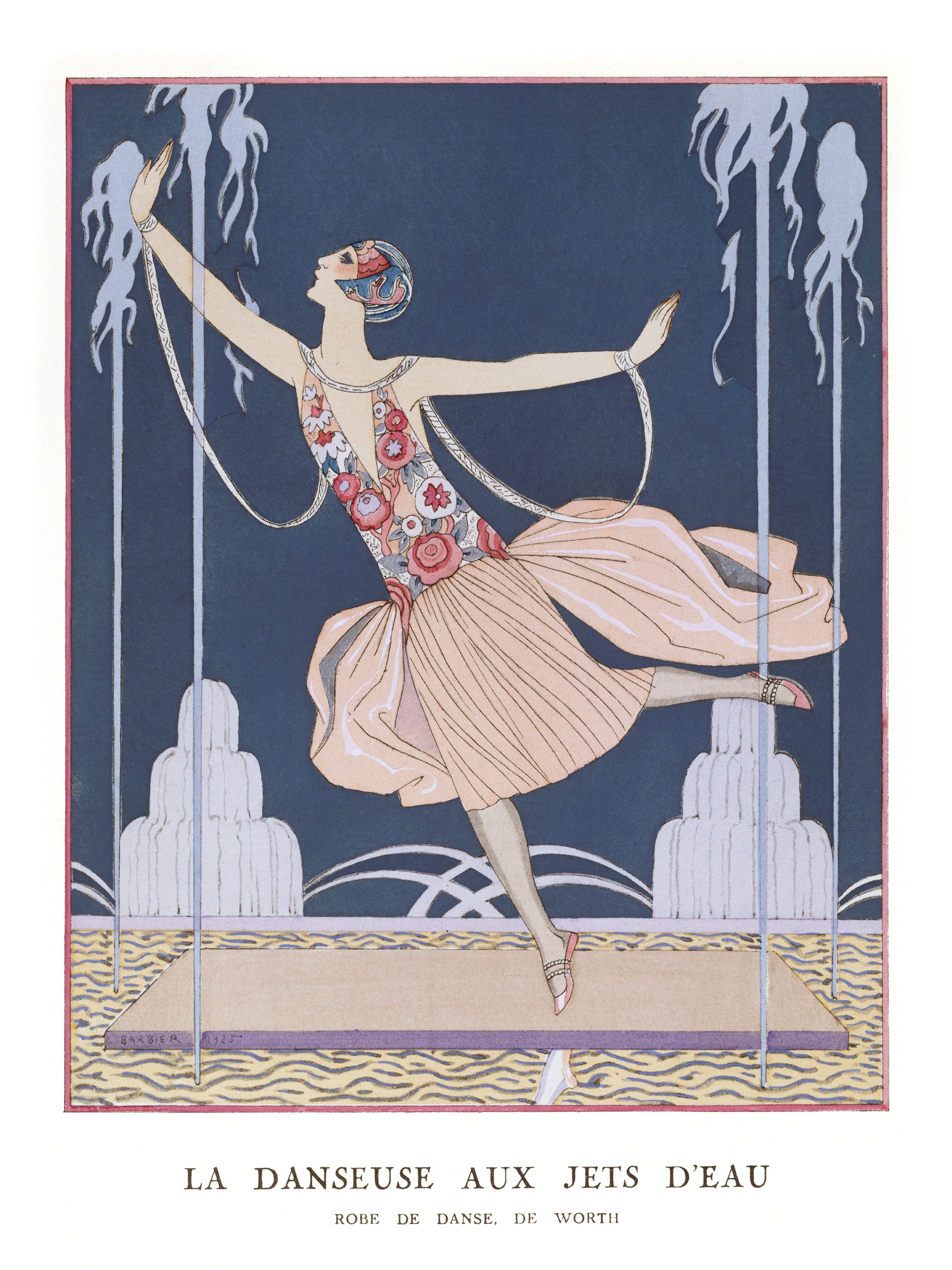
Art Deco fashion
From Jeanne Lanvin's haute couture to the bold geometric jewellery of Raymond Templier, discover the Art Deco aesthetic in the fashions of the 1920s and 1930s
-

Art Deco around the world
The impact of Art Deco was far-reaching, carried on the winds of commerce and capitalism, new modes of communication, media and transport
-

Art Deco's global influences
Art Deco designers drew inspiration from across the globe, referencing archaeological discoveries, historical romanticism and the imagery of ancient cultures
-

Art Deco: where tradition meets modernity
Art Deco's extraordinary blend of tradition and progress is the essence of works by John Skeaping, Eileen Gray and René Lalique
-

Madeleine Vionnet – an introduction
Couturier Madeleine Vionnet changed the shape of women's fashion with her revolutionary 'bias-cutting' technique
-

Art Deco printmakers
Explore some of our evocative Art Deco prints and posters by master printmakers of the period
Collection highlights
-
 French Committee of Exhibitions, medal, by Pierre Turin, 1930 – 35, Paris, FranceV&A South Kensington
 -
 Surfers, dress fabric, manufactured by Calico Printers' Association, 1937, Manchester, EnglandV&A East Storehouse
 -
 (Detail) Furnishing fabric, designed by Gregory Brown, manufactured by William Foxton Ltd, 1922, EnglandV&A East Storehouse
 -
 Panel, designed by Sigmund Pollitzer, made by Pilkington Ltd, 1933 – 38, St. Helens, EnglandV&A South Kensington
 -
 Cigarette box, manufactured by The British Buttner Pipe Co. Ltd, 1930 – 35, Glasgow, ScotlandV&A East Storehouse
 -
 Archers, vase, designed by René Jules Lalique, manufactured by Lalique glassworks, 1921, FranceV&A South Kensington
 -
 Figure group, designed by John Rattenbury Skeaping, manufactured by Josiah Wedgwood and Sons, 1927, Etruria, EnglandV&A South Kensington
 -
 Marseille Porte de l'Afrique du Nord, poster, designed by Roger Broders, 1920 – 32, FranceV&A South Kensington
 -
 Paris, 1925: Exposition Internationale des Arts Décoratifs, poster, designed by Robert Bonfils, 1925, France
 -
 Dressing table, designed by Emile Jacques Ruhlmann, 1919 – 23, Paris, FranceV&A South Kensington
 -
 Clock, B.E. Co, about 1935, China. Museum no. FE.565:1&2-2007. © Victoria and Albert Museum, London
 -
 Door surround, designed by Raymond Hood and Stanley Gordon Jeeves, made by Birmingham Guild of Handicraft, 1928, Birmingham, EnglandYoung V&A
 -
 Desk, designed by Sir Edward Brantwood Maufe, made by W. Rowcliffe, 1925, London, EnglandV&A South Kensington
 -
 (Detail) Frieze panel, designed by Walter Gilbert, made by Bromsgrove Guild of Applied Art, 1933, Birmingham, EnglandV&A South Kensington
 -
 Evening dress, designed by Jeanne Lanvin, 1935, Paris, FranceV&A East Storehouse
 -
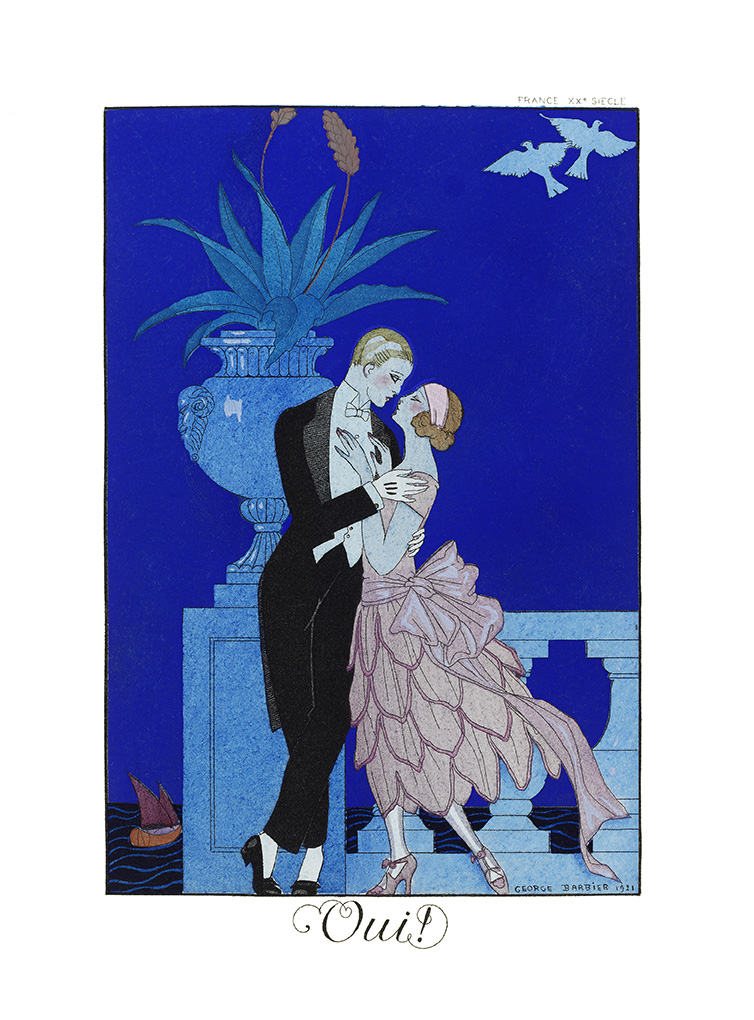
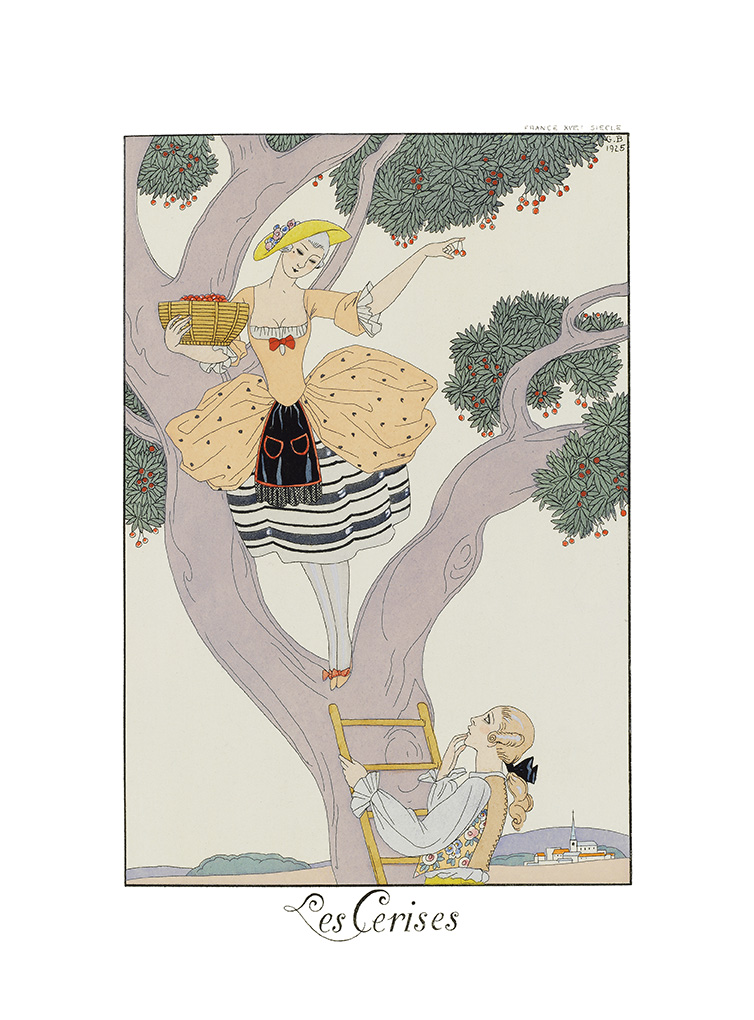
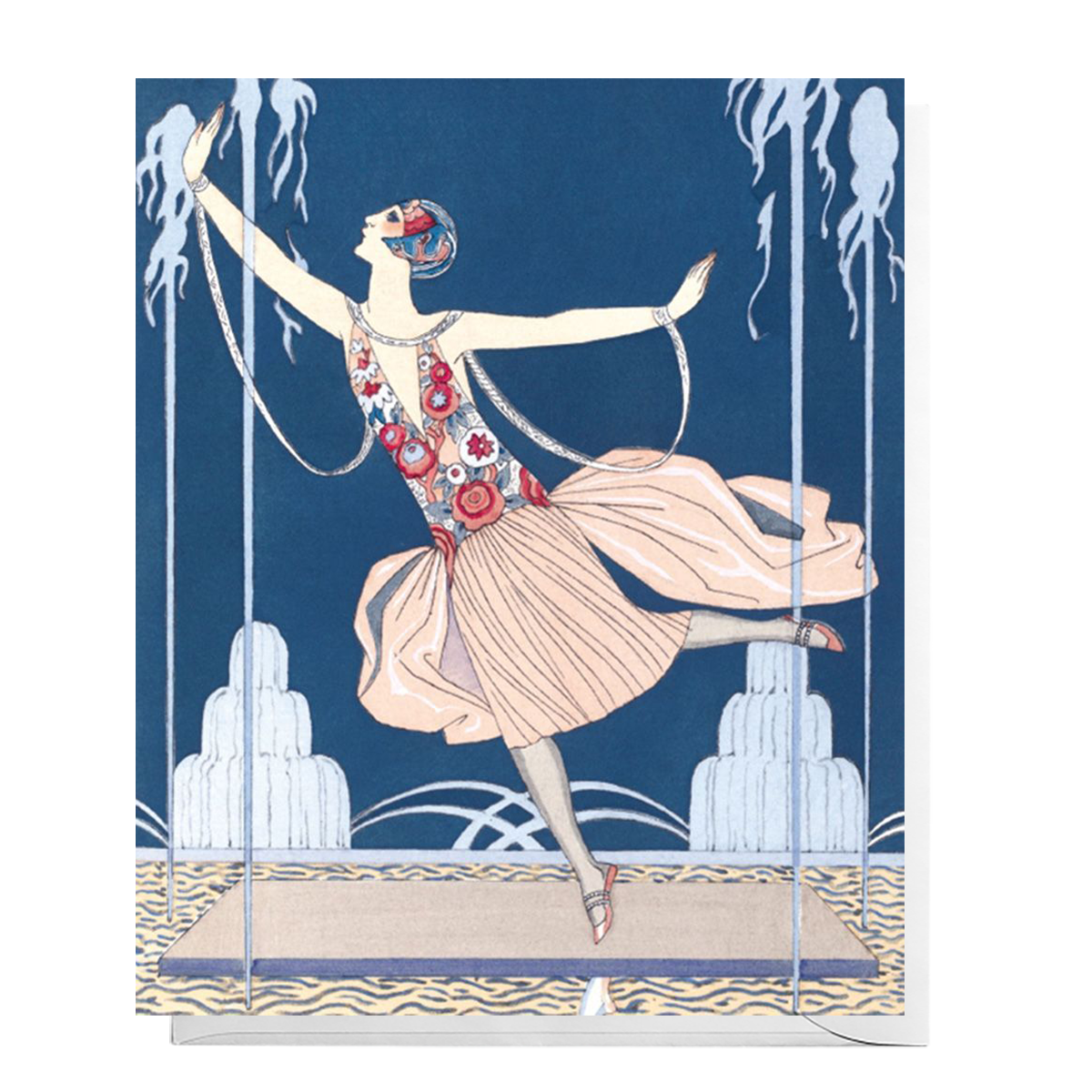
 Falbalas et Fanfreluches. Almanach des modes…, fashion plate, designed by George Barbier, 1924, Paris, FranceV&A South Kensington
 -
 Hat, made by Kilpin Ltd, about 1925, London, EnglandV&A East Storehouse
 -
 Table lamp, designed by Poul Henningsen, made by Louis Poulsen, 1927, Copenhagen, DenmarkV&A South Kensington
 -
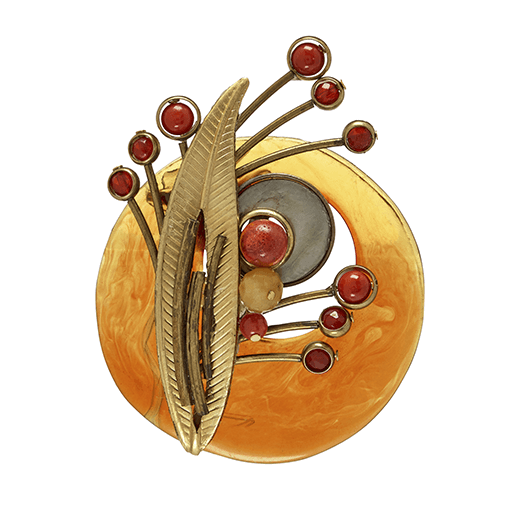
 Brooch, designed by Raymond Templier, about 1930, Paris, FranceV&A South Kensington
 -
 Hair comb, 1923 – 24, FranceV&A East Storehouse
 -
 Vogue, cup and saucer, designed by Eric Slater, manufactured by Shelley Potteries, 1930 – 31, Fenton, EnglandV&A South Kensington
 -
 Wireless, designed by J. K. White, made by E. K. Cole Ltd, 1932, Southend-on-Sea, EnglandV&A East Storehouse
 -
 Josephine Baker, figure, designed by Fritz Lampl, about 1925, made by Bimini Workshops, about 1940s, EnglandV&A South Kensington
 -
 Victoire, radiator mascot, designed by René Jules Lalique, manufactured by Lalique glassworks, about 1925, Wingen-sur-Moder., FranceV&A South Kensington
Join a V&A Academy experience
Explore our curated range of expert-led courses, workshops, and talks, all with the V&A collections at their core.
- Expert led courses
- Practical workshops
- Lectures & talks
- Professional development