
Who we are
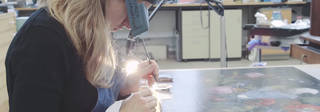
The department includes specialists in the conservation of textiles and dress, ceramics and glass, stained glass, metals, sculpture, furniture and frames, paper, books and paintings. Our team of conservation scientists use traditional techniques and modern methods of analysing the collections, promoting knowledge and understanding of museum objects and their environment. Conservation teams also help the museum to find new and innovative ways to store and display its collections and to establish the safe transit of objects when on loan or touring. This expertise is shared with colleagues around the world through collaborations with other institutions, and by offering student placements in the department.
Tel: +44 (0)20 7942 2000
Email: conweb@vam.ac.uk
Conservation stories
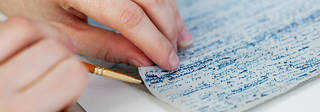
Our engaging film series follows a selection of the most challenging and fascinating conservation projects – from the treatment and redisplay of the delicate costume worn by Julie Andrews in My Fair Lady, to the stretching of a huge Bollywood film hoarding.
Keep up to date with the latest archive finds, day-to-day conservation and collection management stories, news and projects in this dedicated section of the V&A blog.
Jobs and training opportunities
Jobs and training opportunities, when available, are posted on the V&A jobs page:
Caring for your possessions
Want some guidance on how best to look after your objects and artefacts at home? The Institute of Conservation has a wealth of practical online resources written by conservation experts.