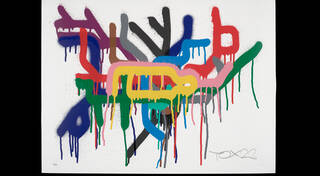
Explore the Collections
Search more than 1.25 million objects
Most searched for
Here are our most searched-for objects and themes
-
 Triptych, by Master of the Louis XII Triptych, about 1498 – 1514, Limoges, FranceV&A South Kensington
 -
 Dish, by Muhammad Ja'far, 1817 – 1818, Tehran, IranV&A South Kensington
 -
 Turban Ornament, about 1800 – 50, Jaipur, IndiaV&A South Kensington
 -
 Box, by Jean Georges Rémond et Cie., 1783 – 1790, SwitzerlandV&A South Kensington
 -
 Beaker, by Pavel Ovchinikov, 1892, Moscow, RussiaV&A South Kensington
 -
 Handbag, by Haruta Yukihito, 2008, JapanV&A South Kensington
 -
 The Mérode Cup, cup and cover, about 1400, FranceV&A South Kensington
 -
 The Habsburg-Rosenberg Cup, 1665, Augsburg, GermanyV&A South Kensington
 -
 Jug, designed by Gerald Benney, made by Alan Evans, 1978, EnglandV&A South Kensington
 -
 Portrait of Hortense Mancini, Duchesse de Mazarin, enamel miniature, by Jean Petitot Sr, about 1675, FranceV&A South Kensington
 -
 Snuff box, 1765 – 1775, Birmingham, EnglandV&A South Kensington
 -
 Vessel, 1736 – 1795, Beijing, ChinaV&A South Kensington
 -
 Success to the British Fisheries, plaque, designed and engraved by Louis Philippe Boitard, 1750 – 1751, Birmingham, EnglandV&A South Kensington
 -
 Fish slice, by Linda Darty, 2004, North Carolina, USYoung V&A
 -
 The Becket Casket, about 1180 – 1190, Limoges, FranceV&A South Kensington
-
 Brooch, designed by Barbara Paganin, 2011, ItalyV&A South Kensington
 -
 Hair ornament, designed by Philippe Wolfers, 1905 – 7, BelgiumV&A South Kensington
 -
 Necklace, designed by Santhi Wongchan, made by Niphon Yodkranpan, 2003, Bangkok, ThailandV&A South Kensington
 -
 Eye miniature, early 19th century, EnglandV&A South Kensington
 -
 Spray ornament, about 1850, EnglandV&A South Kensington
 -
 The Shannongrove Gorget, collar, 800 BC – 700 BC, IrelandV&A South Kensington
-
 Beaker, 1600 – 25, EuropeV&A South Kensington
 -
 Snuffbox, about 1750, GermanyV&A South Kensington
 -
 Micromosaic, made by Giovanni Morelli, 1820, Rome, ItalyV&A South Kensington
 -
 The Capitoline Doves, plaque, by Giacomo Raffaelli, 1801, Rome, ItalyV&A South Kensington
 -
 Enamel miniature on copper of George Washington, by Henry Bone after Gilbert Stuart, 1825, EnglandV&A South Kensington
 -
 (Detail) Ewer, made by Paul de Lamerie, 1742 – 3, London, EnglandV&A South Kensington
 -
 Snuffbox, designed by Jean Guillaume Krüger, 1775 – 80, Berlin, GermanyV&A South Kensington
 -
 Tiara, made by Real Laboratorio and Opificio, about 1808, Naples, ItalyV&A South Kensington
 -
 Cabinet, 17th century, northern EuropeV&A South Kensington
 -
 Cup, made by Samuel Kassborer and Hans Kässborer, about 1600, Ulm, GermanyV&A South Kensington
 -
 Miniature, made by Johann Heinrich Hurter, 1781, EnglandV&A South Kensington
 -
 Snuffbox, made by Moulinie and Bautte & Moynier, 1804 – 9, Geneva, SwitzerlandV&A South Kensington
 -
 Cup, 1480 – 90, Venice, ItalyV&A South Kensington
 -
 Snuffbox, about 1765, Berlin, GermanyV&A South Kensington
 -
 Table, 1861 – 90, Rome, ItalyV&A East Storehouse
-
 Hat, designed by Simone Mirman, about 1955, London, EnglandV&A East Storehouse
 -
 Evening dress, designed by Cristóbal Balenciaga, 1954, Paris, FranceV&A East Storehouse
 -
 Man's suit, designed by Mr Fish, manufactured by Hexter, about 1968, London, EnglandV&A South Kensington
 -
 Pair of shoes, 1550 – 1070 BC, EgyptV&A East Storehouse
 -
 Mantua, 1755 – 60, EnglandV&A East Storehouse
 -
 Plato's Atlantis, dress, designed by Alexander McQueen, 2010, London, EnglandV&A South Kensington
 -
 Man's ensemble, designed by Stella Jean, Spring/Summer 2014, Italy and Burkina Faso. Museum no. T.21:1 to 5-2014.V&A South Kensington
-
 The Real Thing, pectoral cross, by David Poston, 2004, Suffolk, EnglandV&A South Kensington
 -
 Reliquary, head of Saint Januarius, about 1500 – 50, Switzerland or GermanyV&A South Kensington
 -
 Shaffron for a large horse, about 1525, GermanyV&A South Kensington
 -
 Necessaire (watch), by James Cox, about 1770, LondonV&A South Kensington
 -
 Crosier, 1200 – 1300, Limoges, FranceV&A South Kensington
 -
 The Peacock Sconce, by Alexander Fisher, about 1899, EnglandV&A South Kensington
 -
 Union Centrepiece, by Miriam Hanid, 2013, EnglandV&A South Kensington
 -
 Nef, by Esaias zur Linden, 1609 – 29, Nuremberg, GermanyV&A South Kensington
 -
 Gondola prow, 1600 – 1700, Venice, ItalyV&A South Kensington
 -
 'Streamliner', meat slicer, designed by Egmont Arens and Theodore C. Brookhart in 1940, manufactured by Hobart manufacturing Co from 1944, USAV&A South Kensington
 -
 Paper bag (Sugar), by David Bielander, 2017, Munich, GermanyYoung V&A
 -
 Armet, 1520 – 1540, GermanyV&A South Kensington
 -
 Hanukkah lamp, by Eli Gera, 1970 – 80, Tel Aviv-Jaffa, IsraelV&A East Storehouse
 -
 Spoon, about 1550 – 75, GermanyV&A South Kensington
 -
 Armchair, made by Russian Imperial Arms Factory, about 1750, Tula, RussiaV&A South Kensington
Trending
Made in East London
With V&A East Museum opening this month, we're turning our attention to East London's incredible pool of creative talent. From haute couture fashion to print, Arts & Crafts football kits to crochet and knitting, you'll find it all in our collections.

-
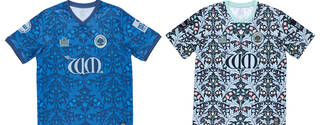 Walthamstow FC x William Morris: a striking football kit collaboration
 -
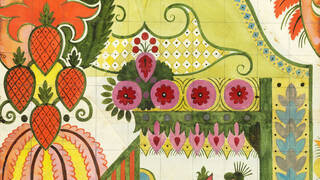 The Leman Album – one of the V&A's greatest textile treasures
Find our more about this incredible source book
-

Robin Hood Gardens
Discover the history of Robin Hood Gardens – a defining example of Brutalist architecture and social housing, as a three-storey section is acquired by the V&A
-

Wilton's Music Hall archive
Discover the chequered history of the world's oldest surviving Victorian music hall
-
 Creating a screenprint with Adam Bridgland
 -

Introducing William Morris
Discover how in his own time Morris – a writer, activist and publisher as well as a designer – was acclaimed for far more than just memorable patterns.
-
 An exclusive pattern by Katie Jones, crochet and knitwear designer – meet, make and do
Meet Katie Jones – technicolour knitwear and crochet designer passionate about her ethical craft
Browse by theme
Discover the people, techniques, eras and places represented in our museums




-

Grinling Gibbons
-

Valérie Belin
-
.jpg)
Benjamin Brecknell Turner
-

Eileen Gray
-

Cristóbal Balenciaga
-

Frederick Hollyer
-

Lee Miller
-

Garry Fabian Miller
-
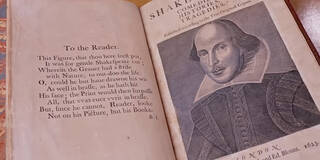
William Shakespeare
-

Beatrix Potter
-

John Constable
-

Diaghilev and the Ballets Russes
-

William De Morgan
-

Antonio Canova
-

Bill Brandt
-
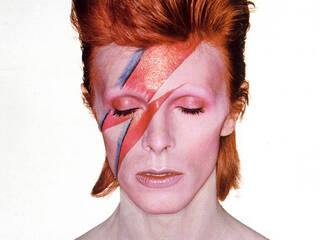
David Bowie
-

Mary Quant
-
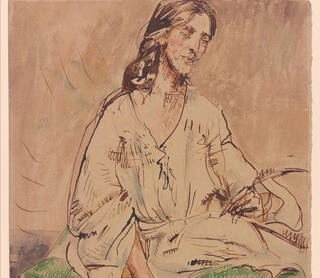
Edna Clarke Hall
-

William Morris
-

Elsa Schiaparelli
-

Linnaeus Tripe
-

Auguste Rodin
-

Paul Strand
-

Lucienne Day
-

Harry Hammond
-

Ilse Bing
-

Wedgwood
-

Thomas Ruff
-

Julia Margaret Cameron
-

Curtis Moffat
-

William Henry Fox Talbot
-

Nicholas Hilliard
-

Horst P. Horst
-

Vivienne Westwood
-

Cecil Beaton
-

Alexander McQueen
-

Wedding dress
-

Costume
-

Tiles
-

Books
-

Jewellery
-

Gender & sexuality
-

Underwear
-

Fashion in Motion
-

Paintings
-

The Stein Collection
-

Furniture
-

Frames
-

Manuscripts
-

Wallpaper
-

Post-war design
-

Embroidery
-

Digital Art & Design
-

Artists and the Book
-
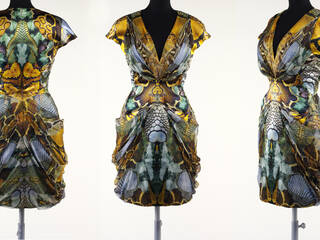
Fashion
-

Hats
-

The V&A Story
-

Music hall
-

The Raphael Cartoons
-

The Glastonbury Festival Archive
-
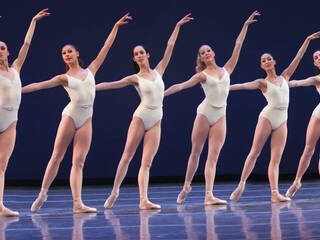
Ballet
-

Rapid Response Collecting
-

Opera
-
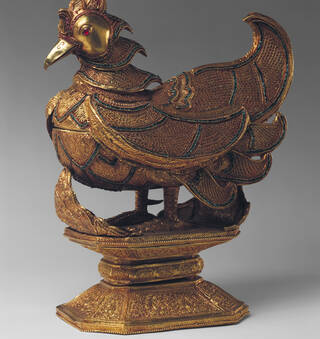
Provenance Research: How have objects come to be in the V&A?
-

Shoes
-

Glasses
-

Photography
-

Theatre & Performance
-

Architecture




In our venues
See the collections in person. For some objects not on display you can view by appointment. Our collections include the National Art Library and the V&A Archives.
-
 Tippoo's Tiger, mechanical organ, about 1793, Mysore, IndiaV&A South Kensington
 -
 (Detail) Trajan's column, plaster cast, by Monsieur Oudry, about 1864, Paris, FranceV&A South Kensington
 -
 The Great Bed of Ware, designed by Hans Vredeman de Vries, 1590 – 1600, Ware, EnglandV&A South Kensington
 -
 3D-printed Extinction Rebellion logotype woodblock
 -
 Progress Pride flag, designed by Daniel Quasar, manufactured by Custom Flag Company Inc., 2020, WestminsterV&A South Kensington
 -
 (Detail) Pérou evening ensemble, designed by Christian Dior, by Bodin Brossin, 1954, Paris, FranceV&A East Storehouse
 -
 Costumes for 'Le Train Bleu', designed by Coco Chanel, 1924V&A South Kensington
-
 'Variations on a Geometric Theme' plate, designed by Eduardo Paolozzi, manufactured by Josiah Wedgwood and sons, about 1970, Barlaston, Stoke-on-Trent, England
 -
 Portland Vase, by Josiah Wedgwood and Sons, 1793, Etruria, Stoke-on-Trent, Staffordshire, EnglandV&A Wedgwood Collection
 -
 Wedgwood family portrait, oil painting, by George Stubbs, 1780, EnglandV&A Wedgwood Collection
 -
 Lessore Vase, painted by Emile Aubert Lessore, made by Josiah Wedgwood and Sons, about 1863, EnglandV&A Wedgwood Collection
 -
 Anti-slavery medallion, by Josiah Wedgwood and sons, about 1787, Etruria, Stoke-on-Trent, EnglandV&A Wedgwood Collection
 -
 Teapot moulded in the shape of a cauliflower, by Josiah Wedgwood and sons, 1765, Stoke-on-Trent, EnglandV&A Wedgwood Collection
 -
 Jasperware trials mounted on a wooden tray, by Josiah Wedgwood and sons, 1773 – 76, Stoke-on-Trent, EnglandV&A Wedgwood Collection
 -
 Teapot, designed by Douglas Baillie Hamilton Cochrane, manufactured by Josiah Wedgwood and Sons, 1906V&A Wedgwood Collection
 -
 Detail of 'Fairyland Lustre' bowl, by Josiah Wedgwood and sons, about 1923, Etruria, Stoke-on-Trent, EnglandV&A Wedgwood Collection
-
 Place (Village), installation, by Rachel Whiteread, about 1995 – 2015, LondonYoung V&A
 -
 Planetarium, installation, by Tristan Blondeau, 2023, Paris, FranceYoung V&A
 -
 The Self-Portrait, print, by Quentin Blake, 2010, UKYoung V&A
 -
 Bettiscombe, dolls' house, about 1870, EnglandYoung V&A
 -
 Pikachu, soft toy, manufactured by Deutshe Toy GMBH, 1995 – 99, Munich, GermanyYoung V&A
 -
 'Hero Arm', Open Bionics, 3D printed bionic arm for a child, Bristol, EnglandYoung V&A
 -
 Amstrad CPC 464 Computer, manufactured by Amstrad, 1984, EnglandYoung V&A
 -
 Devdas, film hoarding, by Balkrishna Arts, 2002, London, EnglandYoung V&A
 -
 Death Star, designed by Bjarke Lykke Madsen, designed by Bas Brederode, manufactured by The LEGO Group, 2011 – 12, DenmarkYoung V&A
-
 Cut, Slash & Pull, ensemble, by Vivienne Westwood, 1990, EnglandV&A East Museum
 -
 Powder bowl, made by Halex Ltd, 1930 – 39, Walthamstow, London, EnglandV&A East Storehouse
 -
 Corset, maker unknown, 1895 – 1900, possibly made in Germany or EnglandV&A East Storehouse
 -
 Hackney Lesbian Strength and Gay Pride 1993, t-shirt, maker unknown, 1993, EnglandV&A East Storehouse
 -
 Silk programme printed for the 'Grand Opening Night' of the Empire Palace Theatre Stratford, London, designer unknown, 1899, London, EnglandV&A East Storehouse
 -
 Tracksuit showing scenes from the 2011 East London riots, by SIBLING, 2012, London, EnglandV&A East Storehouse
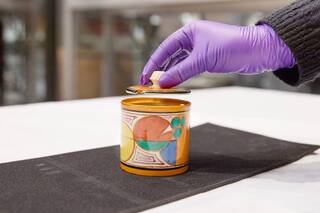


Order an Object
Get closer to the collections nestled within the V&A’s stores.
- Pick any stored objects to see
- Choose when to view them
- Visit your objects for free in the stores