Visit the Photography Centre
The largest space in the UK dedicated to a permanent photography collection
Find out more

"The act of cutting may be violent, yet the process leads to new and reparative ways of existing."
19th-century Iranian photography, a princess, and exile

Find out about the processes and techniques used to create the photographs in our collection
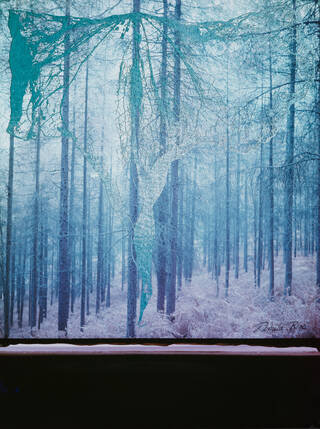
Exploring the experimental, and spiritually attuned photographic practice of quietly radical artist, Pamela Bone
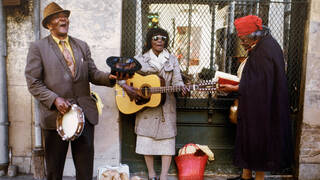
What all these photographers had in common was a desire to understand the American South – its people, its places, its histories, and possible futures

Take a meditative journey into the woods

Staying Power aims to raise awareness of the contribution of black Britons to British culture and society, as well as to the art of photography

Take a spectacular journey through the history of nature photography
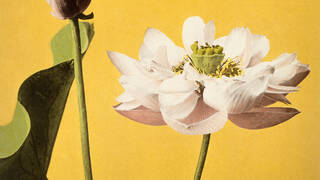
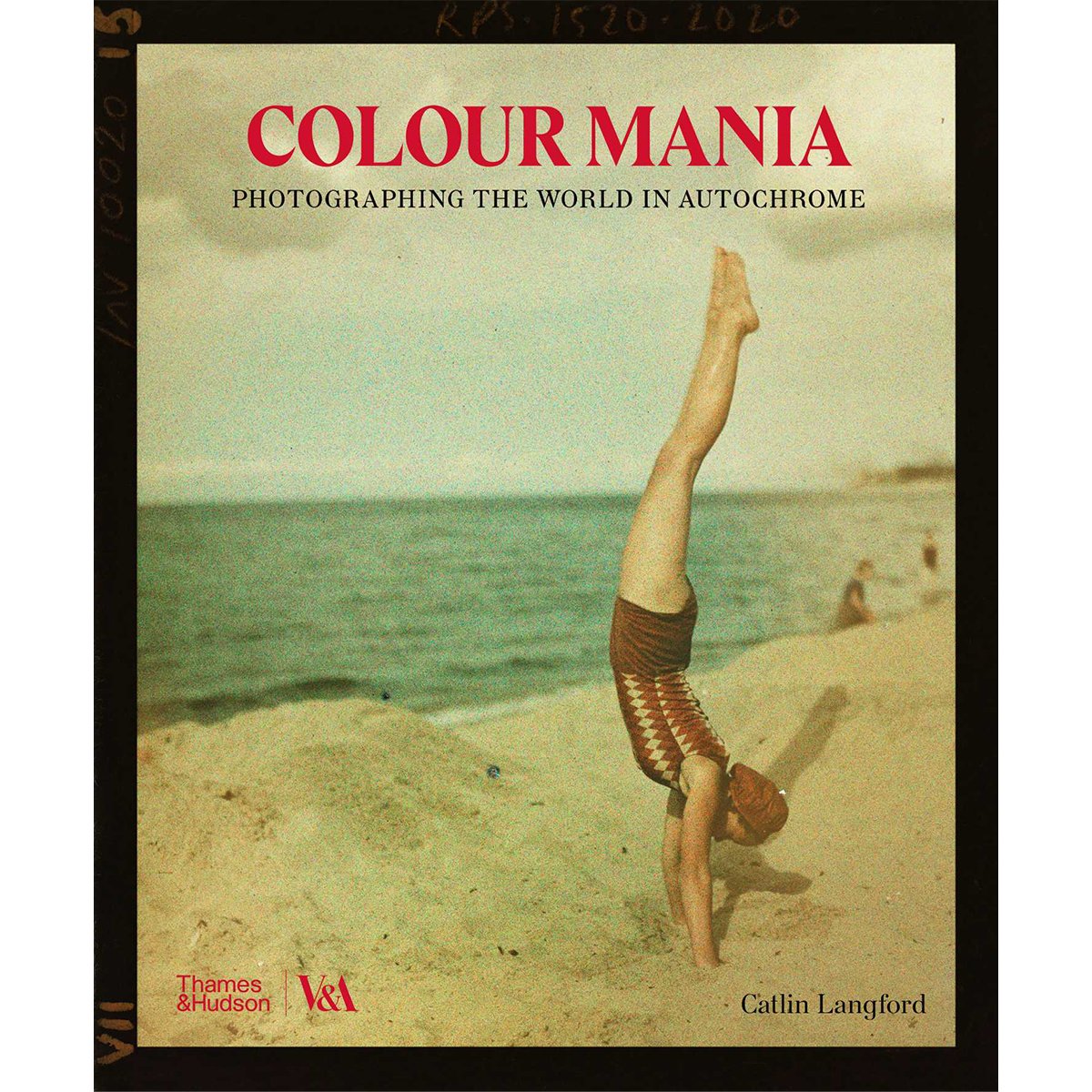
Explore our vast and varied collection of colour photographs

Find out about the Victorian obsession with seances, spiritualism and capturing ghosts

Maud Sulter's powerful photographic portraits celebrate the cultural achievements of Black British women

Watch and listen as we demonstrate how it would have been used
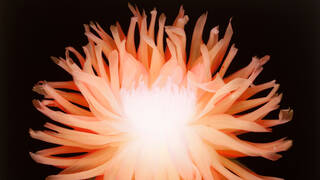
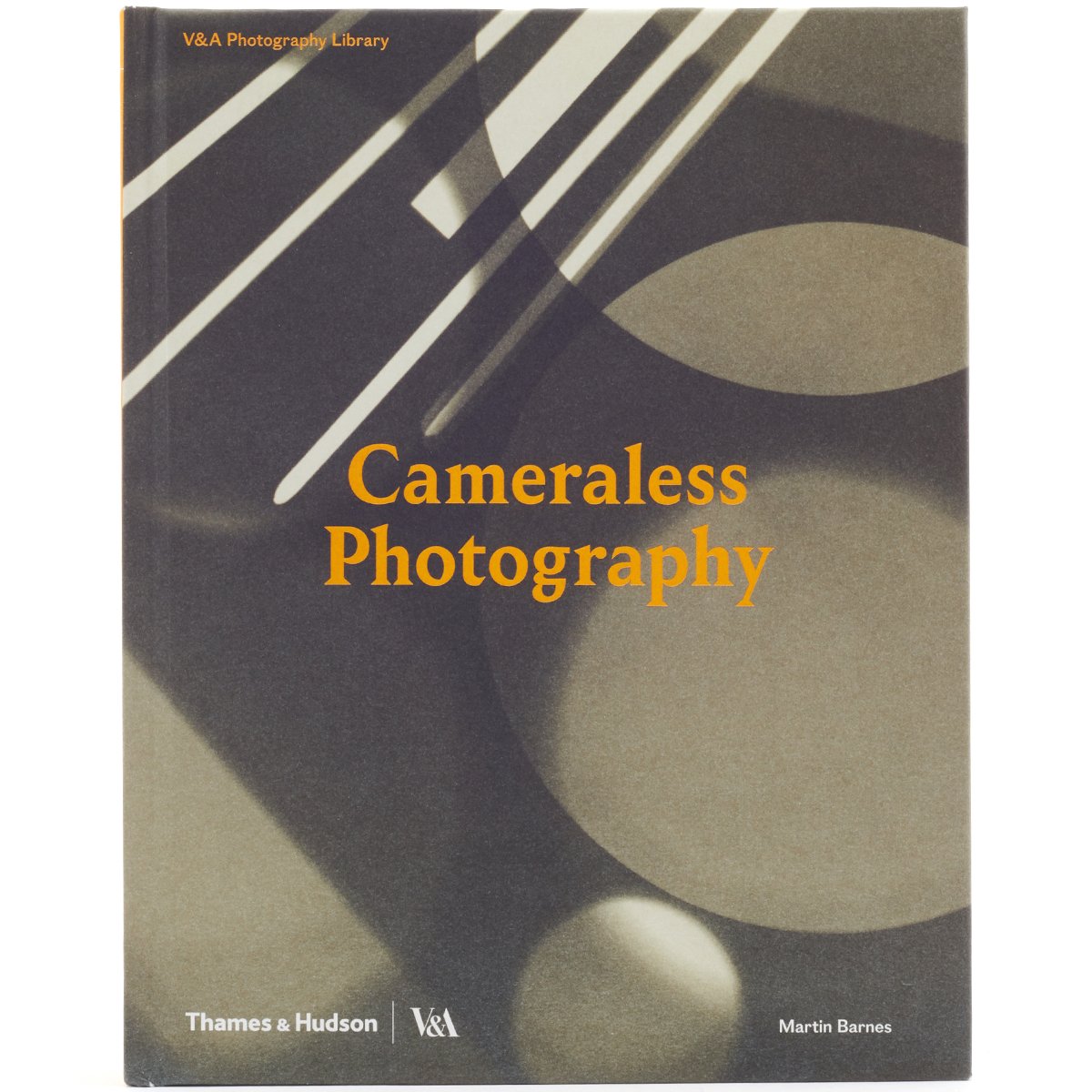
Discover this experimental, radical and often revelatory form of vision
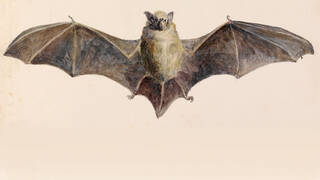
Discover, if you dare, how Count Dracula haunts the V&A's collections
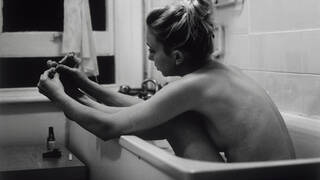
'Off Pointe' by Mary McCartney captures intimate moments of Royal Ballet dancers behind-the-scenes

Explore two important portraits separated by three centuries
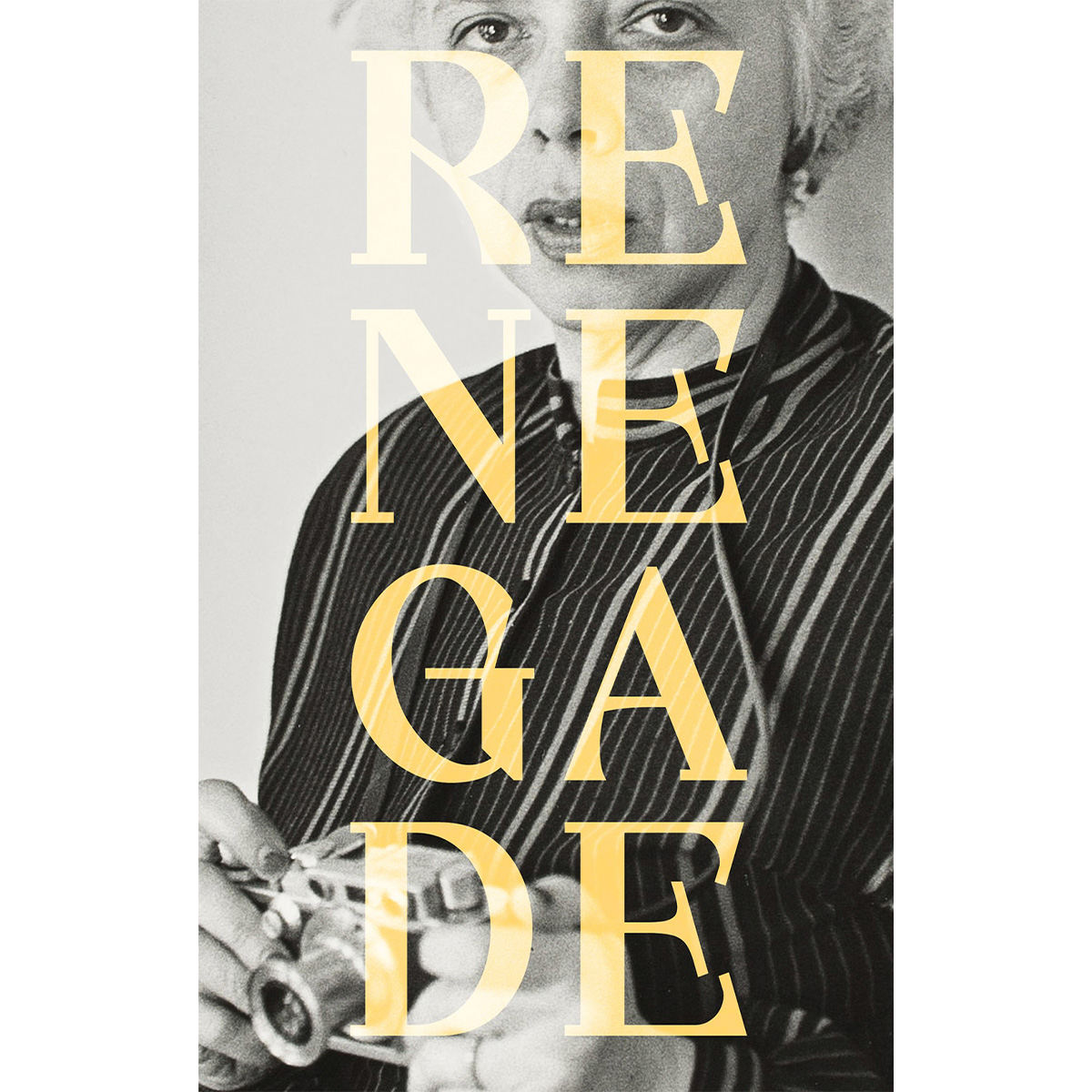
"Photography fascinated me, first as a toy, then as a passion, then as an obsession."
From the fight for suffrage in the 19th century to today’s intersectional campaigns for gender justice
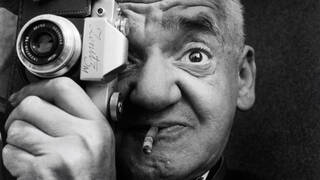
Turning the focus on the camera with 10 highlights from the Camera Exposed display

A political scandal, a chair, and a photograph. Discover the making of an iconic image.
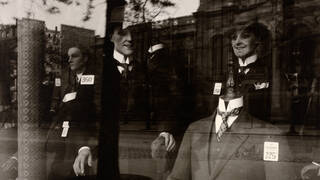
Discover strange shapes, floating body parts and bizarre landscapes...
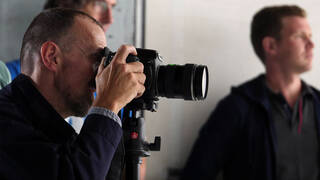
We joined Tim Walker on some shoots for his latest project...

Discover a prolific yet enigmatic early photographer

A photographic series rejecting the cult of perfection
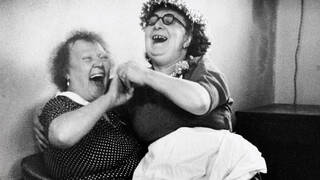
A pioneering photographer who captured the every-day lives of British women
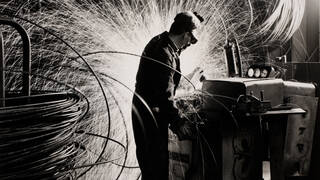
Meet Britain's premier industrial photographer
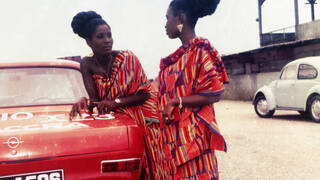
Meet the pioneering portrait photographer James Barnor
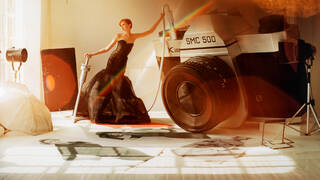
Discover the key trends in fashion photography over the last 100 years

Photographing masculinities: gender, identity and the gaze
Look through the lens of female and non-binary photographers in our collection

Clicking the shutter on Paneth's plate camera: ASMR
Experience the camera like photographer Friedrich Paneth would have done
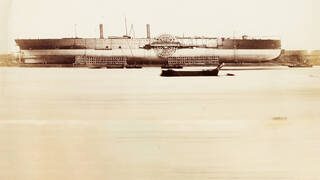
Discover more about the ill-fated 'Great Eastern' steamship

Find out about the personal stories and unique fashion histories from individuals across the continent

Listen in as we set it up

In an era of smartphone cameras we can all take photographs, but what makes an image 'great'?
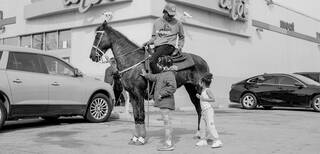
Discover the stories behind Rahim Fortune's photography series 'Hardtack'

"I love painters, I love artwork, I collect paintings, but for me nothing speaks the truth more like a photograph."

Take a journey through some of our quirkier nature images

Discover one of the earliest, and greatest, British amateur photographers

Meet photographic pioneer William Henry Fox Talbot, famous for inventing the groundbreaking 'calotype' photographic process

Martin Barnes, senior curator of photographs at the V&A, discusses the significance of Paul Strand's work

Garry Fabian Miller: working methods
Garry Fabian Miller discusses the concepts behind his camera-less photography from his studio in Dartmoor

Discover the many faces of Lee Miller – an incredible photographer, surrealist artist and war correspondent

Frederick Hollyer – Life and Work
Find out more about photographer Fredrick Hollyer who captured members of the Victorian artistic elite

Thomas Ruff: working methods
Meet photographic artist Thomas Ruff at his incredible studio in Düsseldorf

Bill Brandt – an introduction
Find out about the development of Bill Brandt's artistic vision

The Harry Hammond photographic collection
The founding father of music photography

Introducing Julia Margaret Cameron, one of the most celebrated women in the history of photography

Curtis Moffat captured the 'bright young things' of the roaring twenties in stunning photographic portraits

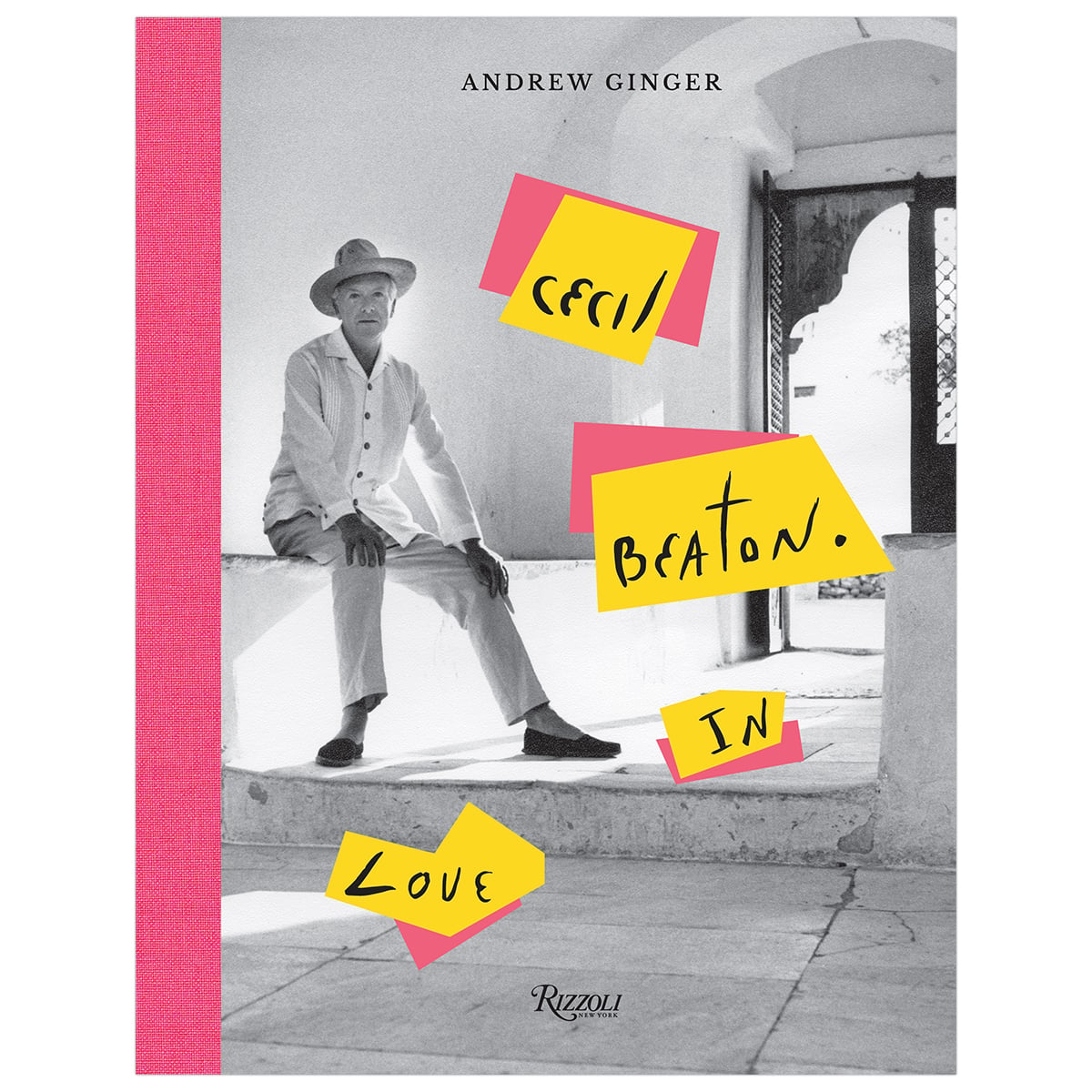
A photographer of fashion, society, and the British Royal Family, Cecil Beaton was also a set and costume designer and fashion expert

The idealised figures and spot-lit style of Horst's images shaped the way fashion was presented in the 20th century

Find out more about the pioneering 19th-century British photographer

Valérie Belin: working methods
How does Valérie Belin create her superimposed images and where does she find her inspiration?

Ilse Bing – life and work
Find out about photographer Ilse Bing's life and career during the formative interwar years – from Frankfurt, to Paris to New York

The power of photography to create a "greatness and fullness of life"

Photographing Frida Kahlo
Research Assistant Ana Baeza Ruiz explores why photography, not painting, was Kahlo's first means of self-expression

What If? Stephen Tayo
Discover more about Stephen Tayo's photography series What If?

X-raying the Fashion collection
Find out how we're shedding new light on our Fashion collections through the illuminating mode of X-ray

Photographing Glastonbury Festival
Interviews with the five photographers who have captured Glastonbury through every era
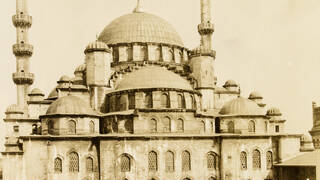
Creswell was among the first to use photography in the Middle East as an essential part of recording historic sites and buildings

Revealing hidden structures through x-rays
Discover the internal structures of a hat, stays, and a hood - three historic objects from the exhibition, Fashioned from Nature

Discover Naomi Hobson's photographic series 'A Warrior without a Weapon' – striking portraits featuring men and boys with their hair and faces decorated with flowers.
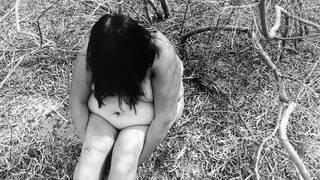
Powerful and provocative – one of the most important artists of her generation


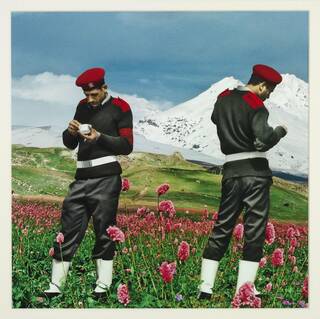


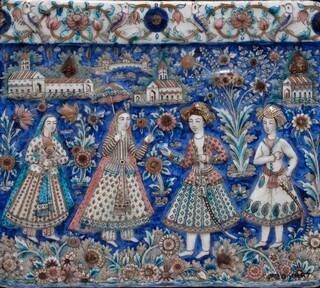
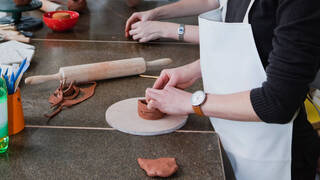
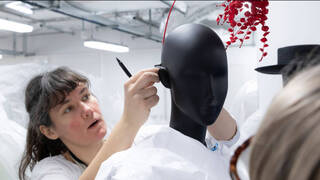
Explore our curated range of expert-led courses, workshops, and talks, all with the V&A collections at their core.
The largest space in the UK dedicated to a permanent photography collection
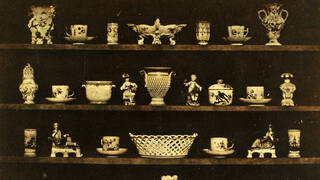
One of the most significant collections of photography in the world