Japan
Features

-
What is lacquer (urushi) and where does it come from?
Watch as urushi Artist Kenji Honma harvests lacquer by hand
-
 Fame and fashion: sumō wrestling in Japanese woodblock prints
Prints documenting an exciting period in the long history of Japan’s national sport
-

The lunar zodiac
Discover the lunar zodiac animals in art and design from our East Asian collections
-

'Anima' – food waste tableware by Kosuke Araki
Beautiful vessels crafted from food waste and traditional Japanese lacquer
-
 Samurai: Japanese arms & armour
Discover the origins, weaponry and armour of the fiercesome Japanese warrior class
-

Dealing and dealers: the East Asia collection
-

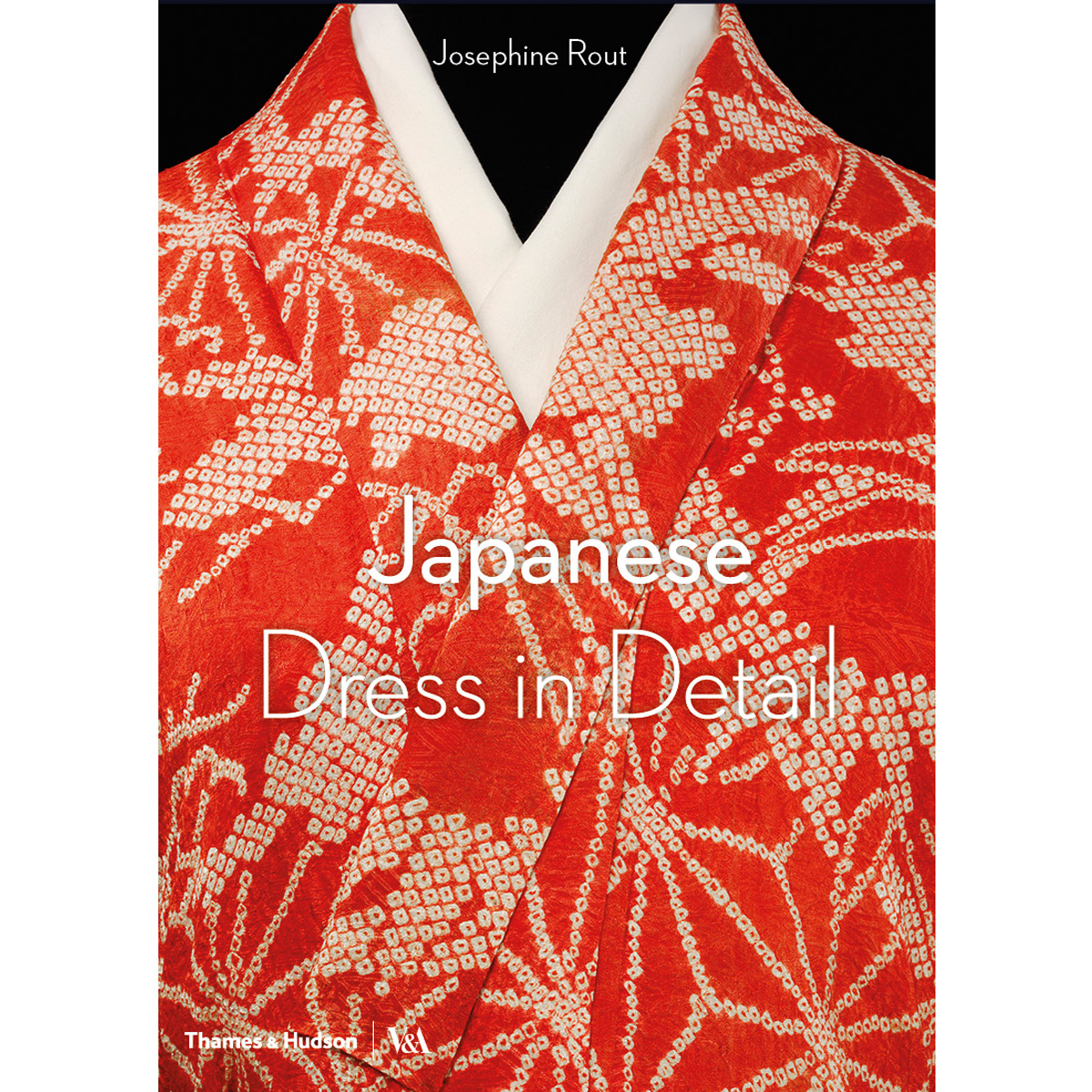
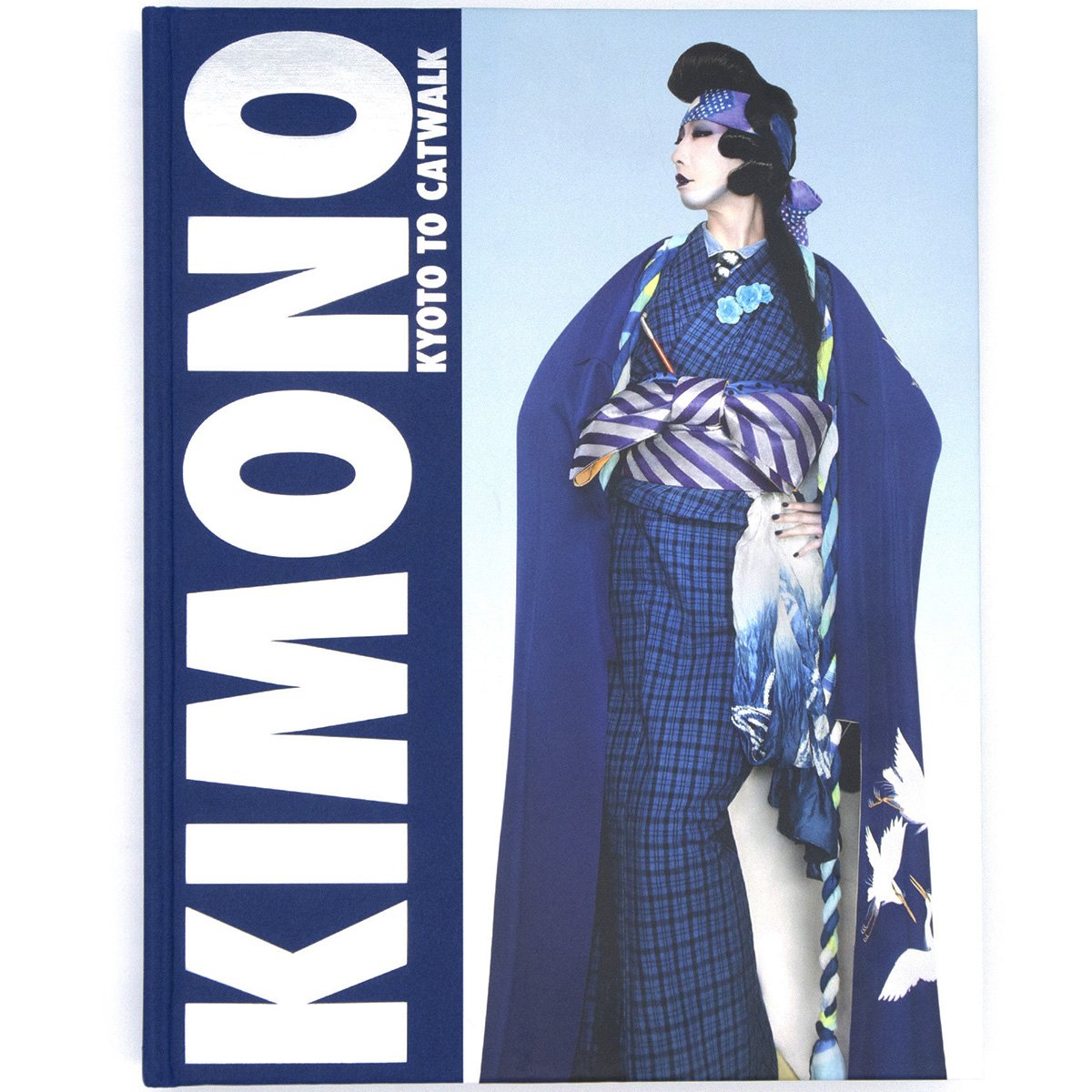
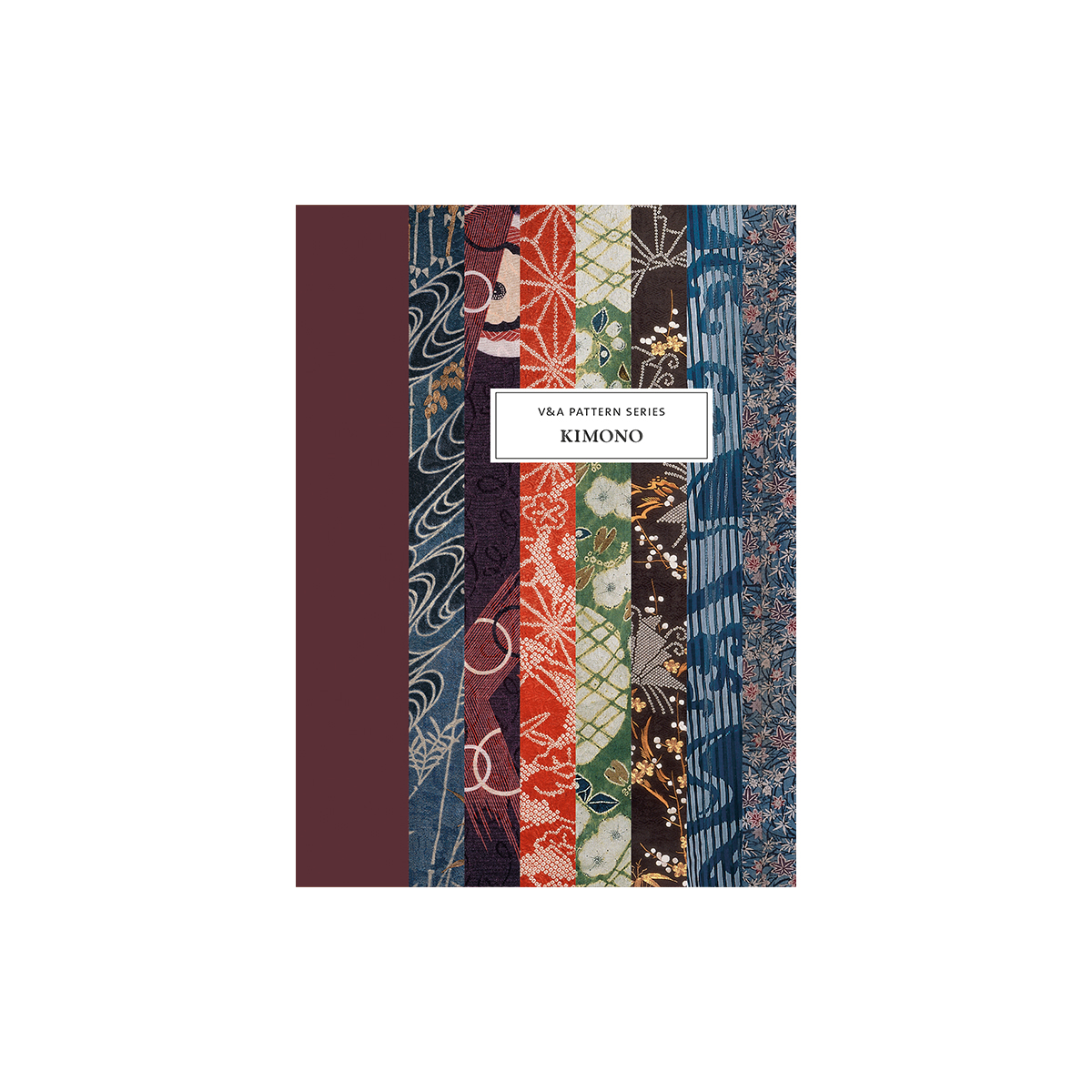
Kimono
Discover the rich symbolism in traditional Japanese dress
-

Lolita fashion: Japanese street style
Sweet, punk or gothic?
-

The conservation of the figure of a samurai in full armour
Find out how this imposing yet delicate model of a samurai was restored to its full splendour by an expert team of V&A conservators and curators
-

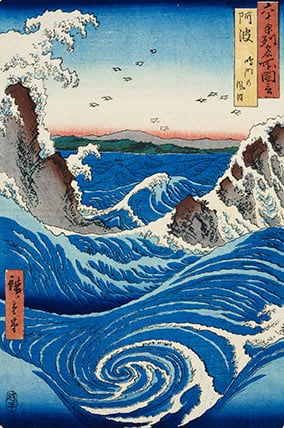
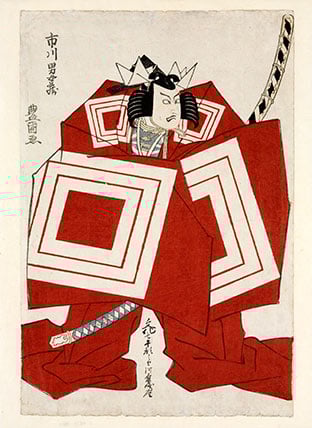
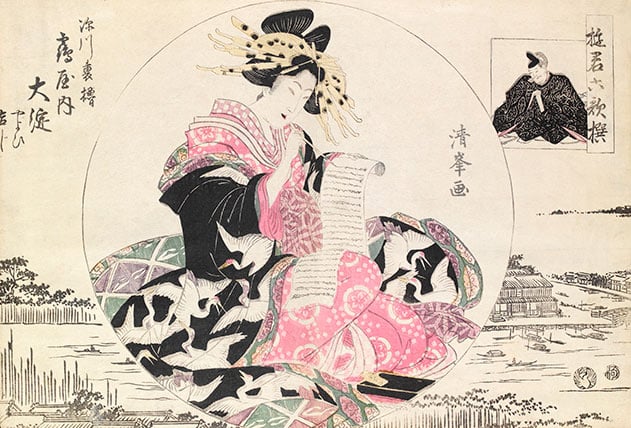
Japanese woodblock prints (ukiyo-e)
Known as 'ukiyo-e', these hugely popular woodblock prints depict everyday life in Japan during the Edo period
-

Make your own: Japanese 'Boro' bag
Follow our step-by-step guide to create your own Japanese style 'boro' bag
-

Conservation of a Japanese palanquin
Follow V&A Conservators as they treat an elaborately decorated Japanese palanquin in our collection
-

Japan's encounter with Europe, 1573 – 1853
The first Europeans to arrive in Japan did so by accident rather than design
-

Kimono for a courtesan?
Explore the theatrical motif on this highly decorative outer kimono
-

Styling the kimono: Akira Times
Meet Akira Times, a contemporary kimono image maker in a panda hat
-

Kimono inspired by the 'street': Jotaro Saito
Discover how kimono designer, Jotaro Saito, blends 'street' inspired patterns with traditional techniques
-

How was it made? Japanese hikihaku obi
See the traditional technique of weaving with metallic thread
-

Yohji Yamamoto: Poet of Black
Hear from enigmatic fashion designer Yohji Yamamoto as he talks about his career and design values
-

How was it made? Tsuba
See how a Japanese sword guard is made
-

In search of forgotten colours – Sachio Yoshioka and the art of natural dyeing
Step inside the dye workshop
-

Deconstructing samurai armour: ASMR
Removing the helmet and untying intricate knots – watch as the 18th century piece is dismantled
-
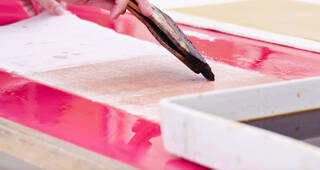 Dyeing Japanese handmade paper: ASMR
Watch an expert at work
-
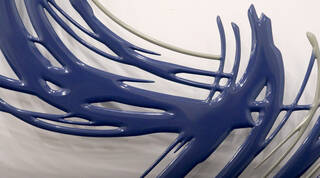
Mine Tanigawa’s meticulously crafted Japanese urushi lacquer sculptures
Watch Japanese artist Mine Tanigawa create delicate sculptures using urushi (lacquer), a natural tree sap with a history dating back over 7,000 years
Collection highlights
-
 The Mazarin Chest, about 1640, JapanV&A South Kensington
 -
 Inro, netsuke and ojime, about 1850 – 1900, Japan
 -
 Suit of armour in Haramaki style, about 1850, JapanV&A South Kensington
 -
 Netsuke, by Rakueisai, about 1850 – 1900, JapanV&A South Kensington
 -
 (Back) Kimono, 1860 – 1880, JapanV&A South Kensington
 -
 The Great Wave, woodblock print, by Katsushika Hokusai, about 1831, Japan
 -
 Invitation dress, designed by Kumiko Uehara and Baby the Stars Shine Bright (BSSB), 21st century, JapanV&A South Kensington
 -
 Covered Vessel no. 7, sculpture, by Kenji Gomi, 2012, Toki, JapanV&A South Kensington
 -
 AUN II, basket, by Tanabe Shochiku, 2014, Sakai, JapanV&A South Kensington
 -
 JVC Videosphere, television, manufactured by JVC Ltd, 1970, JapanV&A South Kensington
 -
 Ryo-O, mask, 1450 – 1550, JapanV&A South Kensington
 -
 OO-IX, sculpture, by Shigeki Hayashi, 2013, Toki, JapanYoung V&A