Explore the Collections
Search more than 1.3 million objects
Most searched for
Here are our most searched-for objects and themes
-
 YouTube watch page, dated from 8 December 2006, reconstruction of the oldest capture available of the first-ever YouTube video, 'Me at the zoo' uploaded on 23 April, 2005, YouTube, 2006, United StatesV&A South Kensington
 -
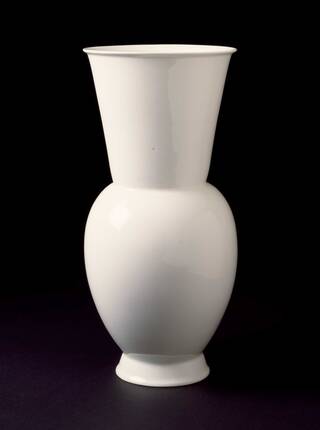 Vase, by Marguerite Friedlander-Wildenhain, about 1929, Berlin, GermanyV&A South Kensington
 -
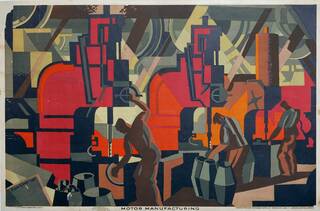 'Empire Buying Makes Busy Factories: Motor Manufacturing', poster, designed by Clive Gardiner, issued by the Empire Marketing Board, 1928, BritainV&A South Kensington
 -
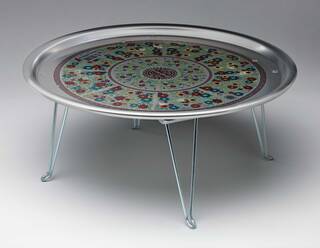 Table, designed by Samyoung Aluminium, 2019, South KoreaV&A South Kensington
 -
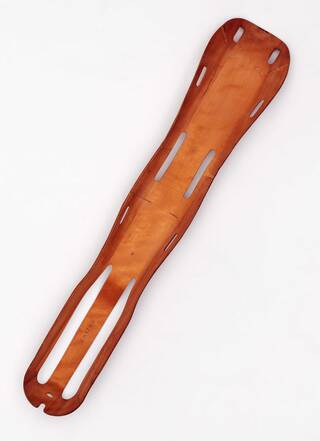 Leg splint, designed by Charles and Ray Eames, manufactured by Evans Products Company, 1941 – 42, California, United States, moulded plywoodV&A South Kensington
 -
 JVC Videosphere, television, manufactured by JVC Ltd, 1970, JapanV&A South Kensington
 -
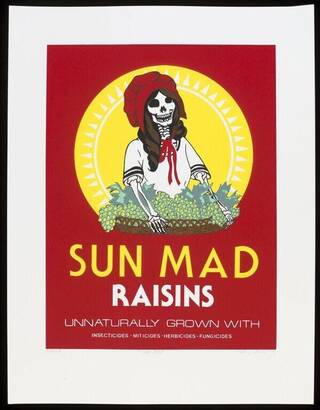 'Sun Mad Raisins', poster, Ester Hernandez, 1982, United StatesV&A South Kensington
 -
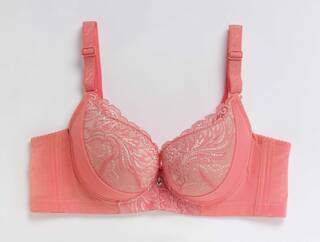 Metal-free, plastic underwired bra, 2013, ChinaV&A South Kensington
 -
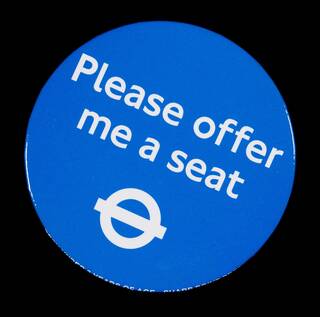 "Please offer me a seat", badge with its accompanying card and information pamphlet, designed by Transport for London (TfL), 2017, London, EnglandV&A South Kensington
 -
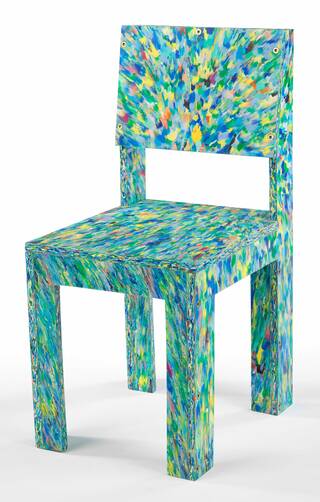 'RCP2 Chair', children's chair, designed by Jane Atfield (1992), manufactured by Made of Waste (1996), recycled high density polyethylene board and furniture screwsV&A South Kensington
 -
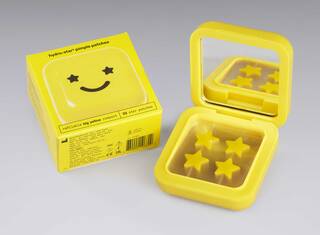 Starface ‘Big Yellow’ compact with Hydrocolloid pimple patches (Hydro-Stars), manufactured by Starface World, 2025, ChinaV&A South Kensington
 -
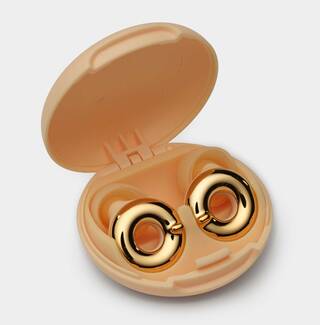 Loop Switch 2, earplugs, made by Loop, designed 2024, BelgiumV&A South Kensington
 -
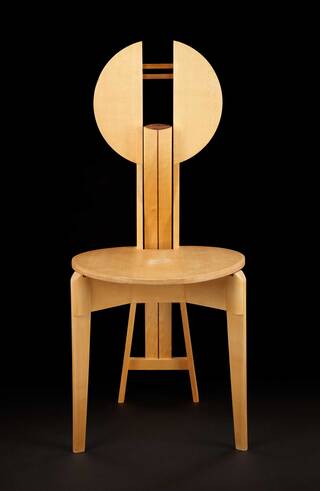 'Akuaba', chair, designed by Huren Marsh, 1985, London, EnglandV&A South Kensington
-
 Hat, designed by Simone Mirman, about 1955, London, EnglandV&A East Storehouse
 -
 Evening dress, designed by Cristóbal Balenciaga, 1954, Paris, FranceV&A East Storehouse
 -
 Man's suit, designed by Mr Fish, manufactured by Hexter, about 1968, London, EnglandV&A South Kensington
 -
 Pair of shoes, 1550 – 1070 BC, EgyptV&A East Storehouse
 -
 Mantua, 1755 – 60, EnglandV&A East Storehouse
 -
 Plato's Atlantis, dress, designed by Alexander McQueen, 2010, London, EnglandV&A South Kensington
 -
 Man's ensemble, designed by Stella Jean, Spring/Summer 2014, Italy and Burkina Faso. Museum no. T.21:1 to 5-2014.V&A South Kensington
-
 Oil & Water Do Not Mix, poster, screen print with oil, designed by Anthony Burrill, made for Happiness Brussels, 2010, UKV&A South Kensington
 -
 Printed playing cards, woodcut with stencil, by Gilles Savouré, 1490 – 1500, Lyons, FranceV&A South Kensington
 -
 The Last Supper, from the Large Passion series, print, woodcut on paper, by Albrecht Dürer, 1510, Nuremberg, GermanyV&A South Kensington
 -
 Jack Sheppard! poster, woodcut and letterpress on paper, printed by S.G. Fairbrother and Son, 1839, London, EnglandV&A East Storehouse
 -
 Würzburg Missal (Missale Herbipolense) manuscript, printed by Georg Reyser, about 1484, Würzburg, GermanyV&A South Kensington
 -
 Cyber Dada Manifesto, photocopy, by Troy Innocent and Dale Nason, 1990, Melbourne, AustraliaV&A South Kensington
 -
 (Detail) The Iolanthe wallpaper, woodblock print, designed by Charles Voysey, manufactured by Essex & Co., about 1897, EnglandV&A South Kensington
 -
 The Great Wave, woodblock print, by Katsushika Hokusai, about 1831, Japan
 -
 Elektronischer Einstein, lithographic print, Herbert W Franke, 1972, GermanyV&A South Kensington
 -
 The Royall Oake of Brittayne, engraving, 1649, EnglandV&A South Kensington
 -
 Marilyn Monroe, screenprint, by Andy Warhol, printed by Aetna Silkscreen Products Inc./ Du-Art Displays, published by Factory Additions, 1967, New York, USV&A South Kensington
 -
 Seaside Excursions: Southend, poster, lithograph, designed by Frederick Charles Herrick, printed by Baynard Press, 1925, EnglandV&A South Kensington
 -
 The Three Trees, etching, by Rembrandt van Rijn, 1643, the NetherlandsV&A South Kensington
 -
 Mister Tambourine Man, poster, screen print, designed by Martin Sharp, 1967, UKV&A South Kensington
-
 'Self Evident', C-type print, by Ingrid Pollard, 1995, printed 2013, Brighton, EnglandV&A South Kensington
 -
 'The Garden II', chromogenic print, by Siân Davey, 2021V&A South Kensington
 -
 Lace, salted paper print, by William Henry Fox Talbot, early 1840s, BritainV&A South Kensington
 -
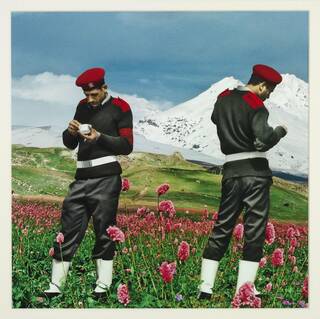 'The Break', Nermine Hammam, inkjet print, 2011V&A East Storehouse
 -
 'Disconnected', inkjet print, by Marvel Harris, 2018, the NetherlandsV&A South Kensington
 -
 'The Angel at the Tomb', photograph, by Julia Margaret Cameron, 1870, Isle of Wight, EnglandV&A South Kensington
 -
 'View of the Raphael Cartoons Galleries at the South Kensington Museum', albumen print, by Isabel Agnes Cowper, about 1873V&A South Kensington
 -
 'Lily Cole and Giant Camera', inkjet print, by Tim Walker, 2004. Museum no. E.1140-2008V&A South Kensington
 -
 'Boys smoking, Portland Road, April 15 1956', gelatin silver print, by Roger Mayne, 1956, London, EnglandV&A South Kensington
 -
 'Tree Peony' from Some Japanese Flowers Vol. I, collotype with lithographic overprinting in colour, by Kazumasa Ogawa, 1894, JapanV&A South Kensington
 -
 'Columbia and Western #3', from the series 'Westward, the Course of Empire', by Mark Ruwedel, 1999V&A South Kensington
 -
 'The Earring', photograph, by Madame Yevonde, about 1936, UK
Trending
Protest

-
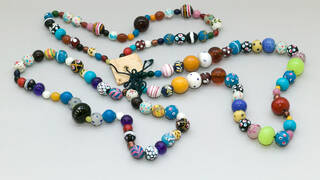 From culture to currency: glass beads and the transatlantic slave trade
Objects of resistance, through which enslaved Africans and African Americans asserted their own identities, culture, and communities
-

Protest music: the curated playlist
Five music artists, four bands and one music journalist nominate their favourite protest songs
-
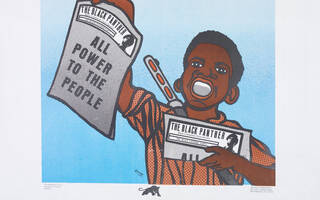 The Poster: Politics, Protest & Propaganda
 -

The Pussyhat
Find out how a knitted pink hat became a global symbol of female solidarity
-
 The Wedgwood anti-slavery medallion
Discover more about Wedgwood's anti-slavery medallion – a forerunner of the protest badge
-

'I Still Believe in Our City' public art campaign
Discover how a public art campaign exemplifies voicing dissent through a bold celebration
Browse by theme
Discover the people, techniques, eras and places represented in our museums




-
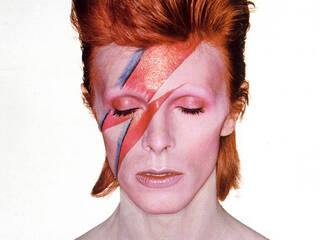
David Bowie
-

William De Morgan
-

Antonio Canova
-

Nicholas Hilliard
-
.jpg)
Benjamin Brecknell Turner
-

William Morris
-
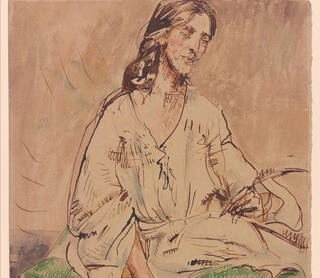
Edna Clarke Hall
-

Harry Hammond
-

Vivienne Westwood
-

Auguste Rodin
-

Grinling Gibbons
-

Curtis Moffat
-

Lucienne Day
-

Cristóbal Balenciaga
-

Valérie Belin
-

Lee Miller
-

Linnaeus Tripe
-

Julia Margaret Cameron
-

John Constable
-

Bill Brandt
-

Beatrix Potter
-
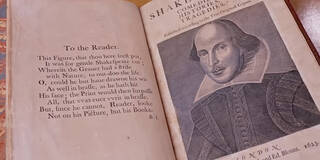
William Shakespeare
-

Elsa Schiaparelli
-

Ilse Bing
-

Eileen Gray
-

Alexander McQueen
-

Mary Quant
-

William Henry Fox Talbot
-

Cecil Beaton
-

Wedgwood
-

Diaghilev and the Ballets Russes
-

Paul Strand
-

Frederick Hollyer
-

Thomas Ruff
-

Garry Fabian Miller
-

Horst P. Horst
-
Ballet
-

Underwear
-

Wedding dress
-

Artists and the Book
-

Frames
-
Provenance Research: How have objects come to be in the V&A?
-

Glasses
-

The Glastonbury Festival Archive
-

Embroidery
-

Rapid Response Collecting
-
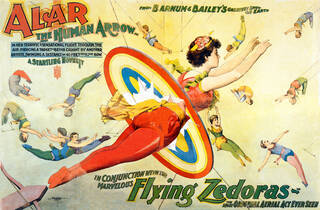
Circus
-

Jewellery
-
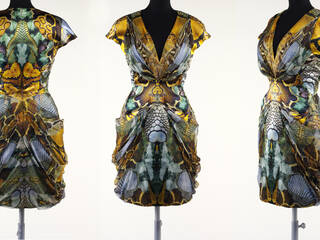
Fashion
-

Shoes
-

Digital Art & Design
-

Architecture
-

Furniture
-

Photography
-

Wallpaper
-

Hats
-

Gender & sexuality
-

Tiles
-

Fashion in Motion
-

Music hall
-

Costume
-

Paintings
-

Theatre & Performance
-

The Stein Collection
-

The Raphael Cartoons
-

The V&A Story
-

Manuscripts
-

Opera
-

Books
-

Post-war design





In our venues
See the collections in person. For some objects not on display you can view by appointment. Our collections include the National Art Library and the V&A Archives.
-
 Tippoo's Tiger, mechanical organ, about 1793, Mysore, IndiaV&A South Kensington
 -
 (Detail) Trajan's column, plaster cast, by Monsieur Oudry, about 1864, Paris, FranceV&A South Kensington
 -
 The Great Bed of Ware, designed by Hans Vredeman de Vries, 1590 – 1600, Ware, EnglandV&A South Kensington
 -
 3D-printed Extinction Rebellion logotype woodblockV&A East Museum
 -
 Progress Pride flag, designed by Daniel Quasar, manufactured by Custom Flag Company Inc., 2020, WestminsterV&A South Kensington
 -
 (Detail) Pérou evening ensemble, designed by Christian Dior, by Bodin Brossin, 1954, Paris, FranceV&A East Storehouse
 -
 Costumes for 'Le Train Bleu', designed by Coco Chanel, 1924V&A South Kensington
-
 'Variations on a Geometric Theme' plate, designed by Eduardo Paolozzi, manufactured by Josiah Wedgwood and sons, about 1970, Barlaston, Stoke-on-Trent, England
 -
 Portland Vase, by Josiah Wedgwood and Sons, 1793, Etruria, Stoke-on-Trent, Staffordshire, EnglandV&A Wedgwood Collection
 -
 Wedgwood family portrait, oil painting, by George Stubbs, 1780, EnglandV&A Wedgwood Collection
 -
 Lessore Vase, painted by Emile Aubert Lessore, made by Josiah Wedgwood and Sons, about 1863, EnglandV&A Wedgwood Collection
 -
 Anti-slavery medallion, by Josiah Wedgwood and sons, about 1787, Etruria, Stoke-on-Trent, EnglandV&A Wedgwood Collection
 -
 Teapot moulded in the shape of a cauliflower, by Josiah Wedgwood and sons, 1765, Stoke-on-Trent, EnglandV&A Wedgwood Collection
 -
 Jasperware trials mounted on a wooden tray, by Josiah Wedgwood and sons, 1773 – 76, Stoke-on-Trent, EnglandV&A Wedgwood Collection
 -
 Teapot, designed by Douglas Baillie Hamilton Cochrane, manufactured by Josiah Wedgwood and Sons, 1906V&A Wedgwood Collection
 -
 Detail of 'Fairyland Lustre' bowl, by Josiah Wedgwood and sons, about 1923, Etruria, Stoke-on-Trent, EnglandV&A Wedgwood Collection
-
 Place (Village), installation, by Rachel Whiteread, about 1995 – 2015, LondonYoung V&A
 -
 Planetarium, installation, by Tristan Blondeau, 2023, Paris, FranceYoung V&A
 -
 The Self-Portrait, print, by Quentin Blake, 2010, UKYoung V&A
 -
 Bettiscombe, dolls' house, about 1870, EnglandYoung V&A
 -
 Pikachu, soft toy, manufactured by Deutshe Toy GMBH, 1995 – 99, Munich, GermanyYoung V&A
 -
 'Hero Arm', Open Bionics, 3D printed bionic arm for a child, Bristol, EnglandYoung V&A
 -
 Amstrad CPC 464 Computer, manufactured by Amstrad, 1984, EnglandYoung V&A
 -
 Devdas, film hoarding, by Balkrishna Arts, 2002, London, EnglandYoung V&A
 -
 Death Star, designed by Bjarke Lykke Madsen, designed by Bas Brederode, manufactured by The LEGO Group, 2011 – 12, DenmarkYoung V&A
-
 Cut, Slash & Pull, ensemble, by Vivienne Westwood, 1990, EnglandV&A East Museum
 -
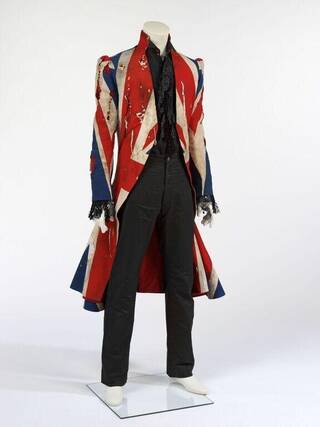 Costume, designed by Alexander McQueen, designed by Bowie, David, 1996, Great BritainV&A East Storehouse
 -
 Powder bowl, made by Halex Ltd, 1930 – 39, Walthamstow, London, EnglandV&A East Storehouse
 -
 Hackney Lesbian Strength and Gay Pride 1993, t-shirt, maker unknown, 1993, EnglandV&A East Storehouse
 -
 Tracksuit showing scenes from the 2011 East London riots, by SIBLING, 2012, London, EnglandV&A East Storehouse
 -
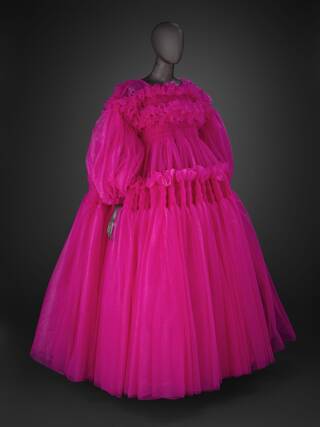 Daria dress, by Molly Goddard, 2019, LondonV&A South Kensington
 -
 Reunion VI: Underneath the Surface, terracotta sculpture, by Bisila Noha, 2022, London, EnglandV&A East Museum
 -
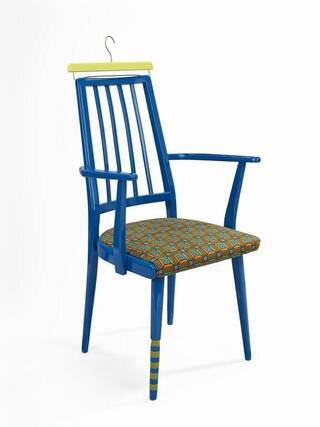 Captain hook chair frame, by Yinka IloriV&A East Museum
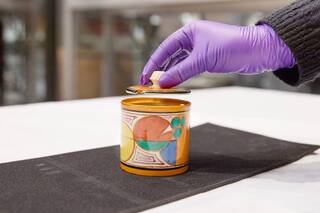


Order an Object
Get closer to the collections nestled within the V&A’s stores.
- Pick any stored objects to see
- Choose when to view them
- Visit your objects for free in the stores