Paintings
Features

-

Portrait of a Lady known as Smeralda Bandinelli
Discover how Botticelli's gazing lady ended up at the V&A
-

Conservation of Pentecost by Sandro Botticelli
The challenges of preparing a 500 year old fragile masterpiece to go on display
-

Preparing a Bollywood poster for stretching: ASMR
Step inside the Painting Conservation Studio to see this enormous hand-painted poster be prepared for display
-

Rabindranath Tagore: Poet and Painter
Simple bold forms and a rhythmic quality
-

Framing Botticelli
V&A Senior Conservator Zoe Allen explores a range of beautifully carved and gilded frames from the exhibition Botticelli Reimagined
-

The ‘Dan Brown effect’: Venus-mania from the Olympians to the Expressionists
Having worked for so long on Botticelli Reimagined, could Mark Evans be experiencing Venusian fever?
-

Botticelli’s influence
Terry Gilliam, ORLAN, Tomoko and David La Chapelle discuss the influence that Botticelli has had on their work
-

A walk through Botticelli’s Florence
Mark Evans, curator of Botticelli Reimagined, explores where the artist was born, lived and died
-

Botticelli and pulp fiction
Mark Evans, Curator of Botticelli Reimagined discusses the impact of The Birth of Venus on popular culture
-

The conservation of Flowers in a Glass Vase by Jacob van Walscapelle (1667)
Find out how our conservation team have transformed this important and beautiful oil painting through a major treatment programme
-

The South Court and Leighton Frescos
Tucked away in the V&A are two surviving masterpieces of Victorian mural painting
-

An unusual bloom in the Forest of Sherwood
When eagle-eyed conservator, Nicola Costaras, noticed that a large oil painting depicting Sherwood Forest after rainfall was covered in 'frost', a series of investigations and conservation work was kick-started.
-
 Francis Williams – a portrait of a writer
Explore the portrait of scholar and writer Francis Williams
-

Conserving an 18th-century portrait and waistcoat
Follow the conservation of two uniquely connected objects – a rare double acquisition for the museum
-

Marie Antoinette conservation: revealing the controversial queen's portrait
See the work close-up
Collection highlights
-
 The Temptation in the Garden of Eden, oil painting, by Jan Brueghel the elder, about 1600, Antwerp, BelgiumV&A South Kensington
 -
 Disappointed Love, oil painting, by Francis Danby, 1821, EnglandV&A South Kensington
 -
 Altarpiece of St George, by Master of the Centenar, first quarter of the 15th century, Valencia, SpainV&A South Kensington
 -
.jpg) Virgin and Child, oil painting, by Carlo Crivelli, about 1480, ItalyV&A South Kensington
Virgin and Child, oil painting, by Carlo Crivelli, about 1480, ItalyV&A South Kensington -
 Signboard for the Omega Workshops, painting, by Duncan Grant for Omega Workshops, 1913, EnglandV&A East Museum
 -
.jpg) Portrait of a Lady known as Smeralda Bandinell, painting, painted by Sandro Botticelli, 1470 – 80, Florence, ItalyV&A South Kensington
Portrait of a Lady known as Smeralda Bandinell, painting, painted by Sandro Botticelli, 1470 – 80, Florence, ItalyV&A South Kensington -
 Self-Portrait as a Young Man, oil painting, by Jacopo Robusti Tintoretto, about 1548, Venice, ItalyV&A South Kensington
 -
 Vanitas Still Life, oil painting, by N.L. Peschier, 1659, NetherlandsV&A South Kensington
 -
 Portrait of Madame de Pompadour, oil painting, by Francois Boucher, 1758, Paris, FranceV&A South Kensington
 -
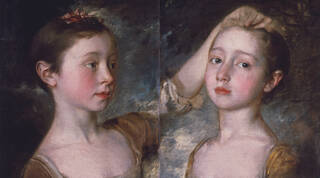
 The Painter's Two Daughters, oil painting, by Thomas Gainsborough, about 1758V&A South Kensington
 -
 A Sleeping Nymph Watched by a Shepherd, oil painting, by Angelica Kauffman, about 1780, London, EnglandV&A South Kensington
 -
 Portrait of Melissa Thompson, painting, by Kehinde Wiley, 2020V&A East Museum
 -
 Salisbury Cathedral from The Bishop`s Ground, oil painting, by John Constable, 1823, EnglandV&A South Kensington
 -
 Venice from the Giudecca, oil painting, by Joseph Mallord William Turner, 1840V&A South Kensington
 -
 St Cecilia and the Angels, oil painting, by Paul Delaroche, 1836, Paris, FranceV&A South Kensington
 -
 The Ballet Scene from Meyerbeer's Opera Robert Le Diable, oil painting, Edgar Degas, 1876, France. Museum no. CAI.19
 -
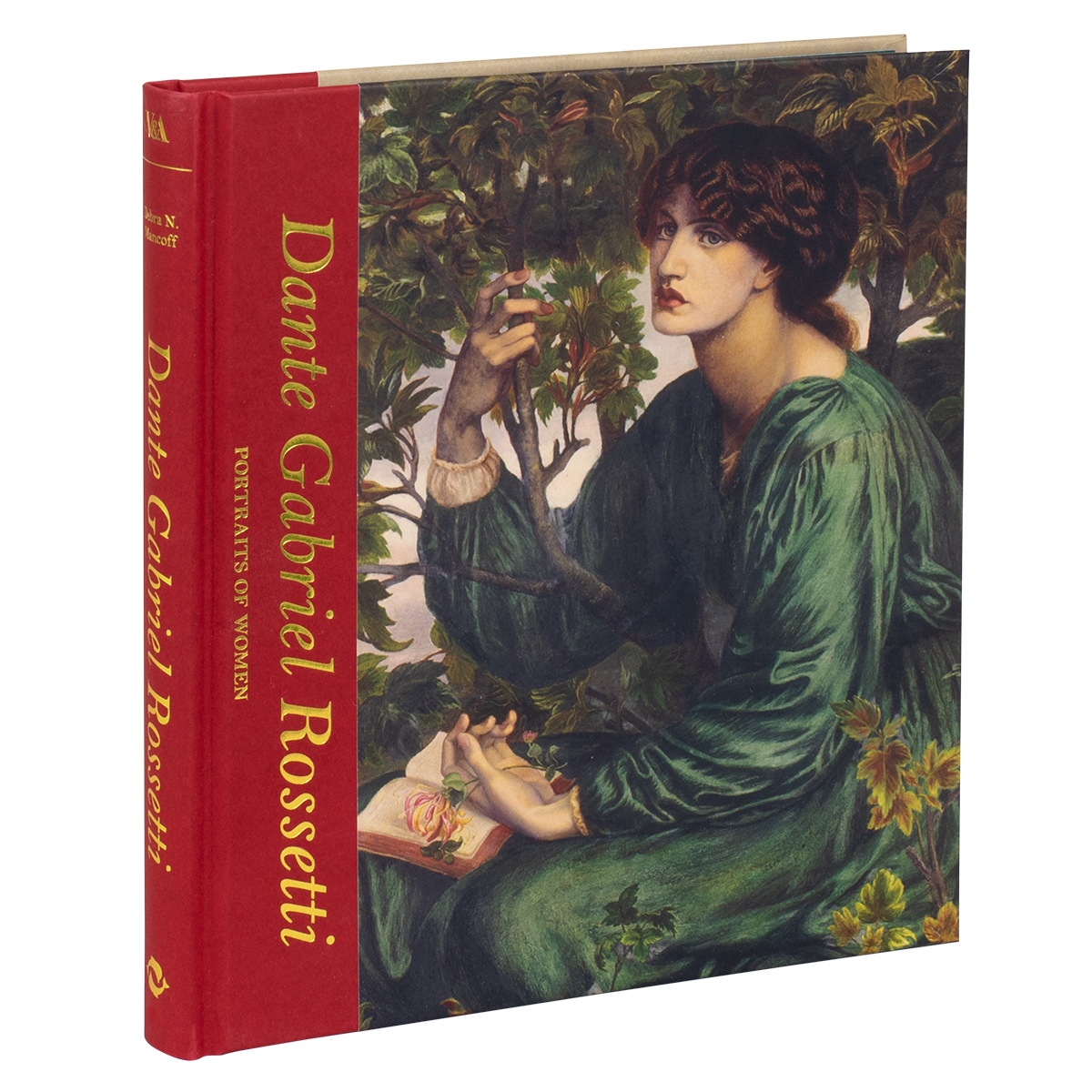
 The Day Dream, oil painting, by Dante Gabriel Rossetti, 1880, EnglandV&A South Kensington

Join a V&A Academy experience
Explore our curated range of expert-led courses, workshops, and talks, all with the V&A collections at their core.
- Expert led courses
- Practical workshops
- Lectures & talks
- Professional development