
Rococo
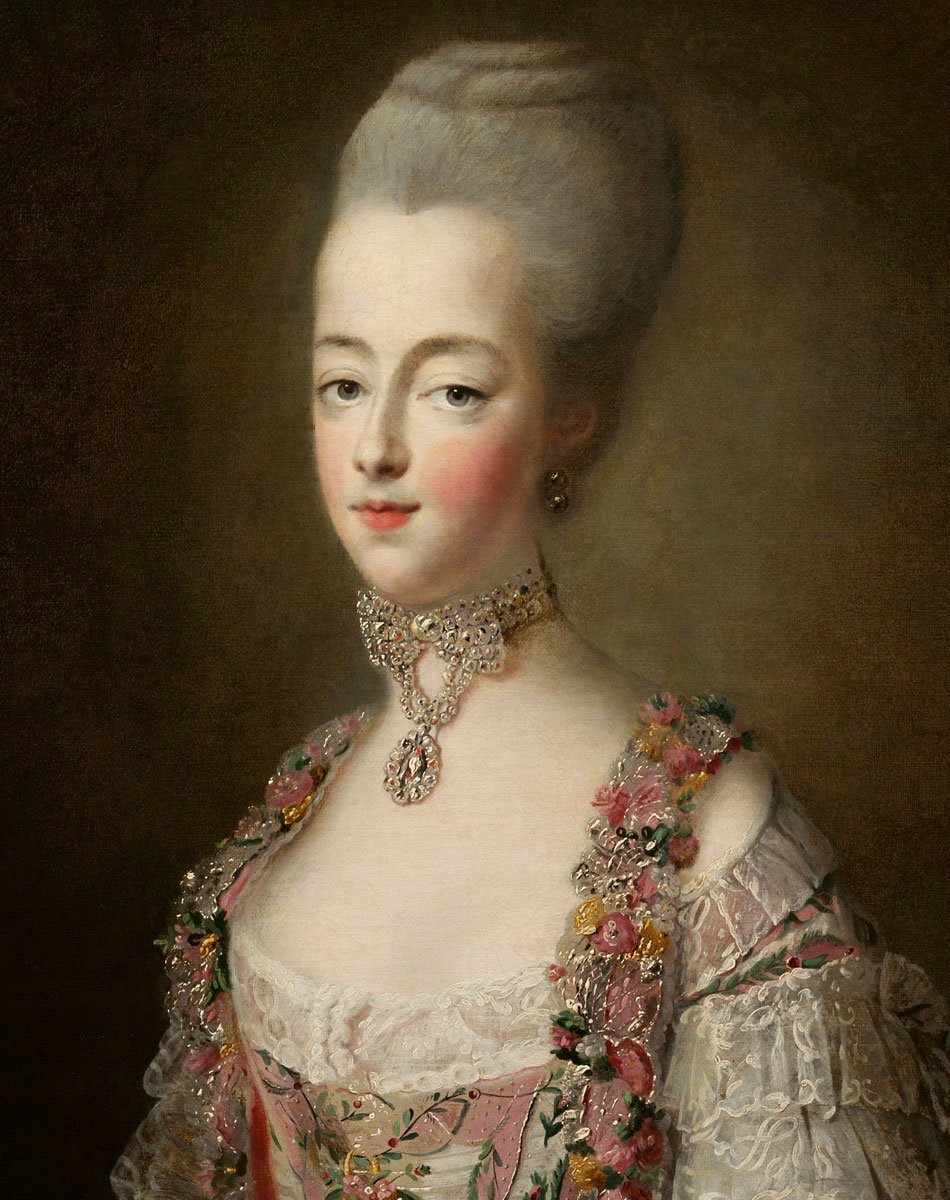
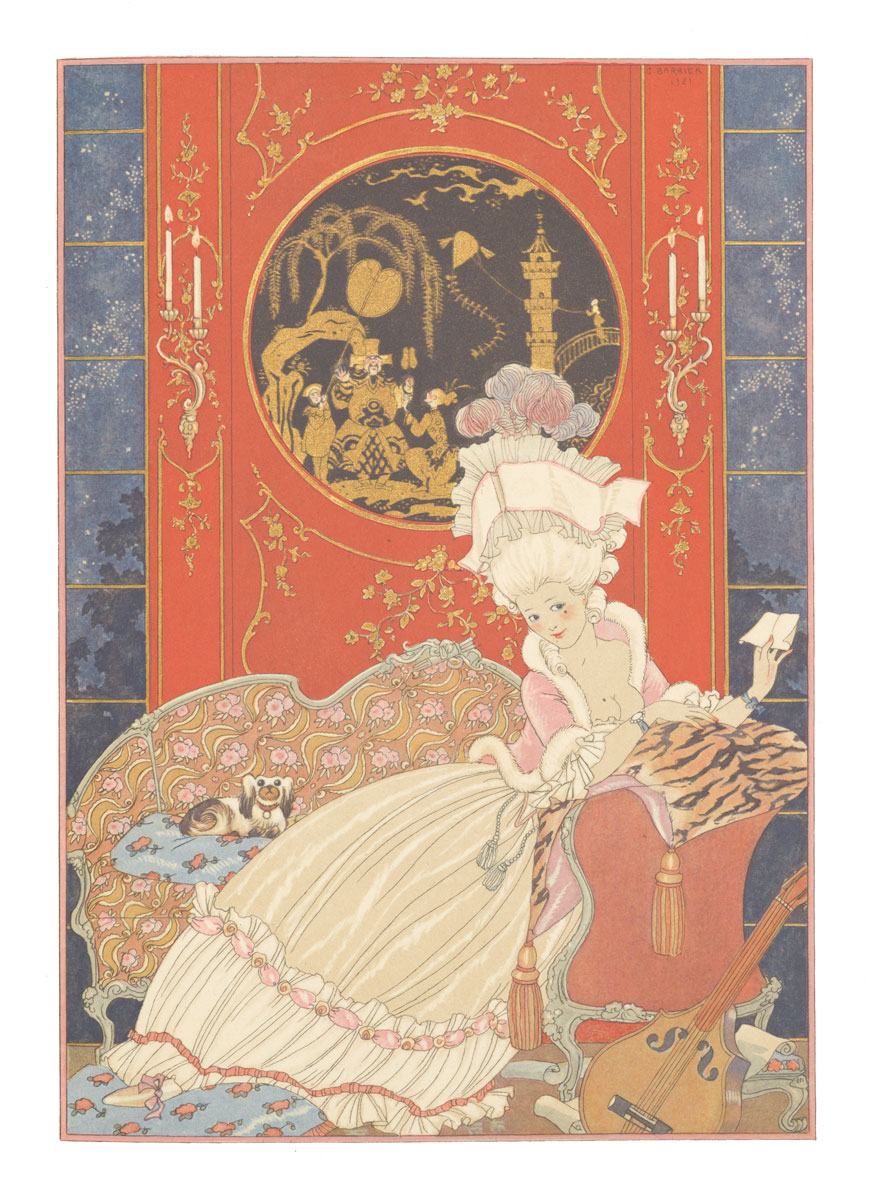
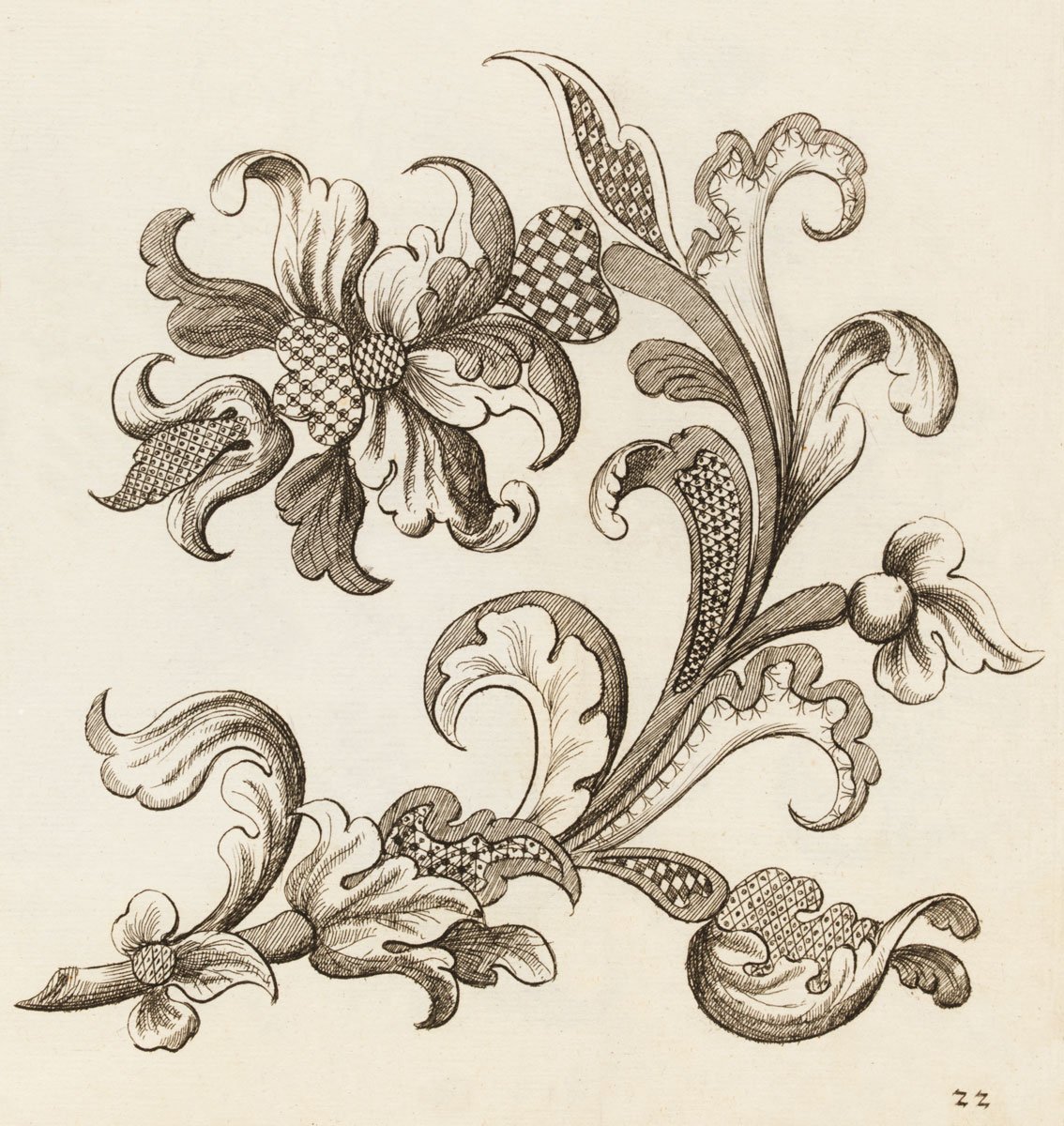
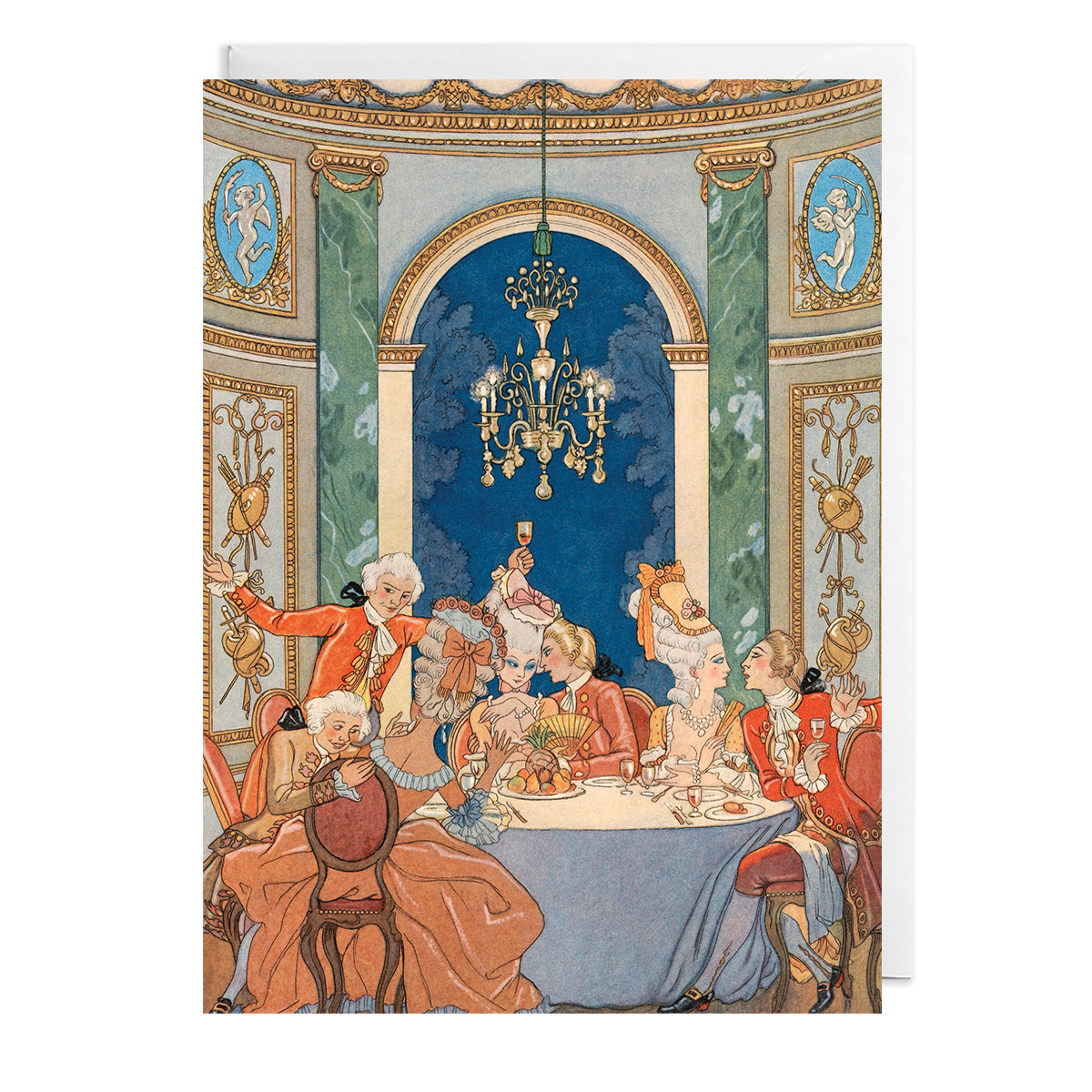
Rococo emerged in France in the 1720s and remained the predominant design style until it fell out of fashion in the 1770s. Excessively flamboyant and characterised by a curved asymmetric ornamentation and a use of natural motifs, Rococo was a style without rules. Compared to the order, refinement and seriousness of the Classical style, Rococo was seen as superficial, degenerate and illogical.
Features


Collection highlights
-
 Mantua, 1740 – 45, EnglandV&A East Storehouse
 -
 Cosway Sitter's chair, by Matthias Lock, about 1755, London, EnglandV&A South Kensington
 -
 Norfolk House Music Room, 1748 – 56, London, EnglandV&A South Kensington
 -
 Mirror, designed by Thomas Chippendale Sr, 1762 – 65, London, EnglandV&A South Kensington
 -
 Girandole (wall light), designed by Thomas Johnson, 1760 – 65, London, EnglandV&A South Kensington
 -
 Design for a chimney piece, plate no.179 in The Gentleman and Cabinet-Maker's Director, by Thomas Chippendale, about 1753 – 62, London, EnglandV&A South Kensington
 -
 Plate, by Bow Porcelain Factory, about 1756, London, EnglandV&A South Kensington
 -
 Design for a woven silk, made by Anna Maria Garthwaite, 1749, Spitalfields, LondonV&A South Kensington
 -
 Kettle, by Paul de Lamerie, 1730 – 31, London, EnglandV&A South Kensington
 -
 Coffee pot, manufactured by Bow Porcelain Factory, about 1760 – 65, London, EnglandV&A South Kensington
 -
 Candlestand, designed by Thomas Johnson, 1756 – 60, London, EnglandV&A South Kensington
 -
 Vase, by Derby Porcelain factory, 1758 – 60, BritainV&A South Kensington
 -
 Clock, made by John Ellicott, 1740 – 50, London, EnglandV&A South Kensington
Join a V&A Academy experience
Explore our curated range of expert-led courses, workshops, and talks, all with the V&A collections at their core.
- Expert led courses
- Practical workshops
- Lectures & talks
- Professional development
V&A Shop






Header image:
Mirror, Thomas Chippendale, 1762 – 65, London. Museum no. 2388-1855. © Victoria and Albert Museum, London