Make Good: Rethinking Material Futures
A V&A curatorial project investigating the use of natural, renewable materials in design and architecture.
Find out more


Thonet and the invention of bentwood furniture
Pioneers of both furniture design and manufacture

Unlock the secrets of this rare and beautiful cabinet from modern-day Colombia

Moulding a seat for Marcel Breuer’s Short Chair
Find out how a contemporary version of Marcel Breuer’s iconic Short Chair is made

The foremost American architect of the 20th century

Follow our Conservation team on their fascinating journey to restore an 18th-century chair made specially for Marie Antoinette

Discover more about a mysterious Colombian cabinet dating from the 17th century

Deckchair design: from ocean liner to Modernist villa
Discover how ocean liner style influenced an iconic Modernist chair designed by Eileen Gray

Space-Age chairs
Bold, futuristic, out-of-this-world – discover five iconic space-age chair designs

Conservation of a Japanese palanquin
Follow V&A Conservators as they treat an elaborately decorated Japanese palanquin in our collection

Art Deco in the home
From luxury handcrafted writing desks to affordable factory-made tea services, discover Art Deco in the home

The influence of East Asian lacquer on European furniture
Find out how the desire for Asian lacquer influenced Western furniture for centuries

The sophisticated Modern home
Explore a selection of homewares that embody timely, elegant and most importantly, Modern, design

Marcel Breuer's Short Chair
Discover the history of one of Marcel Breuer's best-known designs

The Garden Egg Chair
Behind the story of the Garden Egg Chair's mass production lies a fascinating tale of Germany's East/West relations

Discover the hidden processes and techniques of furniture-making

Discover the bawdy history of one of the V&A's best-known objects

Eileen Gray and her experimental 'S' bend chair
Introducing the pioneering female designer behind the experimental 'S' bend chair

Conservation of the Poynter Room grill
See the magnificence of the metalwork return

Dressing a 17th-century dolls' house: ASMR
Step inside a tiny dolls' house

Opening a decorative mopa mopa cabinet: ASMR
Marvel at the intricate detail and hear the drawers being gently pulled open

Discover the untold origin story of a design classic


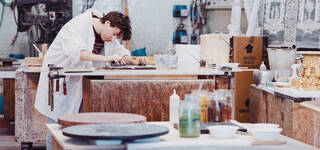
Watch the artisans at work


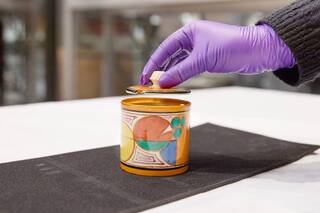


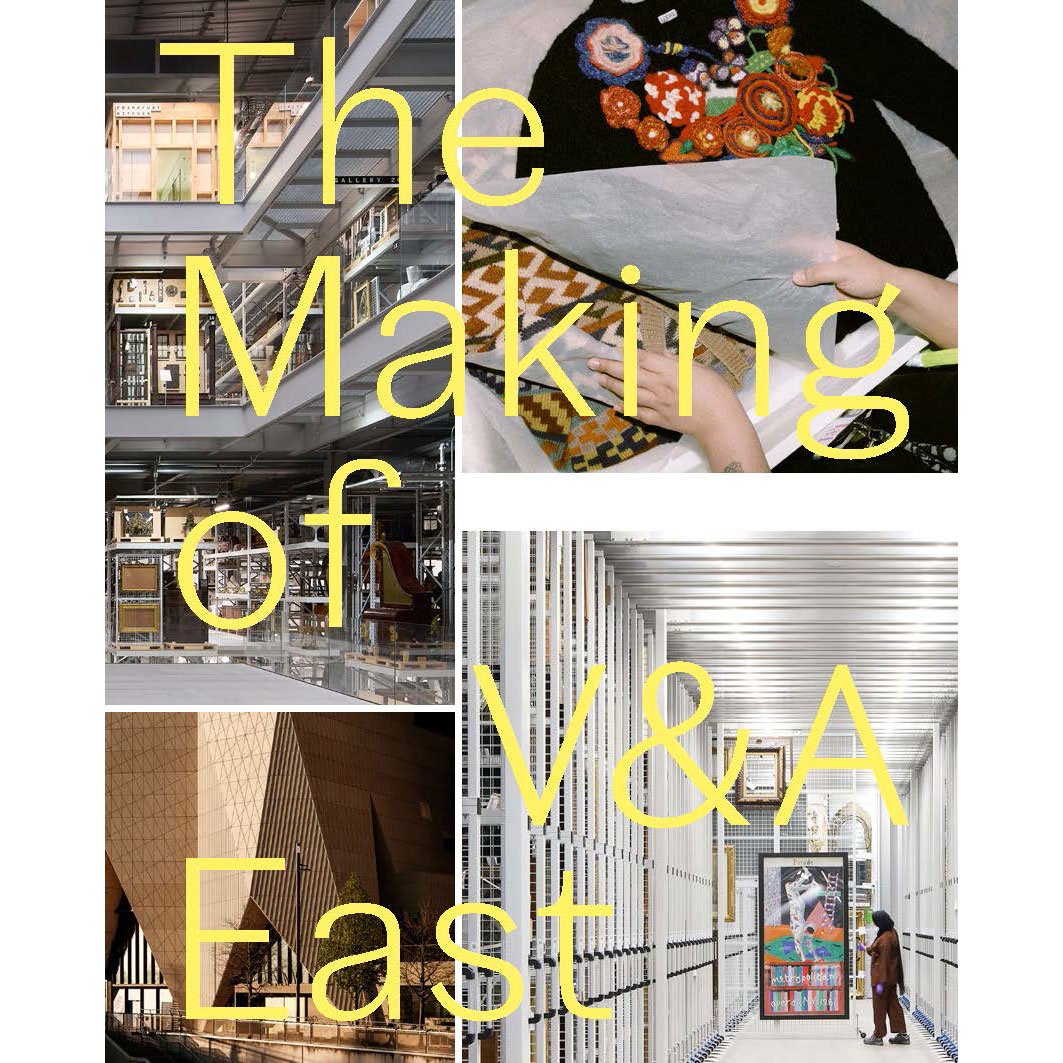
Get closer to the objects within our stores.
A V&A curatorial project investigating the use of natural, renewable materials in design and architecture.