


The art world has been fraught with frauds and forgeries since trading art was a thing! Impressive copies of famous artists’ work such as Johannes Vemeer, Jackson Pollock, Pablo Picasso, Henri Matisse along with sculptures from ancient civilisations have made some of these artists millions. Let’s take a look at some of the most infamous examples of forgery in recent memory…
Wolfgang Beltracchi
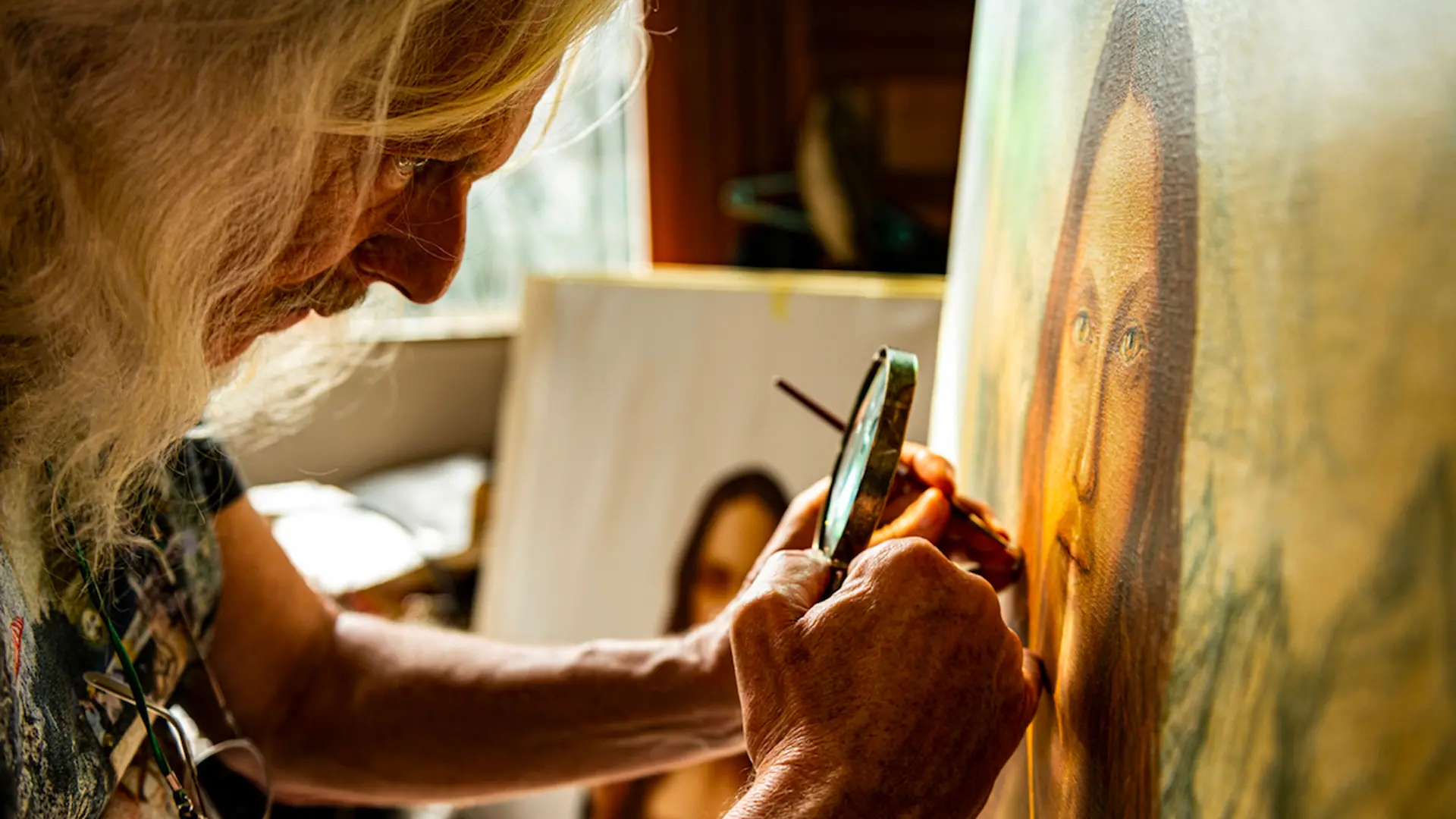
Wolfgang Beltracchi is one most successful forgers of all time. The artist and his wife made an estimated $100 million over a nearly 40-year career of forging hundreds of artworks. The forgeries included copies of Max Ernst – one of which they sold for a whopping $7 million to a Paris gallery. Incroyable! He was convicted and sentenced to 6 years in prison in 2011 and forced to pay millions in criminal damage, but because he is such a talented artist, people bought his work in post-release exhibitions, he soon made the money back! Wolfgang and his wife are still working artists today.
Van Meegeren
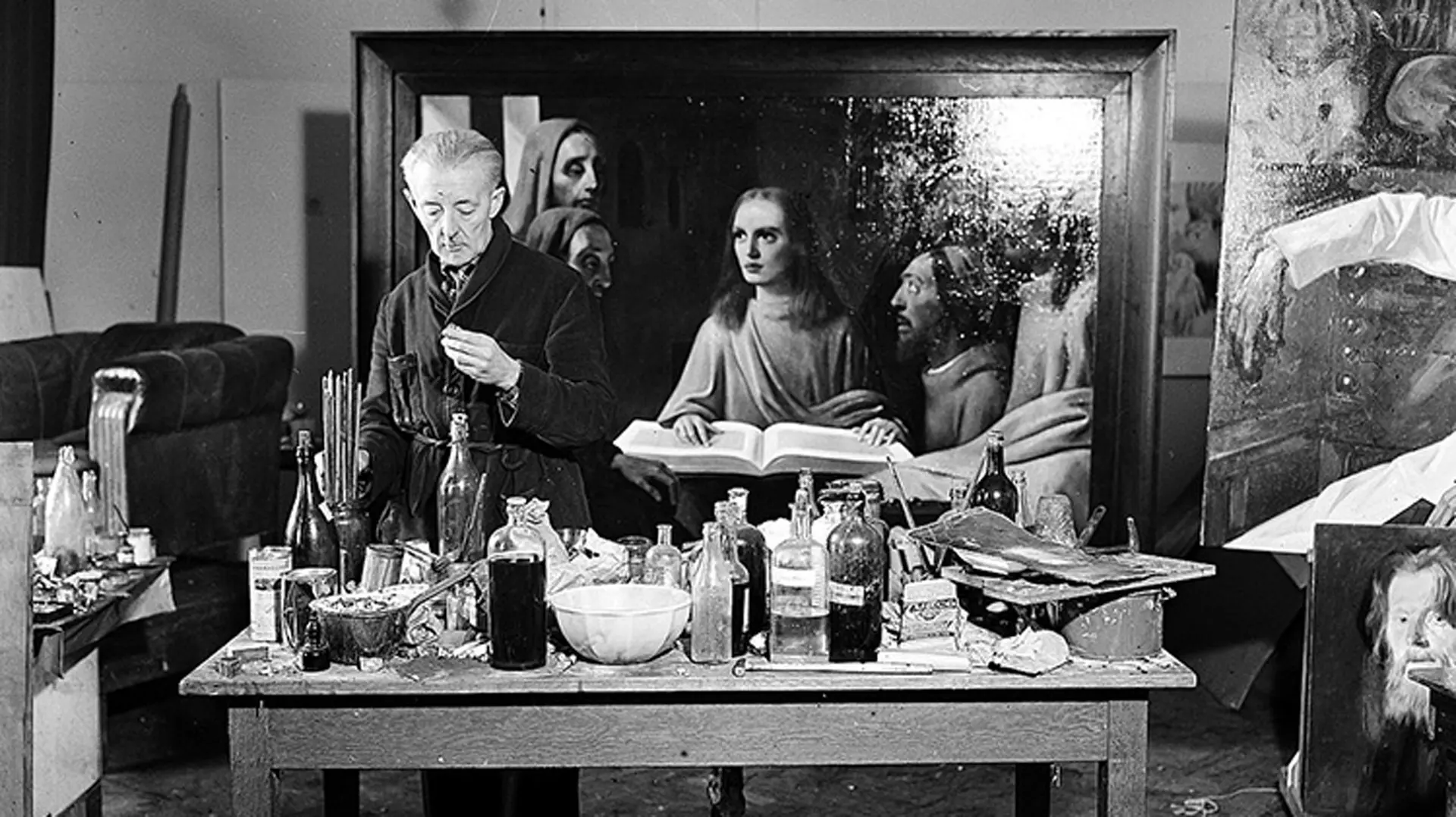
Van Meergeren was a prolific art forger and considered one of the most ingenious of all time. Born in 1889, he grew up in the same village as the famous artist Johannes Vermeer. He began a career in art by creating portraits of the rich and famous. Dissatisfied with this though, he wanted to be a great artist and began inventing completely new masterpieces in the style of famous artists, completely fooling art experts and auction houses. He even fooled Nazi Reichsmarschall, Hermann Goering, by selling him a forgery of a Vermeer for millions. He was almost put to death under Nazi Germany, but managed to get his sentence reduced to a year in prison by proving the forgery was painted by himself. He died in 1947, before his prison sentence was due to begin.
The Bolton Forgers
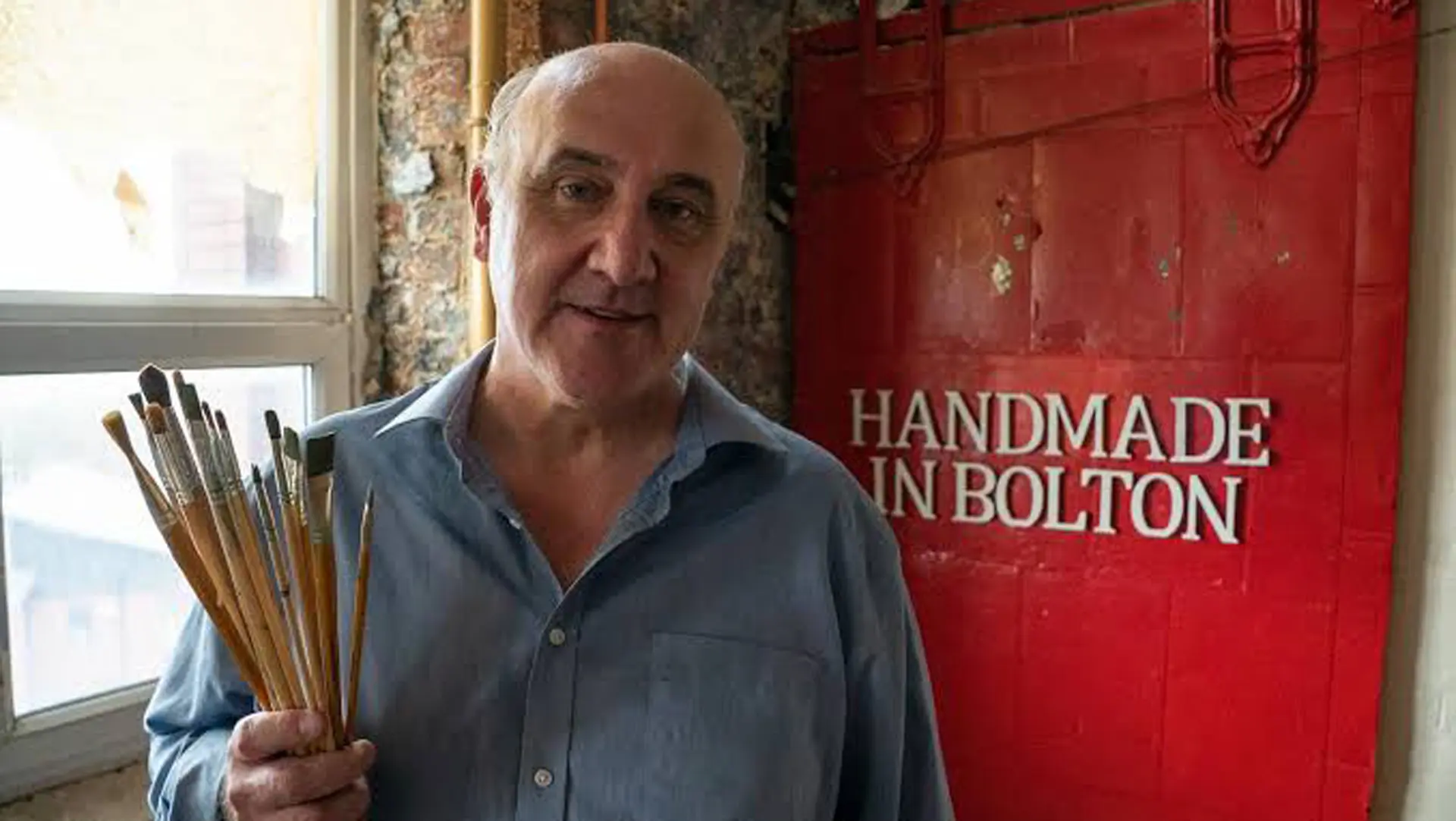
Shaun Greenhalgh, along with his family, created a wide variety of forged art, antiques and sculptures, ranging from Ancient Egyptian statues, Roman-era silver and paintings by Paul Gauguin, Edgar Degas, and Henri Matisse – all done in the family shed! Shaun’s artistic versatility meant he could produce many different pieces, giving his parents plausible stories when selling his work to museums, galleries and auction houses. Their most famous piece was the Armana Princess, an Egyptian alabaster statue that the family tricked the Bolton Museum into paying £440,000. Shaun used tools from B&Q to make some of the pieces! When the police raided the family home, they found a £20,000 cheque from 1993 and unfinished sculptures and paintings – astonishing the officers! Shaun has since served a prison sentence and released a book and continues to make art.
Elmyr de Hory
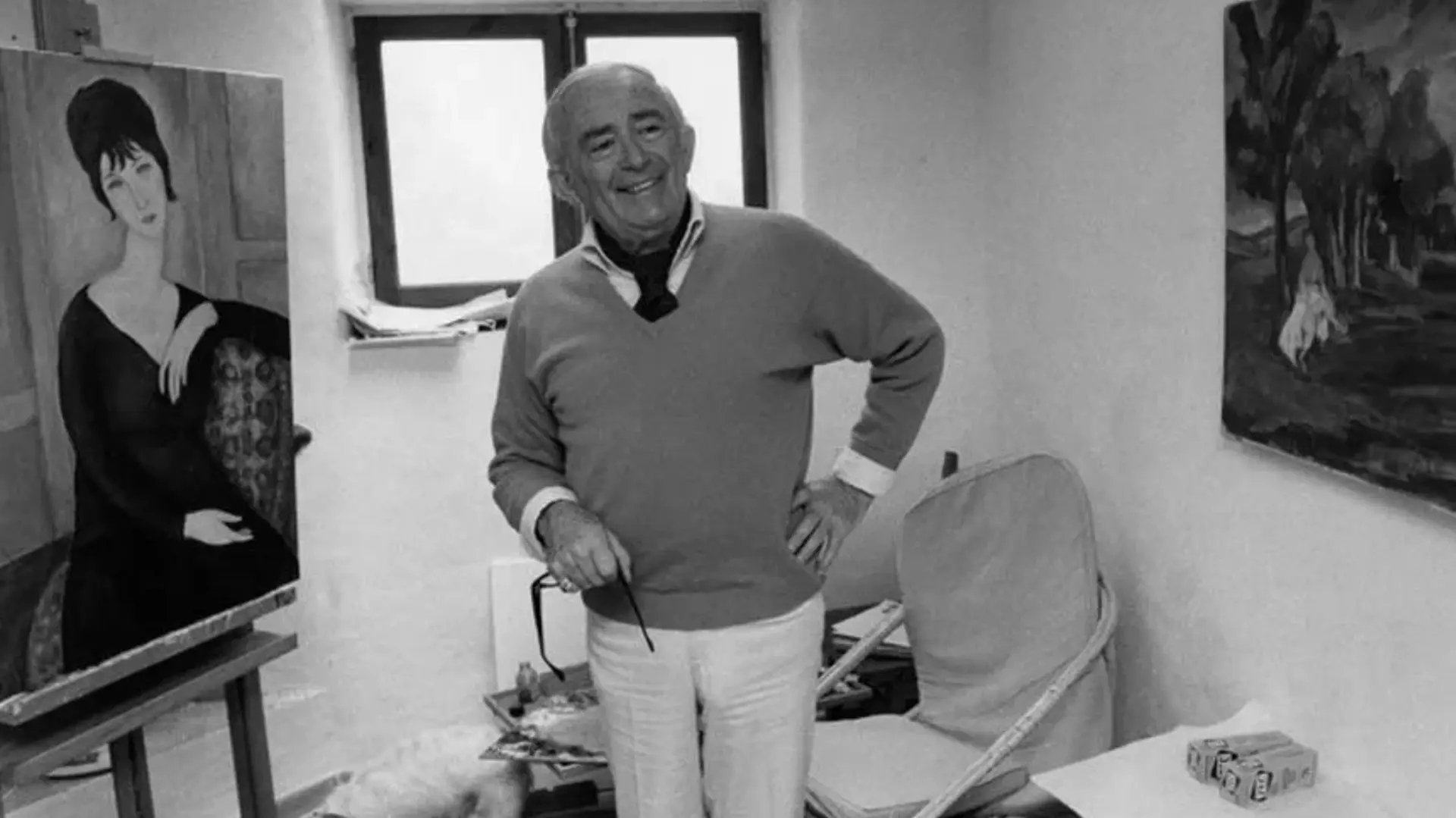
Elmyr de Hory was a Hungarian born artist in 1906, who managed to sell thousands of forged pieces to galleries and museums all over the world. His forgery career began when a friend visited him and saw his recreation of a Picasso on the wall, believing it to be the real thing, she asked to buy it! Elmyr did not tell her it was actually his handy work. He had a disdain for art dealers and the art world in general. He felt they were undereducated and only interested in money, which made him feel less guilty about his forgeries. Elmyr lived a wild life and struck up friendships with the rich and famous, including Marilyn Monroe and Elizabeth Taylor. He never went to prison for his crimes, despite being caught out in 1967. He died in Ibiza in 1976.
John Myatt
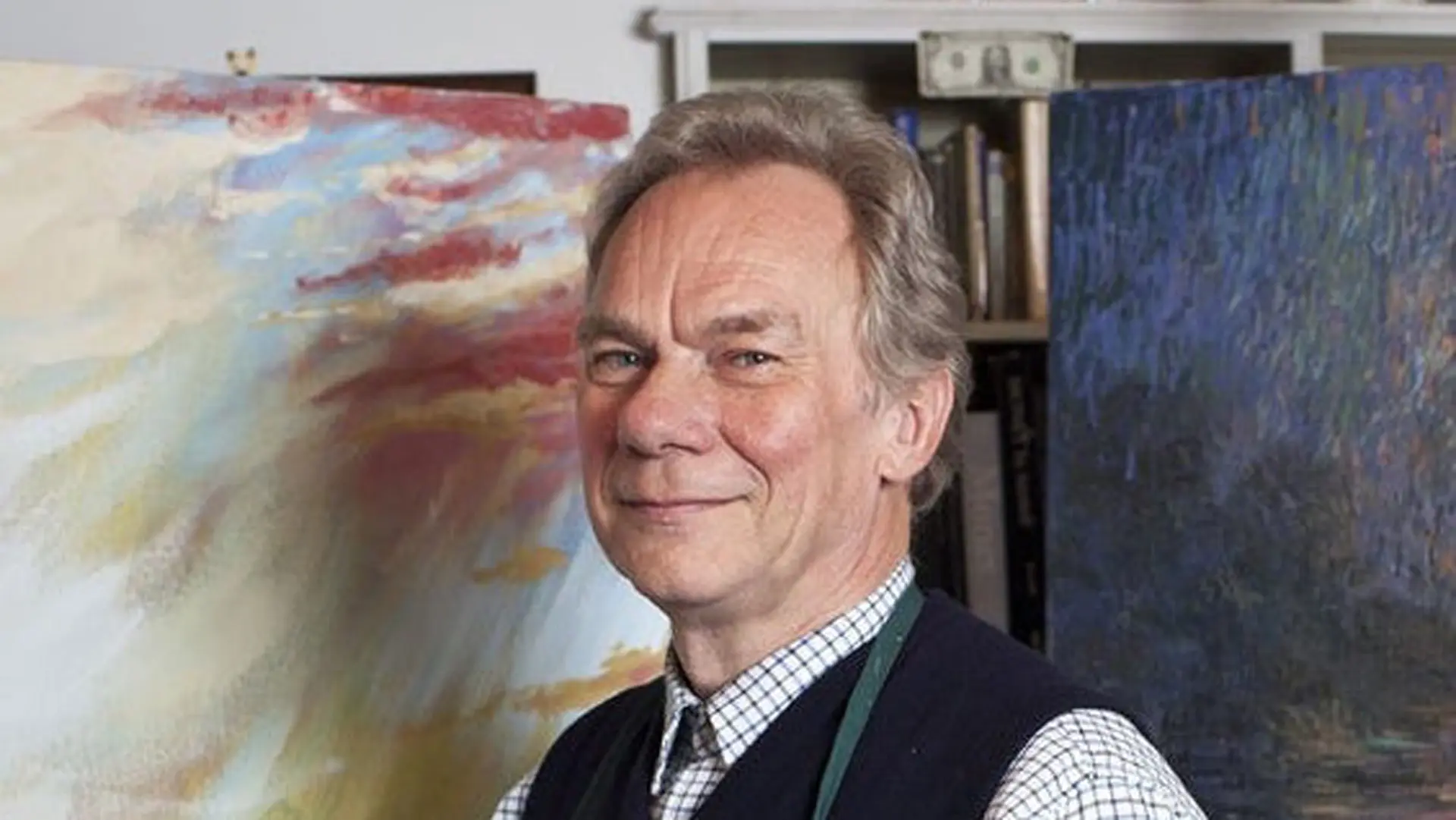
John Myatt was a schoolteacher who began selling his forgeries in the 1980s. His partner in crime, John Drewe, an art buyer, began selling the pieces to auction houses for thousands. John Myatt made masterpieces of Chagalli, Matisse and more – forging paperwork to prove provenance. He was finally caught when an ex-girlfriend angrily snitched on him, landing him in prison for a year. John Drewe got six years! Oh dear…