


Remember, remember the 5th November! But will you remember your Bonfire night facts? Don’t worry, because we’ve collected 7 interesting facts about Fireworks night and its origins just for you! How many of these do you know? Why not learn them and impress your friends with your awesome knowledge? Ready?
Guy Fawkes!
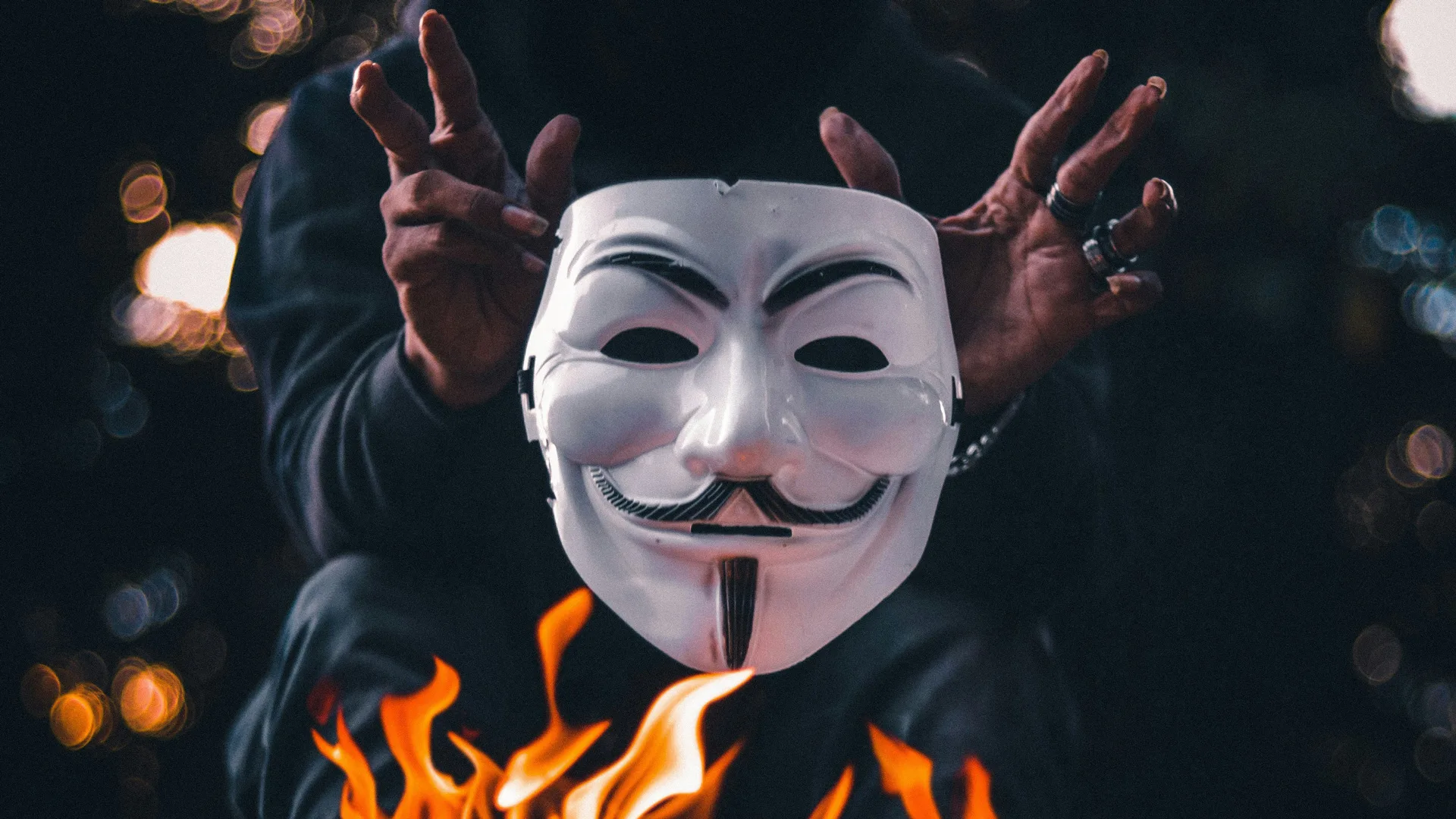
Okay – we guess you know this one – but just in case! Guy Fawkes attempted to explode the Houses of Parliament back on 5th November 1605 using 36 barrels of gunpowder! He was trying to do this because he was a Catholic and was against the protestant King James 1st. He almost succeeded – but he was caught just in the nick of time down in the cellars with a lantern and some matches!
Forced celebration!

Did you know that bonfire night actually began as a forced celebration? It’s true! In 1605 Parliament set an act which meant that the public had to go to Church to celebrate the failure of Guy Fawkes’ plot to blow up the House of Lords! Now we celebrate the evening for fun and fireworks, but it was once compulsory!
Searches!
Even today, the parliamentary guards still have to search the cellars of the Houses of Parliament before the State Opening of Parliament to check for a Guy Fawkes wannabee! You can never be too careful!
Guy Fawkes Lantern

The lantern that Guy Fawkes was carrying around the cellars when he was attempting to explode the Houses of Parliament is still preserved today and is stored in Ashmolean Museum in Oxford. It is on display there, so if you’re ever in Oxford, you can go and see the famous light!
Fireworks banned

Did you know that fireworks were actually banned from being set off during the first and second world war. This was because there was a blackout law to protect people from German bombs. The lights off rule would stop planes from seeing where the cities were, so if you’d have set off fireworks or had bonfires you would have blown the cover!
Robert Catesby
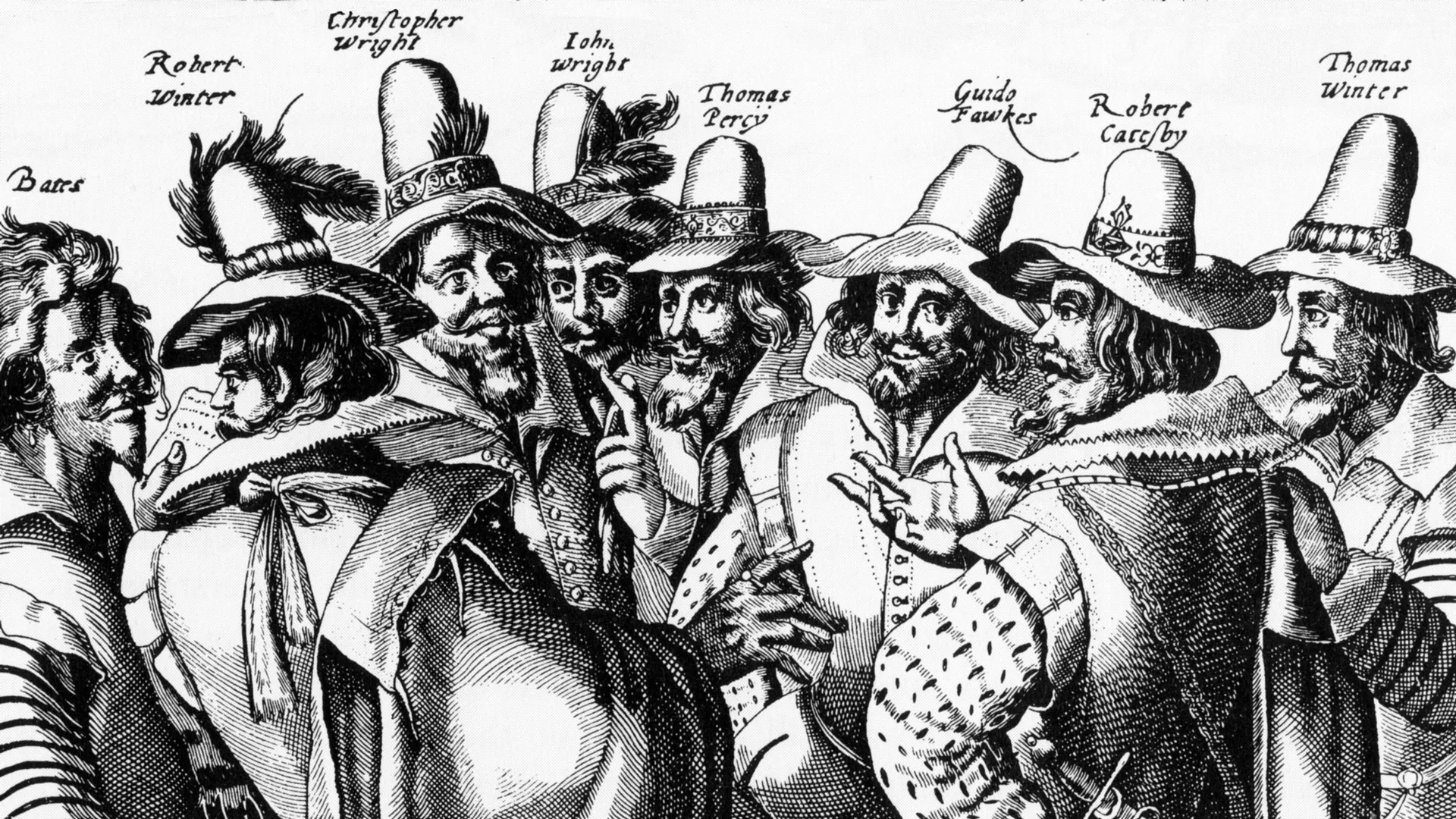
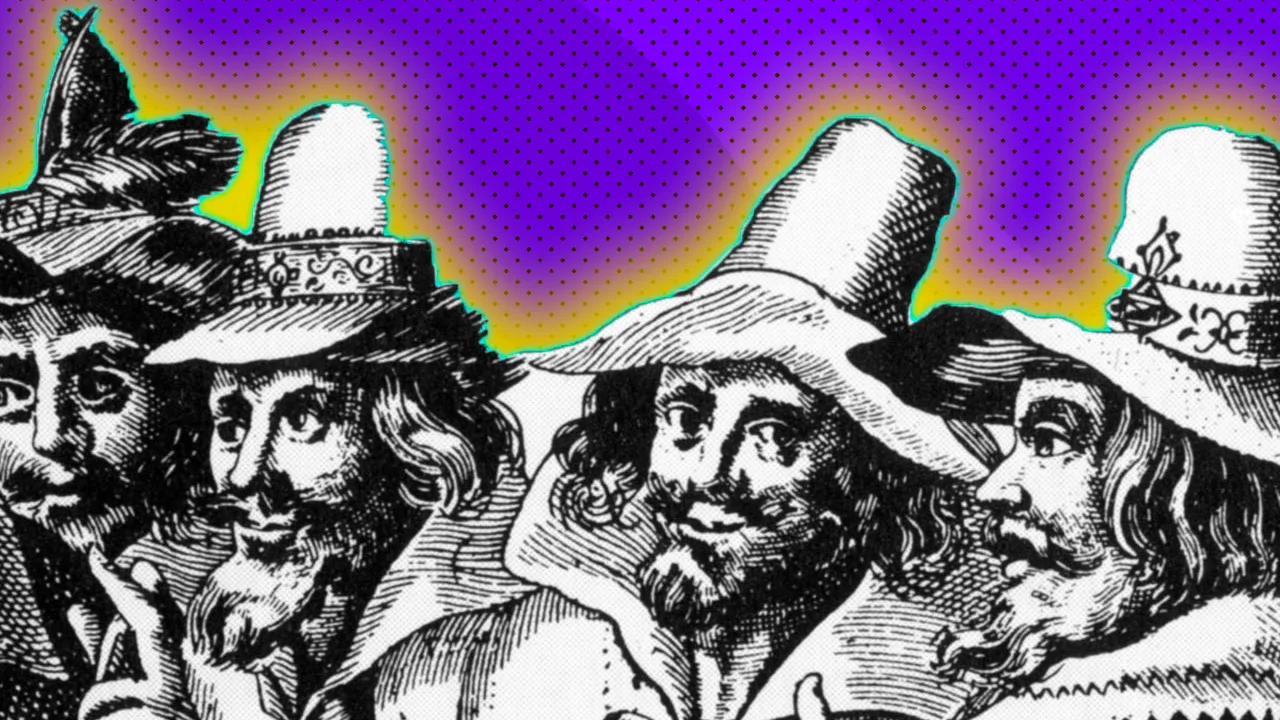
Despite Guy Fawkes being the most famous person associated with the gunpowder plot of 1605, he actually wasn’t the ringleader behind it all! It was actually a man called Robert Catesby – who was a devout Catholic, determined on converting England back to Catholicism. Fawkes role was actually to light the fuse for the gun powder, which left him right in the firing line!
Unlucky 13
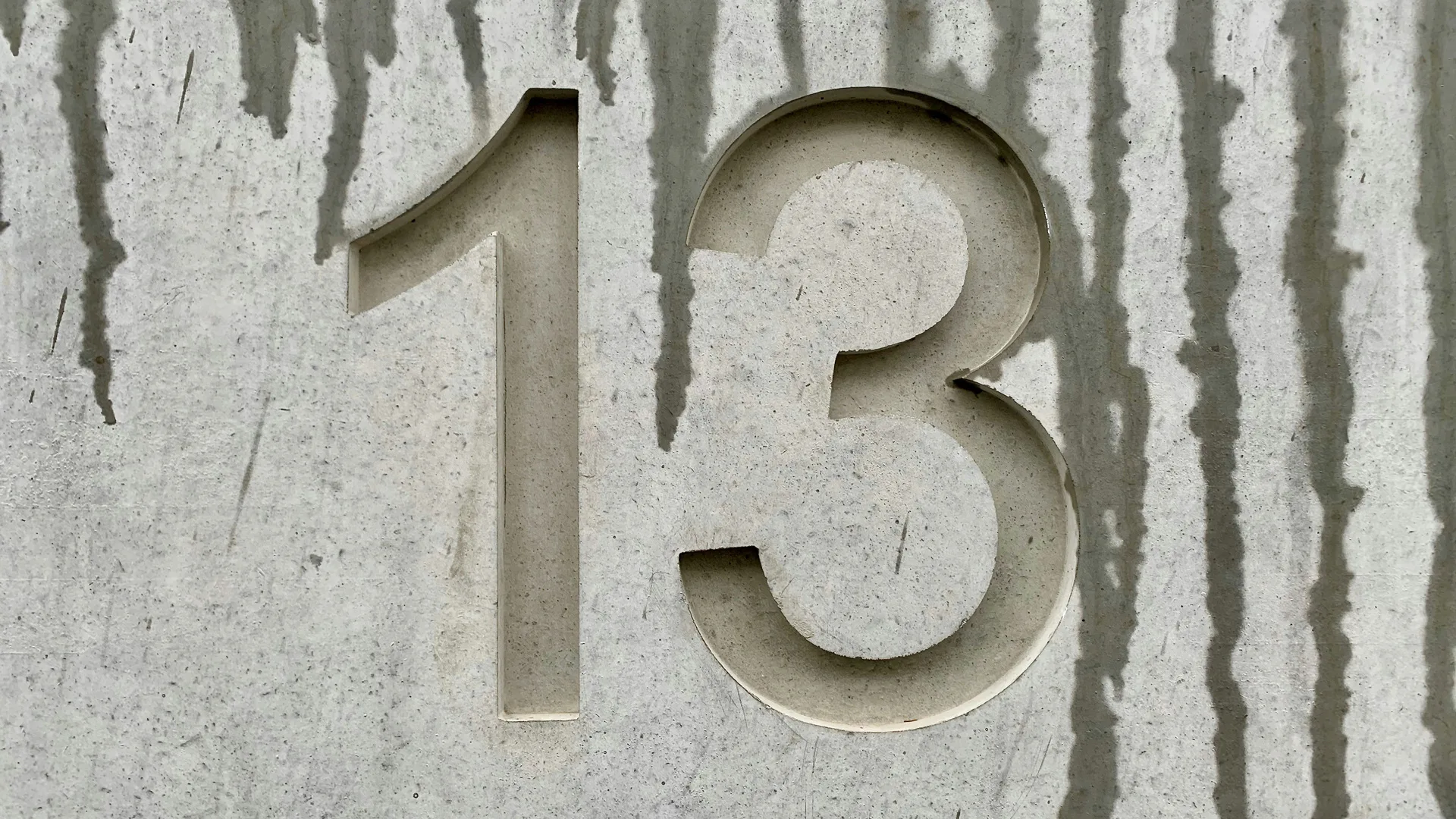
Did you know that the gunpowder explosion plotter’s number totalled an unlucky 13? Uh oh – they should have known it wouldn’t work out!