Sculpture
Features

-
 Revealing the lost art of the ancient scagliola marble technique: ASMR
Watch the artisans at work
-
 Samson Slaying a Philistine by Giambologna
Find out about this monumental sculpture which has been a model of technical virtuosity for over 400 years
-
 Auguste Rodin: production techniques
How did Rodin arrive at a finished piece? Discover the different techniques involved in producing his iconic sculptures
-
 The Three Graces by Antonio Canova
Discover more about a masterpiece of neoclassical European sculpture, The Three Graces.
-
 Neptune and Triton by Gian Lorenzo Bernini
Explore the only large-scale sculpture in Britain by Baroque master-craftsman Gian Lorenzo Bernini
-

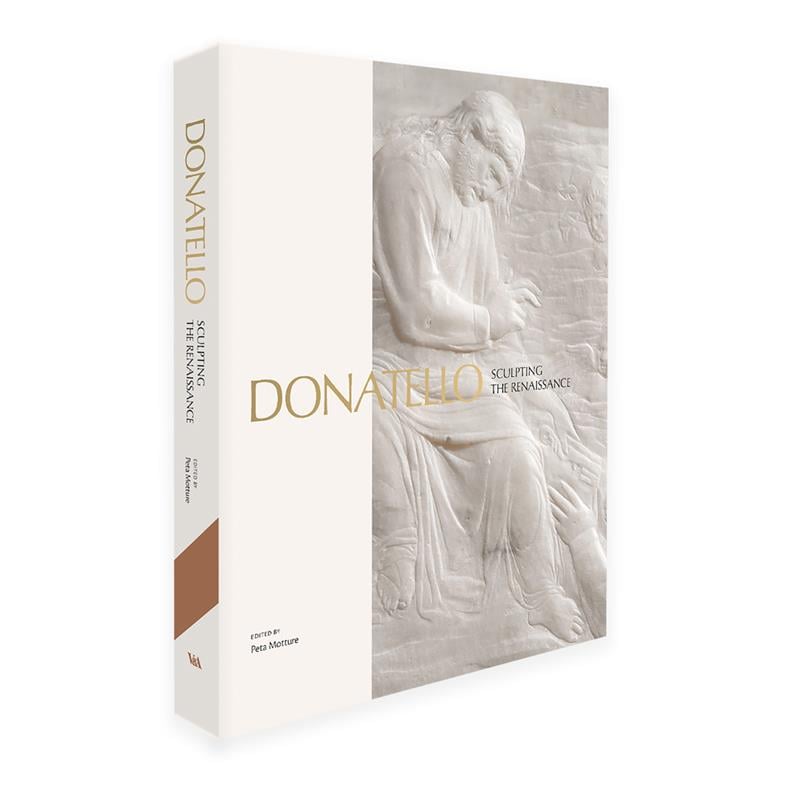
Donatello – a master at work
Discover how Donatello manipulated materials to create masterpieces of Renaissance sculpture
-

The Rodin Gift to the V&A
Read about the greatest gift to the Museum by an artist in their lifetime
-
 The story of Michelangelo's David
Meet 'David', one of the most famous objects in the history of art
-
 Reviving Angels: conservation in action
Find out how extensive conservation work has enlivened the appearance of the Wolsey Angels and ensured their future preservation
-

About the Rachel Kneebone display
Find out more about this unique arrangement of contemporary works by Rachel Kneebone alongside masterpieces of the V&A's collection
-
 Restoration of a giant gilded angel: conservation in action
Find out how this beautiful gilded statue has been painstakingly restored to its former glory
-

How was it made? Plaster cast
Discover the fascinating process of plaster casting
-

Donatello's 'David'
Pre-dating Michelangelo's David, discover Donatello's marble and bronze sculptures of the Biblical hero
-

Auguste Rodin: challenging beauty
Find out how Auguste Rodin paved the way for modern sculpture
-

Antonio Canova – an introduction
Discover the master of Neoclassical sculpture
-

Explore Donatello's masterpiece: 'The Ascension'
Shine a light on this masterful marble carving
-

Thomas J Price at the V&A
Discover Thomas J Price's sculptures, which, when placed in dialogue with works in the V&A Sculpture Galleries, prompt questions about representation and the ways in which art is displayed.
-

Monumentalism, representation and materiality – Thomas J Price at the V&A
Price discusses how his work raises questions of representation, perception and power, prompting us to think about the nature of monuments: who is represented and why?
-
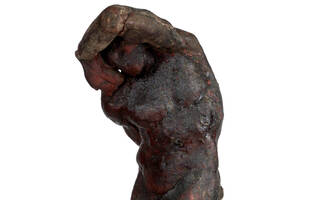 Protecting Michelangelo's wax sculpture from climate change
Discover the impact that climate change is having on Michelangelo Buonarroti's wax sculpture 'Prisoner'
-
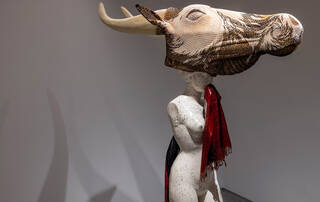 Hybrid forms and lived realities: the sculpture of Bharti Kher
Discover how Bharti Kher’s works invites visitors to see both contemporary sculpture and the museum’s collections in new ways
Collection highlights
-
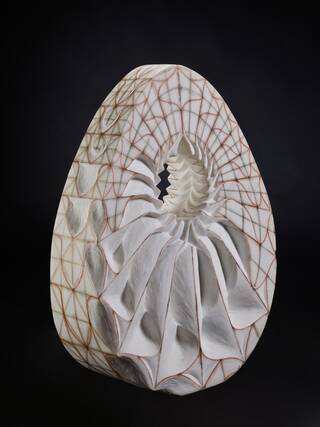 Bow Wave, sculpture, by Halima Cassell, 2012, ItalyV&A South Kensington
 -
 (Detail) Peasant woman nursing a baby, figure group, sculpted by Aimé-Jules Dalou, 1873, London, EnglandV&A South Kensington
 -
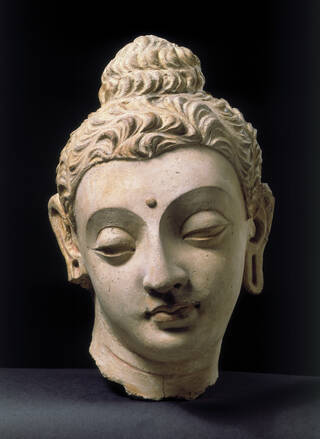 Head of the Buddha, sculpture, 4th – 5th century, PakistanV&A South Kensington
 -
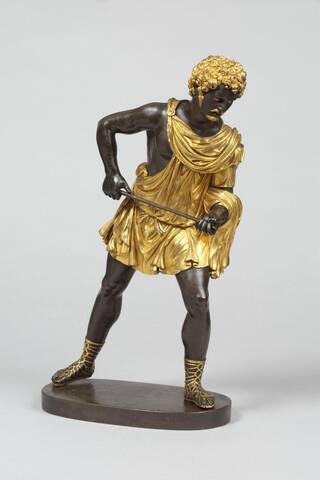 'Meleager', statuette, sculpted by Antico (Pier Jacopo di Antonio Alari-Bonacolsi), about 1484 – 90, Mantua, ItalyV&A South Kensington
 -
 Theseus and the Minotaur, marble group, sculpted by Antonio Canova, 1782, Rome, ItalyV&A South Kensington
 -
 The Soissons Diptych, about 1270, Paris, FranceV&A South Kensington
 -
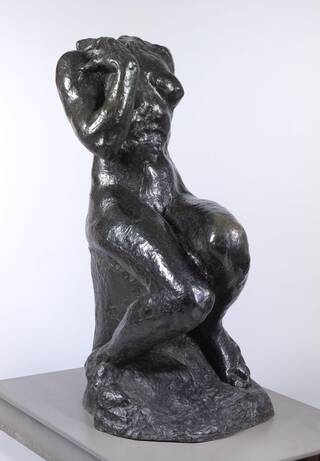 Cybele, statue, designed and made by Auguste Rodin, cast by Alexis Rudier, about 1904 – 05, FranceV&A South Kensington
 -
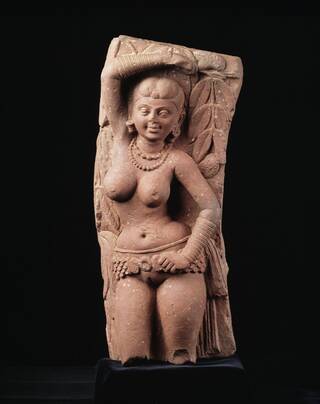 Shalabhanjika, figure, 2nd century, Mathura, IndiaV&A South Kensington
 -
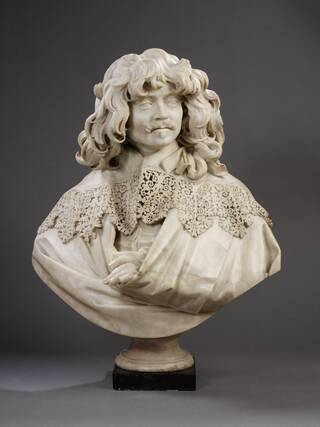 Thomas Baker (1606 – 58), bust, by Gianlorenzo Bernini, about 1638, Rome, ItalyV&A South Kensington
 -
 Virgin and Child, statuette, by Veit Stoss, about 1495, Cracow, PolandV&A South Kensington
 -
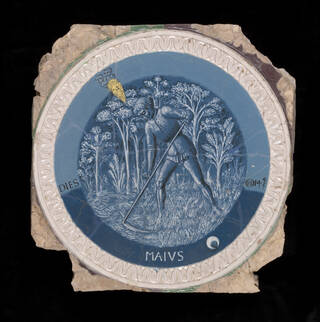 'May' from Labours of the Months, roundel, by Luca della Robbia, about 1450 – 56, Florence, ItalyV&A South Kensington
 -
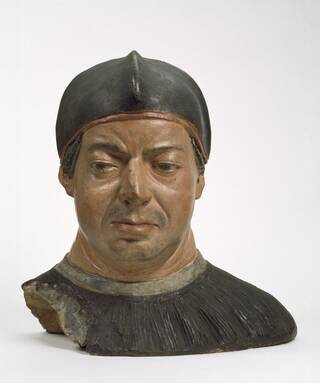 Cardinal Giovanni de' Medici, bust, by Antonio de' Benintendi, about 1512, Florence, ItalyV&A South Kensington
 -
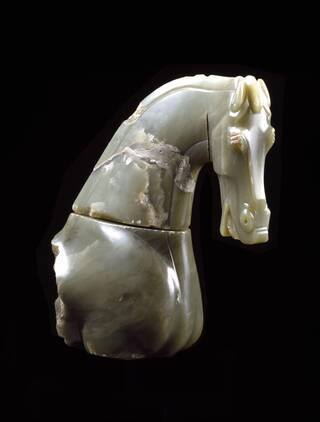 Head of a horse, figurine, Han Dynasty 206 BCE – 220 AD, ChinaV&A South Kensington
 -
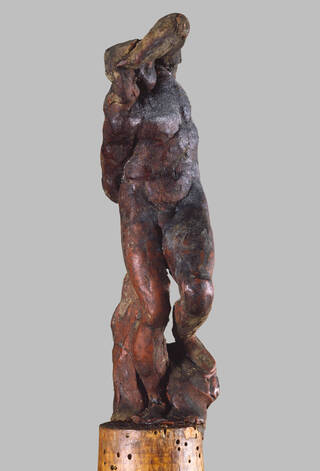 Model of a Prisoner, by Michelangelo Buonarroti, about 1519, Florence, ItalyV&A South Kensington
 -
 Souvenir 4 (Princess Alexandra), bust, by Hew Locke, 2019, EnglandV&A South Kensington