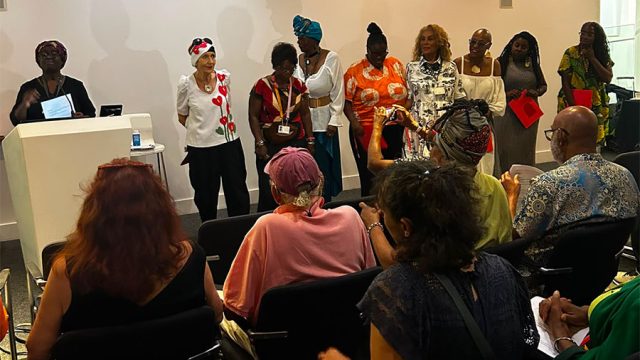
The National Art Library (NAL) holds a bustling trove of work about and by those from Africa and its diaspora and earlier this year we delivered the Afro-Diasporic Collections workshop in collaboration with the V&A Academy to illuminate this collection. The workshop consisted of talks, Q&As and the opportunity to look through material specially chosen by NAL staff.
The session began with a talk from Richard Epsley, who presented one of the library’s oldest African manuscripts, an Egyptian text from the 1300s. This was followed by three talks by library staff on a selection of photobooks and artists’ work.
Here are highlights from each section:
Manuscripts
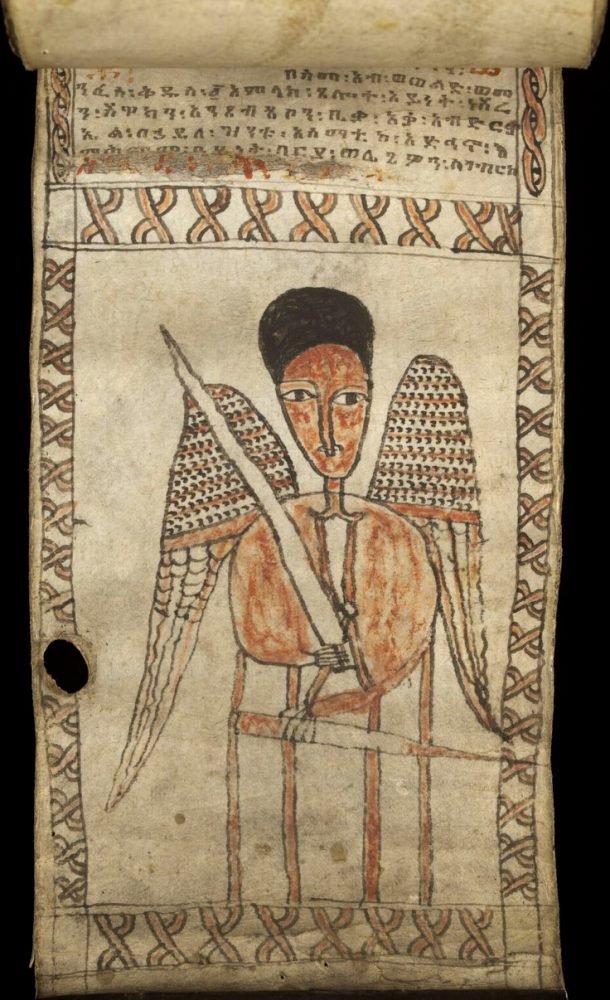
Prayers, charms and incantations for diseases and evil spirits is a sacred Ethiopian scroll believed to be made in Gondar in the 1800s. Ethiopian sacred texts date back to 4th century AD, some can be found in collections such as ours and some exist “unseen by the public eyes in remote monasteries and churches of the ancient realm.”
Prayers, charms and incantations was taken from Gondar to Emperor Tewodros’ mountain-top fortress Maqdala, it was then among the artefacts seized by the British during the Siege of Maqdala. This scroll was purchased by the museum from W.H Saunders along with this Psalter and other objects and in recent years Librarians and Provenance Research Curators such as Alexandra Watson Jones have discovered more about these looted items.
The scroll is beautifully illuminated with decorative borders and illustrations with text written in the sacred language of the Ethiopian Orthodox Church, Ge’ez. Scrolls such as these would have been hung over people’s beds, acting as protection against diseases and evil spirits.
Read more about V&A provenance research
Photobooks
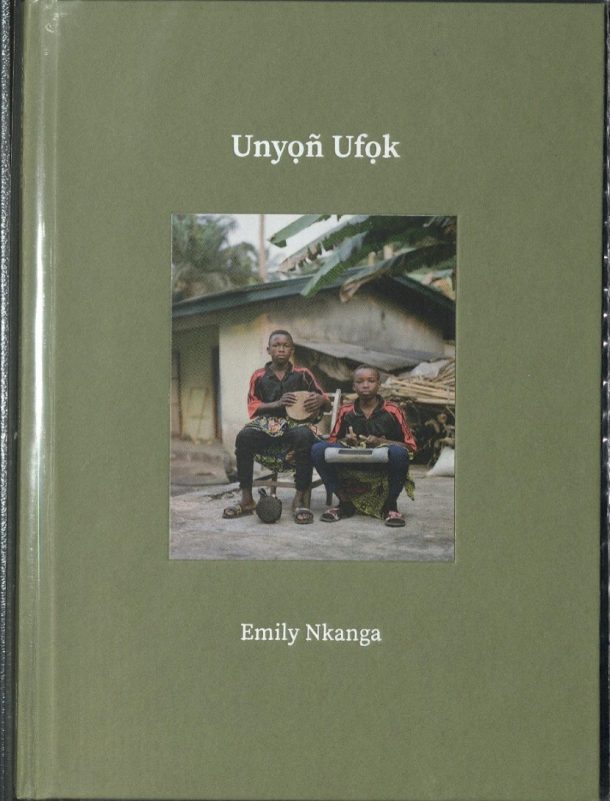
Emily Nkanga a Nigerian British photographer and filmmaker embarked on a two-year project to create Unyọñ ufọk: photographs of time spent in Akwa Ibom, a photobook documenting life in her hometown Akwa Ibom. Unyọñ ufọk, which means ‘going home’ in Ibibio began after Nkanga returned to Nigeria for her father’s burial, after over seven years of living in the UK. Through this photobook she explores her grief and identity, while celebrating and preserving the vibrant lives and culture of those in Akwa Ibom. Shot primarily on film with a Mamiya RZ 67 and an Olympus OM2, Unyọñ ufọk is described as existing in the liminal space between street portraiture and documentation. As you flip through the pages you are met with daily life in Akwa Ibom interspersed with images of royalty, government officials, the state boxing team and Starlight Cultural Group.
Documentation
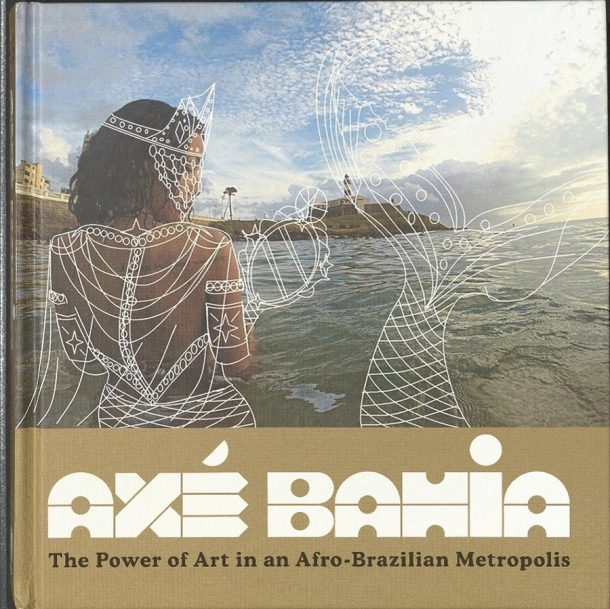
Axé Bahia is the product of over four-years of intensive investigation into Afro-Brazilian art, religion and identity in Bahia, Salvador. The publication compliments an exhibition at the Fowler Museum at UCLA in 2017 that was initially titled The Roads that Lead to Bahia: Visual Arts and the Emergence of Brazil’s Black Rome.
Through Axé Bahia we are given a detailed insight into the impact Candomblé, Bahian women, festivals, and the Atlantic slave trade had on Afro-Bahian art. The publication features the work of modernist and contemporary artists who explore their identities as Afro-Brazilians through photography, painting, sculpture and more.
Artists and makers
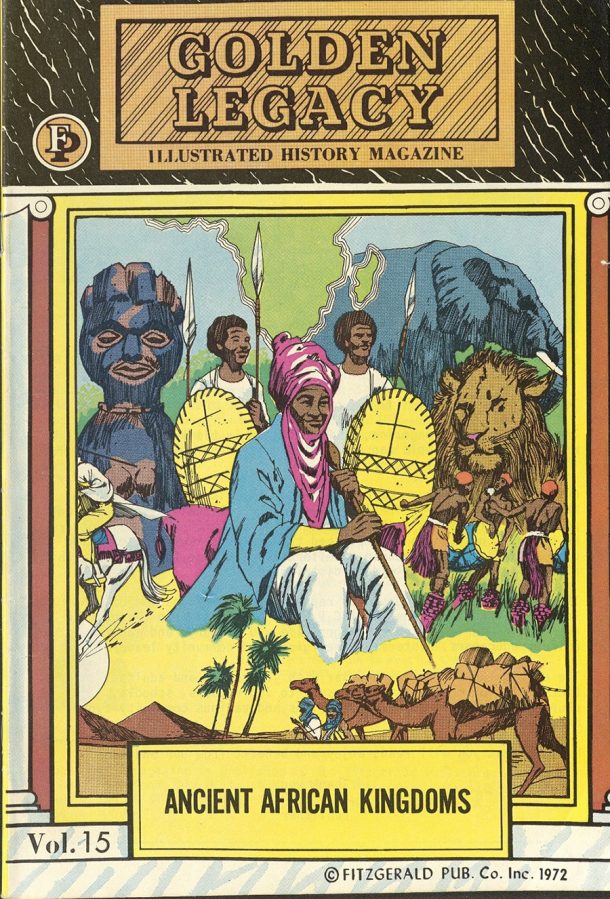
Golden Legacy is an educational publication consisting of 16 issues published between 1966 and 1976. Accountant Bertram A Fitzgerald created the series to combat the negative portrayal and omission of African Americans in comic books. Fitzgerald describes the works as ‘not a comic but a new approach to the study of history.’ The goal of each volume was to instil pride and self-esteem in young black people by educating them on the significant achievements of black men and women.
Volume 15, Ancient African Kingdoms is unique. Unlike the other issues which illuminate notable African Americans, issue 15 transports readers to Kush-Nubia and 8th century Ghana using colourful images and evocative writing to tell the tale of Pharaohs, Mansa Musa and more.
All the material from the workshop can be consulted in the NAL and an extensive list of the displayed material can be found in our course reserve.
If you would like to hear about similar events in the future make sure you sign up for the African heritage newsletter.