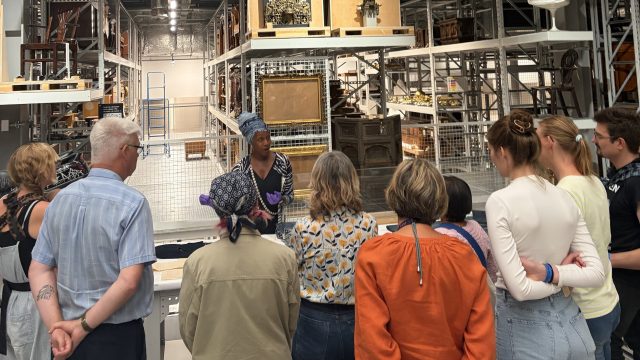
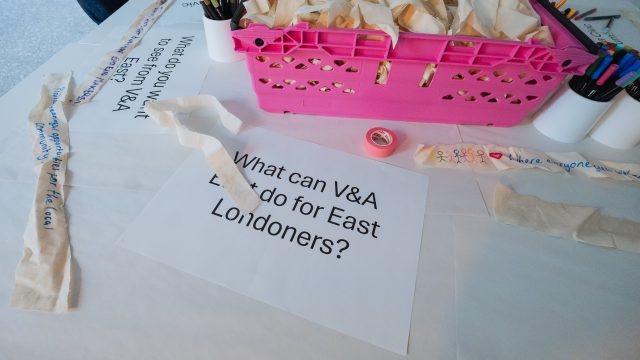
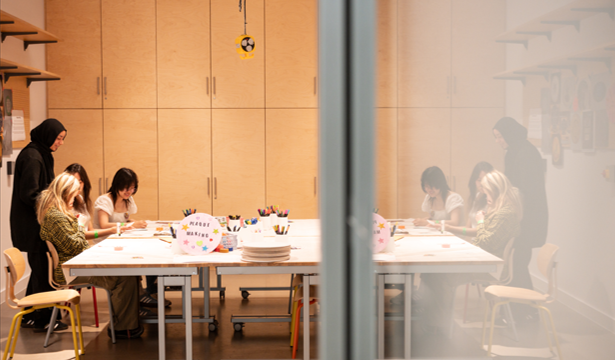
Last month I sat down with filmmaker, director and photographer Gabriel Moses at V&A East Museum for A Life in the Work of Others, where we ask an artist to give their insight into the people, places and experiences that have shaped their work. Here are 5 of the biggest inspirations Gabriel shared on the evening, from his mum’s flower arranging and vintage Nike ads to designer fashion and Hollywood icons.

- Family
The women in my life played a big part in the early stages of my art and inspiring me. When I was younger, the TV was in my sister’s bedroom, so I’d spend a lot of time in there playing games. She studied fashion, so she’d have these ripped up pages of Vogue or Dazed and all these references on her walls.
My mum was always into art and fashion and photography as well. We had good baby fits, because of my mum. Her big hobby was flower arranging, and she always had a great appreciation of colour. My mum would always make outrageous decisions when it came to colour. So it’s still something I think about a lot when I’m making an image.
Taking photos and documenting things was a big thing in our family. We’d always have books that showed my grandma and my granddad in Nigeria, my mum growing up in Nigeria, my siblings when they were younger as well. I had a lot to look at and I fell in love with that side of things.
My mum has always had this belief in me. She came to this country when she was 18, so she’s seen London and she’s seen all sorts of people shine. My mum’s the kind of woman that if I told her, ‘I want to be a postman’, she’d say, ‘go and be the best postman in the world’. After my first film with Nike, I dropped out of uni, and for five months it was quiet. But my mum knows me, and she knows I’m not an idiot and she knows I always want to win at things. So she just let me cook. She just understood it. My advice to people who have a different setup is that even if you’ve got to make a PowerPoint presentation as to why it makes sense, just do it. That has always been my thing, just being open and communicating.

- South London
There were so many people who are now doing big things in sport and entertainment that happen to come from south London. We’d see Rio Ferdinand and his brother a lot at the petrol station, and to see that was inspiring, knowing that this guy plays for Man United.
There was also a guy called Andy Ansah who lived nearby, and he was a south London legend. He used to play football and then he started choreographing ads. It was a big thing when we were younger – he was a proper celebrity in the area, because he’d been next to Ronaldinho and Ronaldo and all of these people. He inspired a lot of us because he’d cast us in these ads as extras. So as a kid, I’d feature in certain ads here and there, and I’d done some work experience much later on. But I knew that he used his love for football to just try something.

- Football
I didn’t think I’d be a photographer or artist in general. I wanted to be a footballer like everyone else. Then while I was in my first year at uni, my mum told me she was ill, and I felt like I hadn’t done anything that had made her proud – even though I know she’s proud regardless. So I thought, ‘what are all the things you might be good at?’
I have no divine right to take photos or make videos. I just try stuff, and if I’m good at it, we’ll give it a go. I had loads of ideas because I used to watch these Nike ads when I was a kid and just get super gassed at the Joga Bonito [‘play beautifully’ in Portuguese] commercials.
I hit up Fikayo Tomori – he’s from Woolwich but he played for Chelsea at the time and he’s now at AC Milan – and told him I wanted to make videos about his journey and backstory. He agreed, and we spent six hours making this video. I got to learn in my own environment with my friends. And I just put that on YouTube. That feeling of setting out to do something and putting it out there was the best feeling I’ve ever felt. To have an idea exist on YouTube, whether it gets 50 views or whatever, was a mad accomplishment for me at the time. But it was a terrible film in hindsight!
Then we did Joe Gomez and his story – I liked working with footballers. He grew up in Catford and saw that I was a young man who was just trying to do my thing, so helped pay for one of my first films when I was 18.
Nike reached out soon after my second video for a series of ads with different players for the new Tiempo football boot. I was 18, but I’d act much older than I was. I’d pretend – I’d try and be professional. I spoke with confidence and I pushed my ideas. It’s funny, being the director and literally being 18 – I’m the target market. I know what my friends and I want to see on video, so I would do it in a way that I felt made sense.
What I realised very young was make good work. Coming from a sports background, you can’t cheat sports. If you’re not good at football, you will not play in the Premier League. So I entered the creative industry with the same black and white mindset. I understood that when you make good things, things will happen.
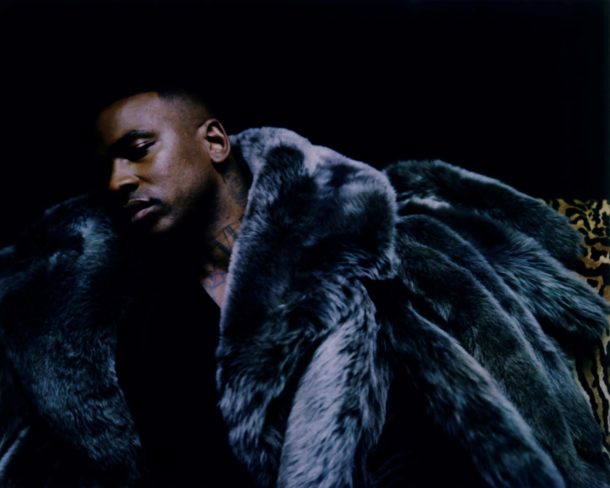
- Virgil Abloh
I worked with a photographer called Fabien Montique, and he introduced me to Virgil at the Off-White studio. I didn’t know too much about Virgil, but I knew about his Nike shoe. They just let me exist. I’d take all the fitting photos before the show and I’d make a show film. I’d be shooting nice clothes and Bella Hadid, or this person or that person. And I’m just a 19-year-old with a camera. I’m learning in an environment where I was able to grow, you know? No one did any miracles for me, but they just let me exist.
My introduction to fashion wasn’t Central Saint Martins or anything like that – I was with another Black man who’s doing his thing. Virgil was humble and had a kind of openness. The maddest thing with him was that if you messaged him, he’d reply that day. And he’d send you a nice message and a rocket emoji or something like that. It’s funny, but those little things would just gas me up. I’d just be like, ‘I could do anything.’ I came back to London thinking, ‘Virgil said my stuff’s cold.’ No one else could tell me nothing. I was able to watch someone and see someone who had achieved everything. His humility was just so inspiring. You really can just do anything.

- Everyday people
I’m very inspired by everyday people and their creativity. When I see people make a skit from their phone or see kids just randomly do things, I think that creativity is just mad. Being on the internet and seeing everyday people becoming the superstars – I love that. And that’s always been the theme of my work. Like when I do an ad for a big brand, I might cast one of those people. I can be working on a project and think these people maybe need to be represented,’ or ‘we’ve never done this,’ or that ‘as a brand, you’re not ready to do this’ – but when you’re working with me, we’re going to take that chance.
When I first got with my agent, I would say no to a lot of stuff when I had no right to. But it’s purely because I was trying to set the tempo. When I was younger, I’d be like, ‘all right, cut the budget, but let me decide what to do. Half it – but if I get to do what I want.’ And I’d rather do that than the big billboards.
When you think something’s normal, then it becomes easy. I want it to become so that in the next 15 years that there’s bare people who just do this because that’s what’s they want. That’s the inspiration of everything anyway, everyday people. It’s having people that still have that spirit in the right places.

Final piece of advice to any young creatives?
You have to just be yourself. When you’re yourself and your influences are real, it makes it so much easier. And then when you’re researching and things like that, you know where to look, what to go for, what books to pick up, what music to listen to because it’s you. You’re just training your brain to know what you like. When I was younger, I’d make sure I write down a concept every day. Not because I have a reason for it – but purely because your ideas are your currency.