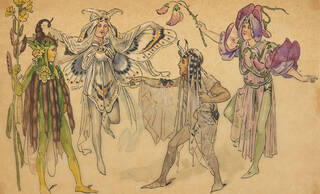
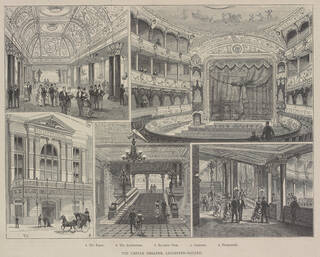
As a young artist, Wilhelm designed for the Theatre Royal, Drury Lane, London, creating costumes for famous pantomimes and magnificent dramas. However, he is best known for his spectacular ballets at the Alhambra Theatre (demolished in 1936) and the Empire Theatre, London during the late 19th and early 20th centuries, where his meticulously crafted designs were lauded for their botanical and animal realism.

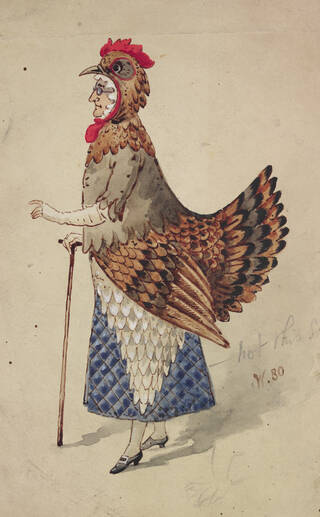
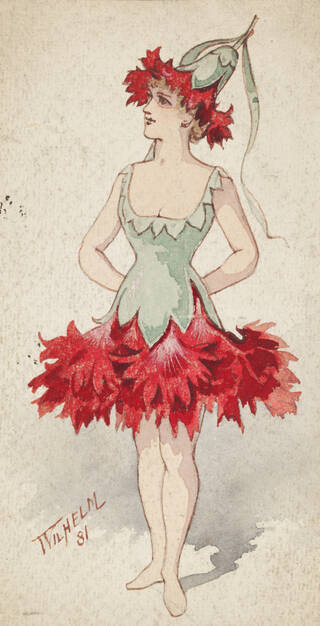
As well as designing both scenery and costumes for numerous performances, he was also known to have written scenarios and co-ordinated choreography, music and design into a coherent whole. Wilhelm had a highly developed sense of the overall stage picture: "The whole process", he wrote, "resolves itself into the production of certain sequences, combinations, effective backgrounds, and so on, and the members of the corps de ballet, etc, become convenient units in the development of the scheme".
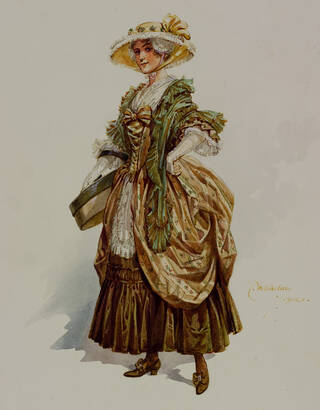
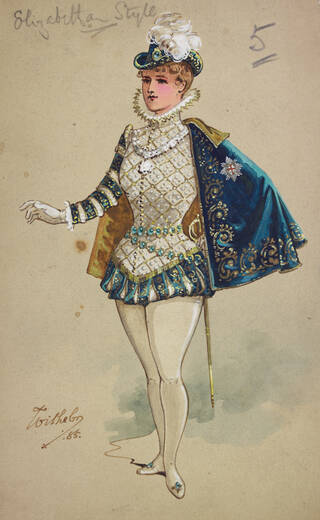
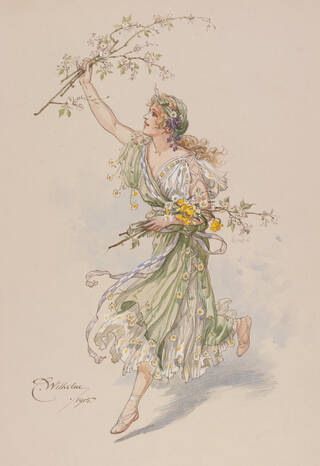
Wilhelm's costumes were designed with strong attention to detail, always made from the finest materials, and beautifully finished. His watercolour designs on paper – artworks in their own right – perfectly depict the fabrics he wanted the makers to use, as well as indicating the character for which the design was intended. They also convey a strong sense of atmosphere and place. Everything had to have its roots in reality and "had to be perfect at close quarters, down to the finest embroidery and the last button".
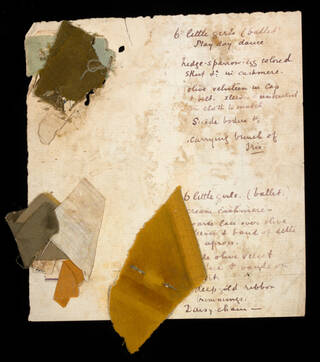
The prettiest fancy possible – on paper, is worth but little unless it be backed up by a very practical acquaintance with the adaptability and limitations of the various fabrics.
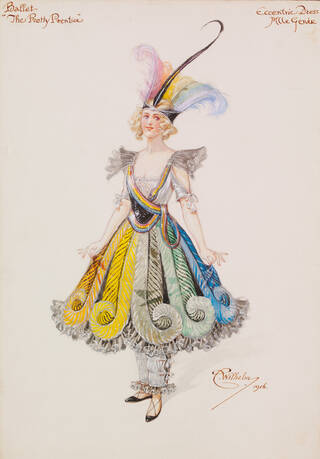
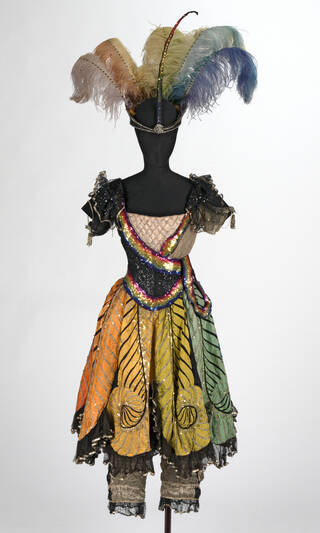
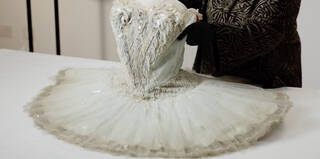
Many of Wilhelm's designs in our collection were created for the renowned Danish dancer Adeline Genée, one of the greatest ballerinas of the early 20th century and the first President of the Royal Academy of Dance. Comparing Wilhelm's costume with the original design for Genée in The Pretty Prentice (1916) – a light-hearted ballet created by Wilhelm, Genée and DG MacLennan – shows how Wilhelm used watercolour to suggest different fabrics. The execution of the costume in silks, taffetas, sequins and silver gauze creates a lavish effect, using colour and wit to conjure up a lively, mischievous character, very suited to the talents of Genée. The extravagance of the costume is staggering considering that this was one of several dresses worn by Geneé in a short ballet.
A Dream of Butterflies and Roses
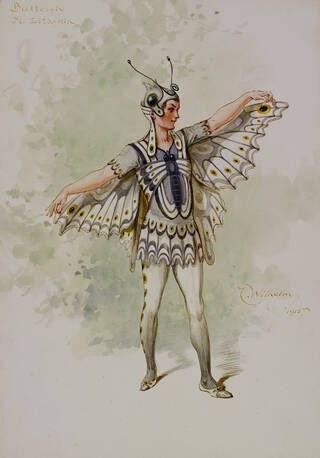
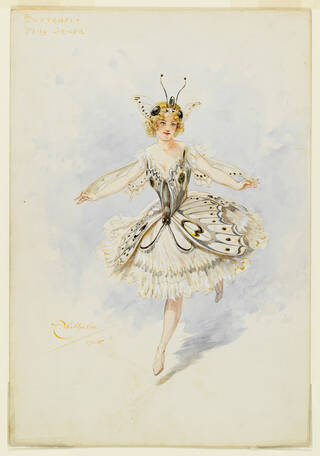
Wilhelm and Genée also worked together on A Dream of Butterflies and Roses, choreographed by Genée and first performed at the London Coliseum in 1911. Genée danced as a butterfly in the 1915 production, also at the Coliseum, with magnificent costumes designed by Wilhelm. The ballet is a fantasy in which a woman falls asleep after receiving a bouquet of roses, and dreams that her roses come alive and she is a butterfly. Wilhelm had previously studied butterflies for the 1901 ballet Les Papillons (The Butterflies), reworking his costume design for Genée.
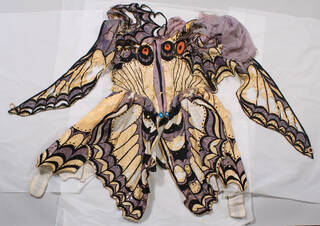
Amongst a wealth of material relating to A Dream of Butterflies and Roses in the V&A Collection, including programmes, a poster for Genée's London Coliseum performances, and the wooden platform on which Genée as the butterfly perched, there are also Wilhelm's original designs for the two butterflies, and a version of Genée's costume – complete with incredibly fragile silk decorative wings.
Influence of the Ballets Russes
Wilhelm's incredibly detailed designs undeniably defined ballet costume and staging in late Victorian and early Edwardian performances in Britain. However, the arrival of the Serge Diaghilev's Ballets Russes in Paris in 1909 had a profound effect, not only on the ballet world, but on art and design, interior decoration, music and fashion. Influenced by Diaghilev's avant-garde modern aesthetic and the costumes worn by the Ballet Russes' Russian prima ballerina Anna Pavlova, Wilhelm began to devise simpler, more pared back designs, such as the costume he created for Genée for her 1915 performance in The Dryad.
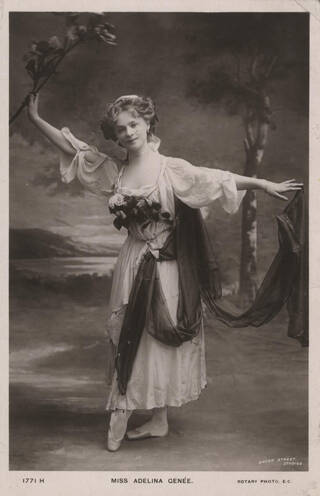
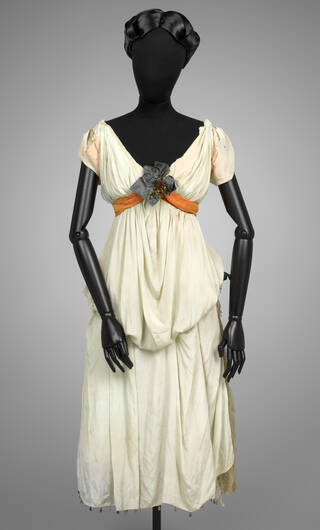
Wilhelm's 28-year residency at The Empire ended in 1915 but he continued to create costumes and set designs for ballets, both for the London stage and Broadway, until his death in 1925.
Discover more of the costumes in our collections.
Find out more about the iconic Ballets Russes.