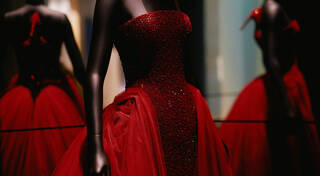
1. There has never been a UK exhibition devoted to Maison Schiaparelli
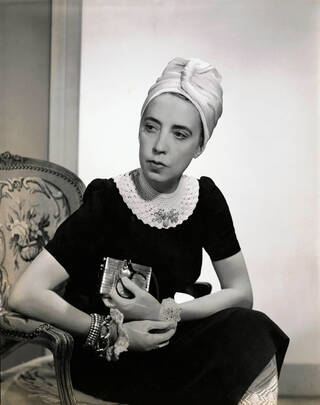
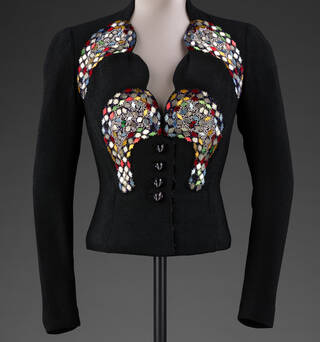
Groundbreaking exhibition Schiaparelli: Fashion Becomes Art, spans the 1920s to the present day and charts the history and impact of one of the 20th century's most ingenious and daring designers, Elsa Schiaparelli. The show traces the origins of the House, from the first paradigm-shifting garments, to its spectacular present-day incarnation in the hands of creative director, Daniel Roseberry.
2. Elsa Schiaparelli socialised and collaborated with leading surrealist artists
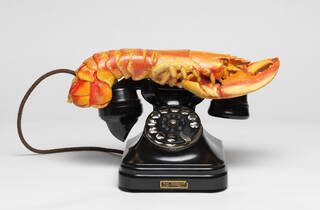
Schiaparelli was a key innovator in fashion, art and performance in Paris, New York and London between the world wars. In 1920s – 30s Paris, she collaborated with surrealist painters, sculptors, and writers who shared her love of the absurd and subversive, and inspired her to create some of her most audacious designs, including the 1938 Skeleton dress, the 1938 Tears dress, and a hat resembling an upside-down shoe, all conceived in collaboration with artist Salvador Dalí.
The exhibition features 100 ensembles and 50 artworks, including those by Pablo Picasso, Jean Cocteau, Man Ray and Eileen Agar – as well as accessories, jewellery, paintings, photographs, furniture, perfumes and archive material. Dalí's bizarre Lobster Telephone (1938) and the so-called 1937 Lobster dress that inspired it will also be on display.
3. Coco Chanel was not a fan
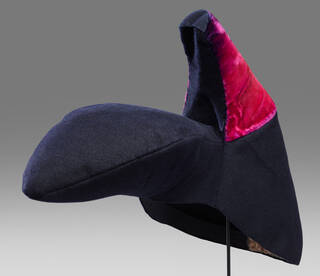
Coco Chanel dismissed her as "that Italian artist who's making clothes".
Blurring the boundaries between fashion and art, Schiaparelli's bold and imaginative garments, accessories, perfume bottles, and jewellery ushered in a daring and eclectic era in style. Her art-inspired designs and collaborations became her most celebrated creations and defined her legacy.
4. Elsa Schiaparelli designed for the stage and screen
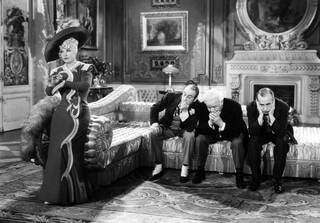
Through the 1930s to 1950s, Schiaparelli designed costumes for British, French, and American stage and film productions, reaching millions worldwide. Actress Mae West wore one of her designs in Every Day's a Holiday (1937). She was also the preferred designer for the personal wardrobes of the era's leading performers, including Marlene Dietrich, who favoured the designer's sharply tailored trouser suits. Her bold and imaginative fashion continued to shape her global reputation and influence.
5. Schiaparelli remains a red carpet favourite for bold tastemakers today
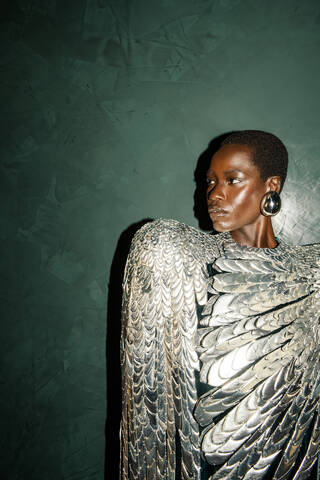
Elsa Schiaparelli’s lasting influence on fashion and her surrealist, witty legacy, is now carried forward by creative director Daniel Roseberry. Worn by stars such as Dua Lipa ( 2024 Golden Globes) and Ariana Grande ( 2025 Oscar performance), Roseberry’s designs feature sculptural silhouettes and nods to American western wear, reflecting a contemporary reinterpretation of the founder’s subversive spirit. This dialogue between past and present weaves a golden thread, ensuring Schiaparelli’s unique story and creative vision continue to inspire and define the House today.