The Meaning of Symbols in Art

Online course

+44 (0)20 7942 2000
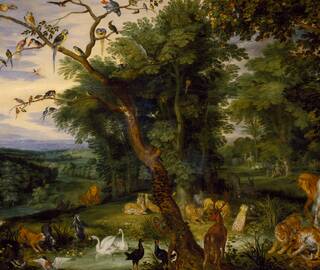
What might a mirror, a dog, a skull, a red lily or a discarded pair of shoes reveal about the meaning of a painting, fresco or sculpture?  Buildings may be covered in symbols, as in the proliferation of bees and doves in the churches and palaces of 17th century Rome.  The rich symbolism in the art, sculpture and architecture of Western Europe developed gradually as Christianity gathered momentum, in the early medieval period, from the straightforward symbols held by saints to the complex symbolism of later centuries, as in the windows of Chartres, the sculpture of Bernini or the paintings of Bosch.

Learn from our world-class experts wherever you are, whenever suits you: watch lectures live or view the recording later in your own time. You can experience the full breadth and depth of the V&A's collections with more than 10 hours of study over 5 weeks. Learn at your own pace: lecture recordings and study materials, lecture notes, copies of the presentations, and additional study materials are available in our secure Microsoft Teams environment for 5 weeks after the course ends, so you'll never miss a thing. And finally, join the conversation: share your perspective with your fellow students, and support each other in your further enquiries outside of class time.

This course is suitable for participants aged 18 and over.
course photo
Portrait of V&A Academy Course Leader Clare Ford Wille

V&A Academy Course Leader
Clare Ford Wille

Clare Ford-Wille is an independent art historian, well known for her courses at the V&A, Birkbeck, ARTscapades and Morley College as well as a lecturer at the Wallace Collection, and for The Arts Society groups in Britain and Europe. She has led many tours abroad. Clare is a Vice-President of the London Art History Society.

I have already booked onto my next V&A course online. I love the fact you can participate from home. The presentation, speakers and subject matter are always fascinating and excellent. Previous V&A Academy Online Course Attendee
Course overview

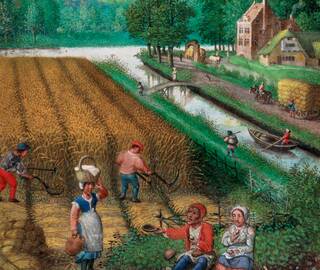
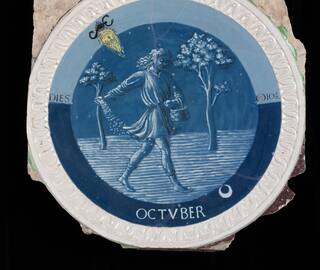
Later in the 15th, 16th and 17th centuries during the renaissance and baroque periods, fascinating new developments took place, sometimes dependant upon political, religious, economic or social factors. Many of the signs and symbols, already established, continued to be used, for example the Labours of the Months and the Signs of the Zodiac. New subjects of still-life, genre and landscape became more important as subjects in their own right, in the 16th century, together with the potency of the ideas of the Protestant Reformation, which led to a greater wealth of a symbolic vocabulary, often for moralising purposes.  
 
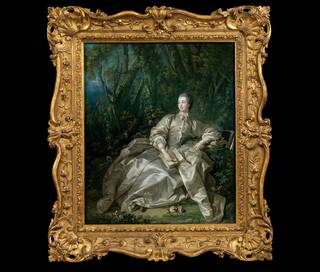
From the 18th century to the present day, symbolism does not diminish but it mutates, although often the usual meanings continue. Particular projects, even in the 20th century, can continue with traditional symbolism in a different guise, as in the work of Stanley Spencer, Paul Nash or the Bloomsbury Group. The course will provide students with a vocabulary of symbols and their interpretation through the centuries which will enrich the knowledge and understanding of, not only the familiar, but also lesser-known works of art, sculpture and architecture.
photo

Membership Priority Booking will open at 10.00 BST on Wednesday 08 October. General Booking will open at 10.00 BST on Tuesday 21st October 2025.

Our courses are built using the latest Microsoft software. Tune in to expert lectures live or catch up on demand. Join discussions and continue your learning with downloadable handouts and presentations. Find out more >> 

Enrol now

Online course: The Meaning of Symbols in Art

22 January 2026 - 19 February 2026

£125.00

Need help enrolling? Talk to the admissions team:

+44 (0)20 7942 2000

Open 10.00 - 13.00, Monday to Sunday (closed 24-26 December)

Related events