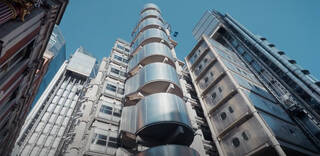
Architecture after World War II rejected ornamentation and classical styles, seeing tradition as the enemy of societal improvement. Modernist movements like Bauhaus and Brutalism focused on the function of a building: simple, clean designs with very little decoration. But what happened when, in the late 1970s, a group of architects grew tired of this ‘less is more’ approach and decided that ‘less is a BORE’?!
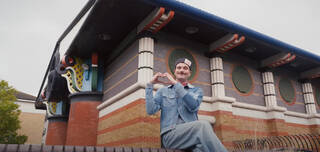
To tell the story, Reece takes us from Marcel Duchamp’s famous urinal – the first conceptual artwork – to a colourful East London sewage station, via glamorous west London homes (stay tuned for tour of Charles Jencks’ legendary home, The Cosmic House), controversial offices, funky government buildings, colourful apartments, caricature skyscrapers, not to mention buildings shaped like cats, binoculars, baskets, Greek columns and more.
Watch more episodes from 'Reece’s Alternative Guide to Architecture'.
Find out more about Postmodernism.