Zines are non-commercial, homemade mini magazines usually created by a single person or small group and circulated in small numbers. Zines have, in some form, been around since the early 20th century, but the medium gained momentum in the 1930s when sci-fi fans began to create zines dedicated to their favourite genre of fiction.
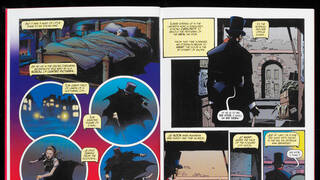
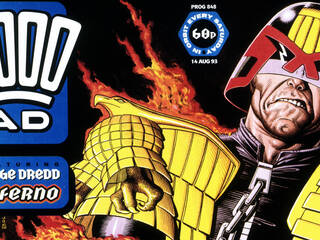
Many of the NAL’s zines are part of a collection created by Andy Roberts, a comics artist and founding member of the riot grrrl band Linus. His collection of around 7,000 items was donated to the museum by his family after his premature death in 2005. The collection's contents are varied with a particular focus on mainstream superhero comics, indie comics, and zines.
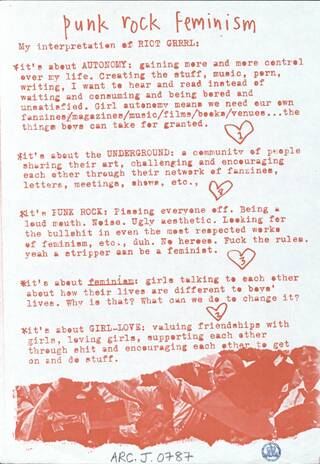
Part of the collection is formed of ‘girlzines,’ zines created by and for girls, with many specifically relating to the riot grrrl subculture. The term riot grrrl originates from a 1991 zine created by the bands Bratmobile and Bikini Kill, taking artist Jen Smith’s concept of a ‘girl riot’ and transforming it into a manifesto. The phrase encapsulates the feminist punk movement and subculture which centred a DIY approach to music, art and activism. Riot grrrls carved out a space for themselves, funding their own zines, gigs and events that made girls and women feel safe and empowered, having routinely faced sexism and harassment in supposedly progressive music spaces.
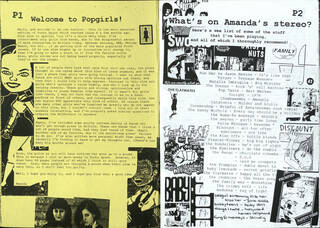
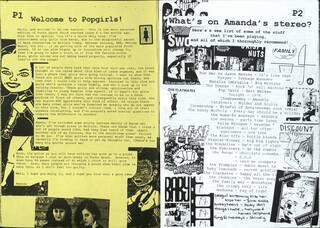
Music was a core theme in riot grrrl zines, with many being produced by bands then sold or swapped at gigs. Zines offered an alternative to mainstream music journalism. The creator of Popgirls fanzine expressed her frustration at the lack of female-centred music reporting from popular magazines such as NME: "If no one else higher up in journalism will change it, then I'm going to make a start on it from the fanzine world". She highlighted the sexism present in Melody Maker, one of the earliest music weeklies, by sharing statistics of female writers, photographed subjects and bands reviewed in a single issue. All of which were predominantly male. She also wrote that even when magazines did feature women, they often focused purely on their appearance. Zines therefore gave women and girls an opportunity to become music reporters and to bring attention to artists that were neglected by mainstream magazines.
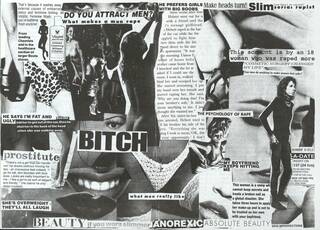
Zines were also a platform for writers and artists to share issues important to them, and were sometimes published as part of an activist network. Topics such as abortion rights, intersectional feminism and LGBTQ+ rights appeared most often. Among the zines in this collection, the topic of body image and sexualisation is particularly prevalent. Girl's Annual featured a collage of female body parts taken from various magazines, alongside cuttings relating to beauty standards and sexual assault. The artist highlighted the role of the media in objectifying women and the resulting normalisation of abuse. Collage and detournement, the act of taking existing images and giving them new meaning by presenting them in a different context, were popular techniques in zines due to the cut and paste nature of their format.
One zine that took a different approach, For Your Own Good, brought awareness to toxic body image and eating disorders by sharing the personal stories of different women aged 18 – 58. In the introduction, the editor described feeling isolated in her experiences and hoped that by sharing these stories, she could help other women and girls feel less alone. This desire to create community is a key aspect of girlzines. They connected women with similar interests, or who were experiencing the same difficulties, and gave them a platform from which to build friendships.
Many zines even included a postal or email address so that readers could join mailing lists and receive invitations to in-person meet-ups. It was also typical for creators to review and promote other zines, creating a network of riot grrrls that supported and valued each other's contributions.
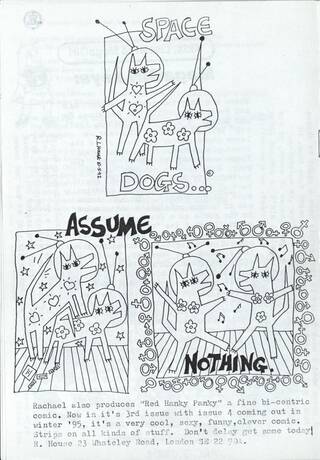
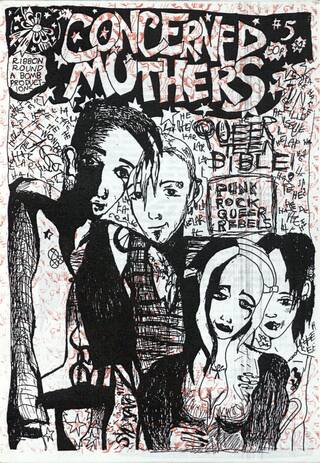
The riot grrrl subculture had a particular focus on feminism, inclusivity and queerness. Many girlzines were specifically aimed at lesbians and featured comics, art and poetry exploring sexuality and experiences of prejudice. These are also known as queerzines, a large category of zines that highlight LGBTQ+ creatives and are often used to communicate between isolated people and to share resources. They became increasingly important during the 1980s and 90s in response to the AIDS pandemic and Section 28, a UK law which prohibited schools and councils from 'promoting' homosexuality. Queerzines built communities and provided a creative outlet away from the prejudice of mainstream media, much like the riot grrrl movement.
While riot grrrl culture was undeniably female-oriented, the focus on inclusivity and equality meant men could get involved too. Gigs were occasionally female-only but men were usually welcomed and asked only to prioritise and respect women in the space. When the band Linus were on the billing for an all-girl gig, zine collector Andy Roberts and bandmate Peter Frost jokingly played behind a sheet! The rest of the community was also gender diverse, including zine creators. One issue of Riot Grrrl Essex ends with a dedication, by a male contributor, to the female zine writers who inspired him and encouraged him to create his own music zine.
The collection reveals a community that refused to be sidelined and who thrived on collaboration. By cultivating their own network of creators, musicians and activists, riot grrrls formed meaningful connections and developed a space to call their own.
All material from the Andy Roberts collection can be viewed at the National Art Library after completing a free registration.